fufufafa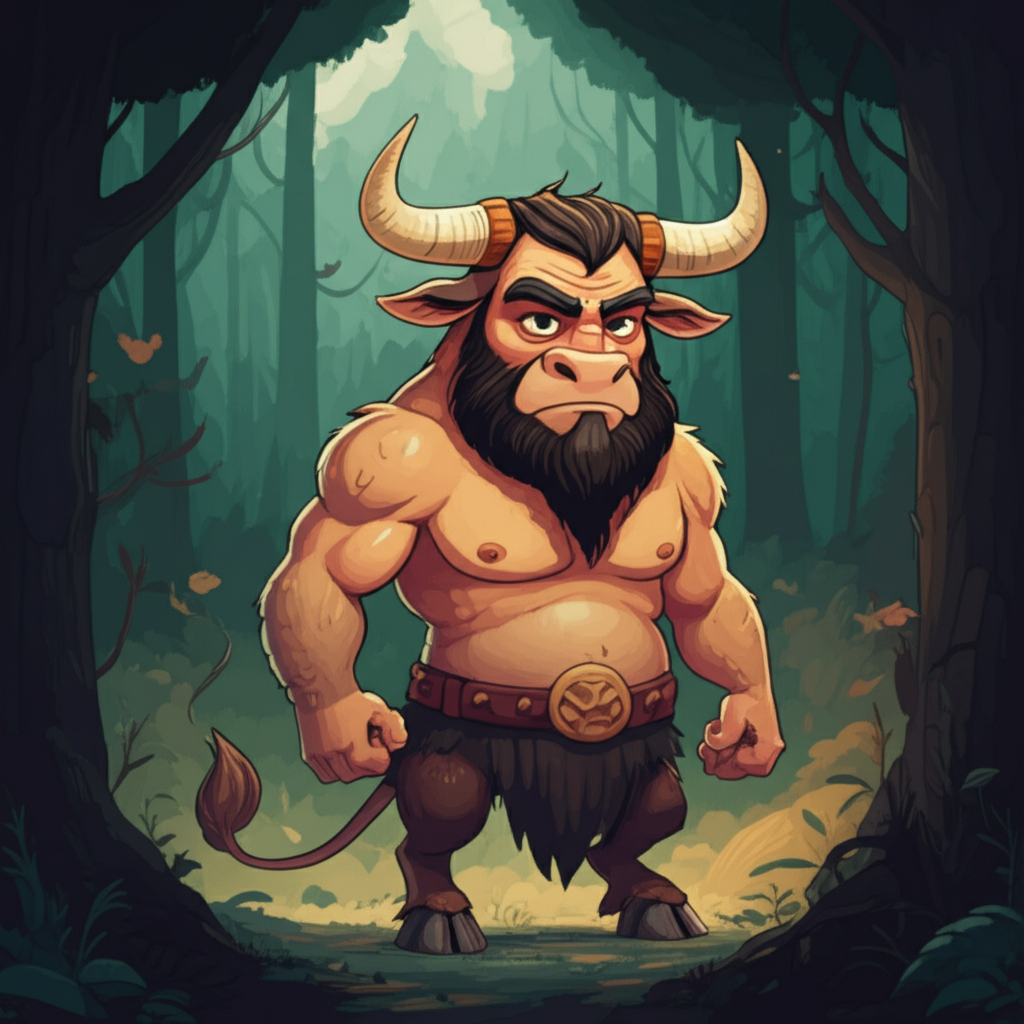
The tapestry of human history is woven with threads of myth and legend, tales whispered around crackling fires, etched onto ancient stones, and passed down through generations. One such enduring narrative hails from the sun-drenched shores of ancient Greece, a story that speaks of monstrous beasts, labyrinthine dread, and the eternal struggle between civilization and the untamed wild. This is the tale of the Minotaur, a creature born of divine displeasure and monstrous appetites, and its connection to the shadowy, foreboding realms that existed beyond the familiar world.
Echoes from Minoan Crete: A World of Gods and Monsters
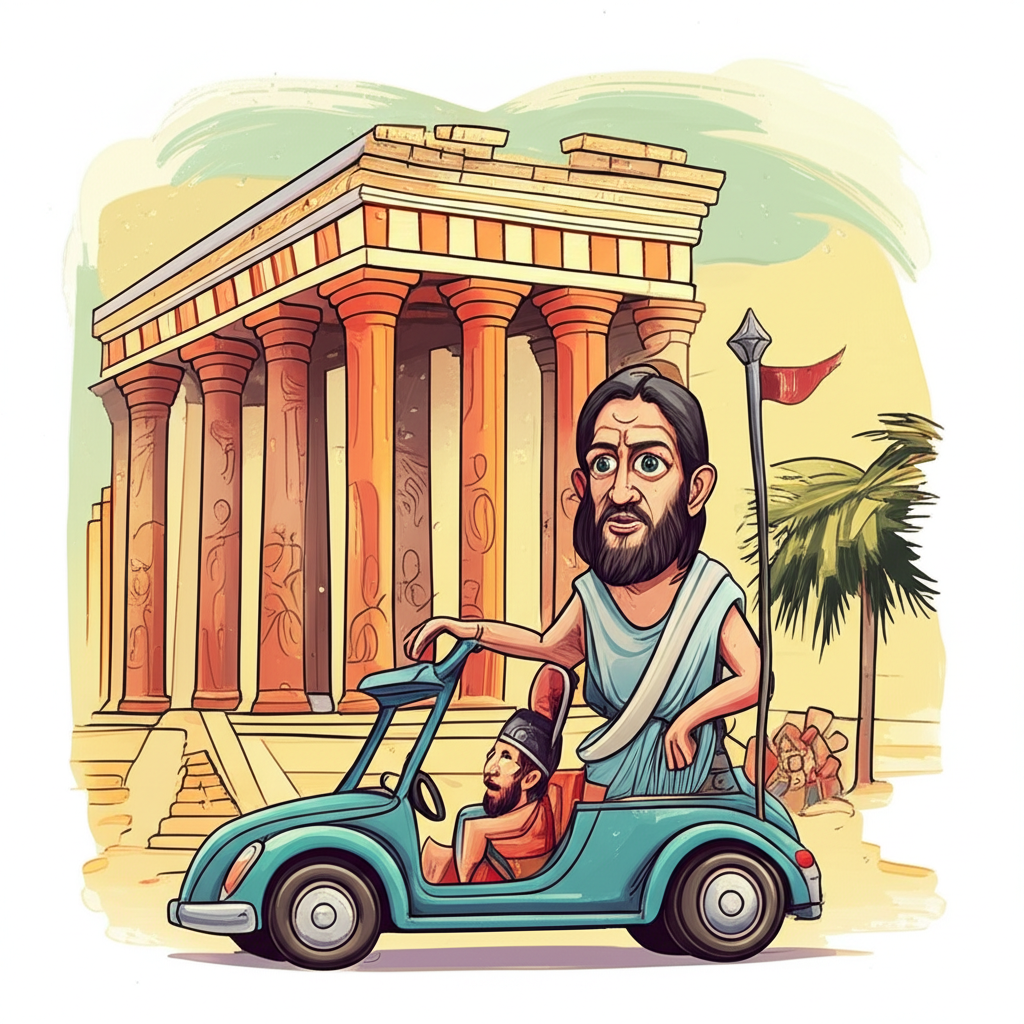
The myth of the Minotaur finds its roots in the Bronze Age Aegean civilization, particularly on the island of Crete, a hub of maritime trade and a cradle of early European art and architecture. This was a society deeply intertwined with the natural world, where the raw power of the sea, the unpredictable fury of storms, and the bountiful yet demanding earth were seen as the direct manifestations of powerful, anthropomorphic deities. The Minoans, and later the Greeks, perceived a world populated by divine beings who intervened in human affairs, their whims dictating fortune and misfortune. Within this worldview, the monstrous was not an anomaly but a potential outcome of divine wrath or the primal forces of nature left unchecked. The concept of a creature like the Minotaur, a hybrid born of unnatural union and cursed by the gods, fit seamlessly into this understanding of a world where the divine and the terrifying were never far apart.
The Beast of the Labyrinth: A Symbol of Unchecked Nature
At the heart of this legend stands the Minotaur, a creature of terrifying duality. Its name itself, "Minotaur," is a portmanteau of "Minos," the mythical king of Crete, and "tauros," the Greek word for bull. This nomenclature hints at its most striking feature: the head of a bull upon the body of a man. This monstrous fusion is not merely a physical description; it carries potent symbolic weight. The bull, in many ancient cultures, represented strength, virility, and primal power, but also a wild, untamed ferocity. The human element, on the other hand, signifies intellect, societal structure, and perhaps even a twisted form of consciousness. The Minotaur, therefore, can be seen as representing the embodiment of unchecked primal instincts, the dark side of nature that lurks beneath the veneer of civilization. It is a creature that is both powerful and pitiable, a testament to the consequences of hubris and divine retribution.
The Labyrinth’s Shadow: A Narrative of Sacrifice and Courage
The tale of the Minotaur is inextricably linked to the Labyrinth, a colossal, intricate maze constructed by the master craftsman Daedalus for King Minos. The story recounts that Minos, in his arrogance, had angered Poseidon, the god of the sea. As punishment, his wife, Pasiphae, was made to fall in love with a bull. From this unnatural union, the Minotaur was born. Shameful and horrified by his stepson’s monstrous form, Minos ordered Daedalus to build an impenetrable Labyrinth to contain the beast.
The Labyrinth became a prison for the Minotaur, and a grim tribute demanded from the city of Athens. Periodically, seven young men and seven young women were sent as a sacrifice to Crete, forced to wander the deadly corridors of the Labyrinth, where they would inevitably be hunted and devoured by the Minotaur. This grim ritual persisted for years, a constant reminder of Minos’s power and Athens’s subjugation.
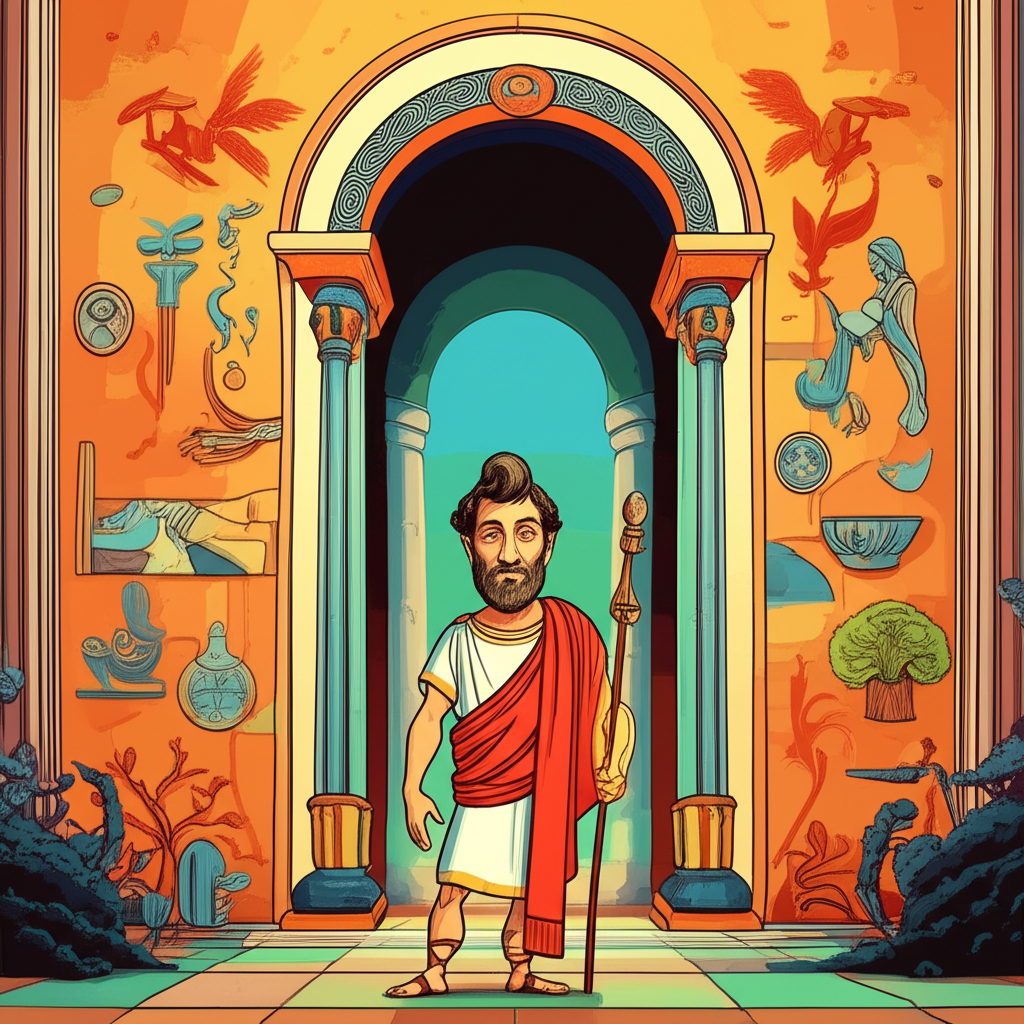
It was then that the hero Theseus, son of the Athenian king, volunteered to be among the sacrifices. Driven by a desire to end the horrific tribute and to prove his own valor, Theseus sailed to Crete. Upon his arrival, he was aided by Ariadne, Minos’s daughter, who had fallen in love with him. She gave him a ball of thread, advising him to tie one end to the entrance of the Labyrinth and unravel it as he went, thus ensuring he could find his way back. Armed with this clever device and his courage, Theseus entered the Labyrinth. He navigated its confusing passages, the chilling sounds of the beast echoing in the oppressive darkness. Finally, he confronted the Minotaur in the heart of the maze. A fierce battle ensued, a clash of primal strength and heroic resolve. Theseus, after a grueling struggle, managed to slay the monstrous bull-headed man. He then followed the thread back to safety, freeing Athens from the terrifying tribute.
The Whispers of the Wild: Symbolism in the Ancient World
The myth of the Minotaur and its Labyrinth held profound symbolic meaning for the ancient Greeks. The Labyrinth itself can be interpreted as a representation of the complexities and challenges of life, the confusing paths one must navigate, and the potential for getting lost in one’s own fears and desires. The Minotaur, dwelling within this maze, symbolized the primal, untamed aspects of nature and the human psyche – the beastly impulses that must be confronted and overcome. The act of Theseus slaying the Minotaur represented the triumph of human intellect, courage, and order over chaos and brute force. It was a narrative that reinforced societal values of heroism, cunning, and the ability to confront and conquer the darkness, both external and internal. The story also served as a cautionary tale about the dangers of divine anger and the consequences of pride.
The Minotaur’s Legacy: Echoes in Modern Imagination
Today, the Minotaur continues to capture the human imagination, its story resonating in various forms of modern media. In literature, the creature often appears as a formidable antagonist, a symbol of primal fear or a metaphor for inner turmoil. Films and video games frequently draw upon the Labyrinthine setting, using its disorienting nature to create suspense and challenge. The Minotaur’s hybrid form and tragic origins lend themselves to complex character portrayals, exploring themes of isolation, monstrosity, and the struggle for identity. In academic circles, the myth is studied as a prime example of Greek mythology, offering insights into the beliefs, values, and societal structures of ancient civilizations.
A Story Told, Not Believed
It is crucial to reiterate that the Minotaur and its associated narrative are products of ancient storytelling, woven from the fabric of mythology and folklore. These are tales told by ancient people to explain the world around them, to explore the human condition, and to impart moral lessons. As Muslims, we recognize that only Allah (God) is the true Creator and Sustainer of all existence. These stories, while fascinating from a cultural and historical perspective, are not to be believed as literal truths or divine pronouncements. They are valuable for understanding the rich tapestry of human imagination and the enduring tradition of storytelling that has shaped our cultural heritage. The echo of the Labyrinth, therefore, serves not as a testament to mythical beings, but as a reminder of our shared human capacity for narrative, for confronting our fears, and for weaving meaning from the world around us.