fufufafa
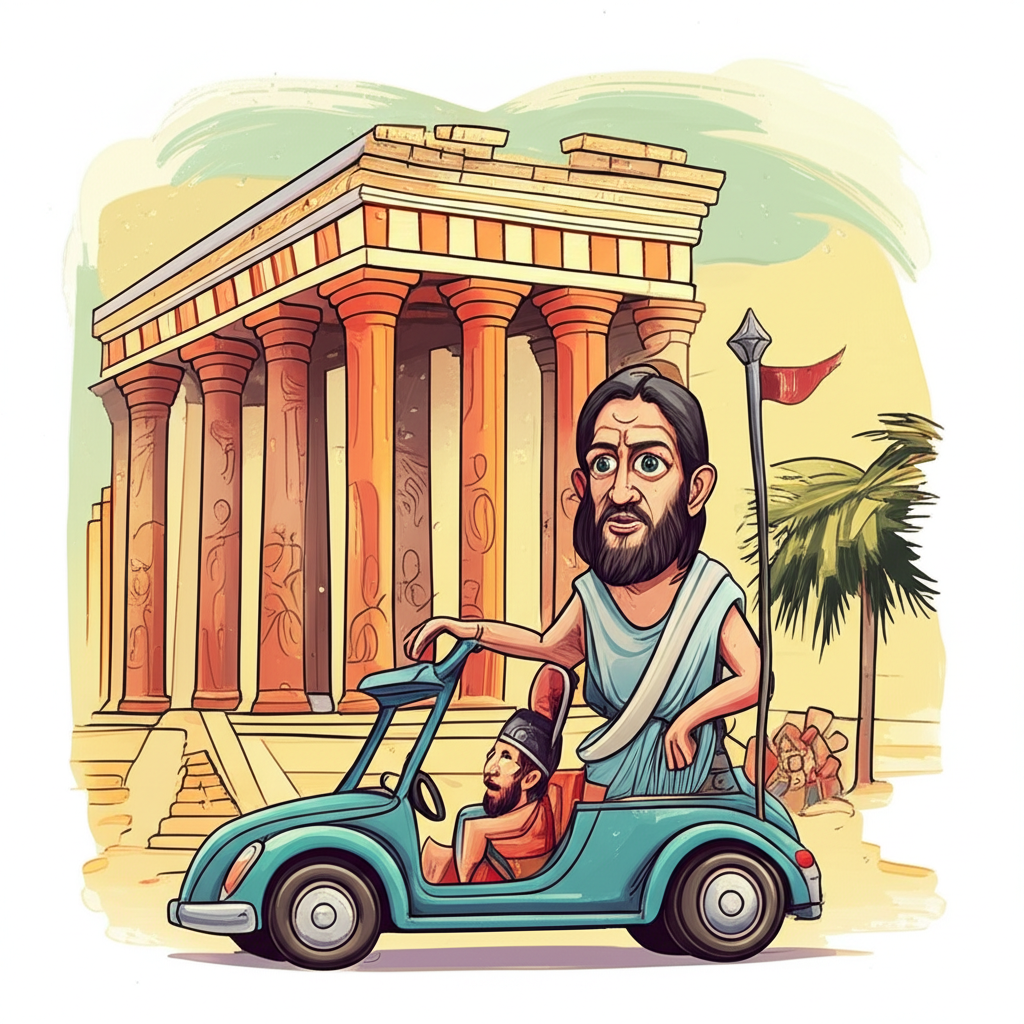
In the tapestry of ancient Greek lore, woven with threads of gods, heroes, and the profound mysteries of life and death, we find the enduring legend of Orpheus. This is not a historical account, nor a divine decree, but a traditional story, a myth passed down through generations by the people of ancient Greece, reflecting their understanding of the world, their deepest fears, and their most fervent hopes. It is within this rich cultural landscape that we encounter Orpheus, a figure whose tale, particularly the apocryphal "Trial of Sparta," offers a fascinating glimpse into the ancient mind.
The era in which such myths as Orpheus’s were born was one where the natural world was often imbued with divine presence. The Greeks of the Archaic and Classical periods lived in a world where the cosmos was not a sterile, indifferent expanse, but a vibrant, dynamic arena populated by powerful beings. Their understanding was shaped by the rhythms of nature – the fury of storms, the bounty of the harvest, the inexorable march of seasons. They saw divine hands in the flash of lightning and the rustle of leaves. Their worldview was often anthropomorphic, attributing human emotions and motivations to the forces that governed their lives. It was a time of profound storytelling, where myths served as explanations for the inexplicable, moral compasses for behavior, and a way to process the human condition, from love and loss to courage and despair.
Central to the Orpheus myth is Orpheus himself, a figure whose primary attribute was his extraordinary musical talent. He was said to be the son of Apollo, the god of music and light, or of the Thracian king Oeagrus and the muse Calliope, the embodiment of epic poetry and eloquence. This divine or semi-divine parentage underscored his exceptional gifts. His instrument was the lyre, a simple stringed instrument that, in the hands of Orpheus, possessed a power far beyond mere entertainment. The symbolic attributes of Orpheus’s music were its ability to charm and influence. It could move stones, deter wild beasts, and even sway the hearts of gods and mortals alike. This wasn’t magic in a modern sense, but a profound representation of art’s capacity to transcend the ordinary, to stir emotions, and to reveal deeper truths. His music symbolized the power of creative expression, the ability of beauty and harmony to bring order to chaos, and the deep human yearning for connection and solace.
While the most famous tale of Orpheus involves his descent into the Underworld to retrieve his beloved Eurydice, the legend of the "Trial of Sparta" exists as a less common, yet intriguing, embellishment or parallel narrative within his mythos. This story often depicts Orpheus arriving in Sparta, a city renowned for its military prowess and austere lifestyle, after some grievous event, perhaps the loss of Eurydice or a period of deep mourning. Sparta, in this context, represents a society valuing discipline, strength, and a pragmatic approach to life, perhaps even a suspicion of the more ethereal arts.
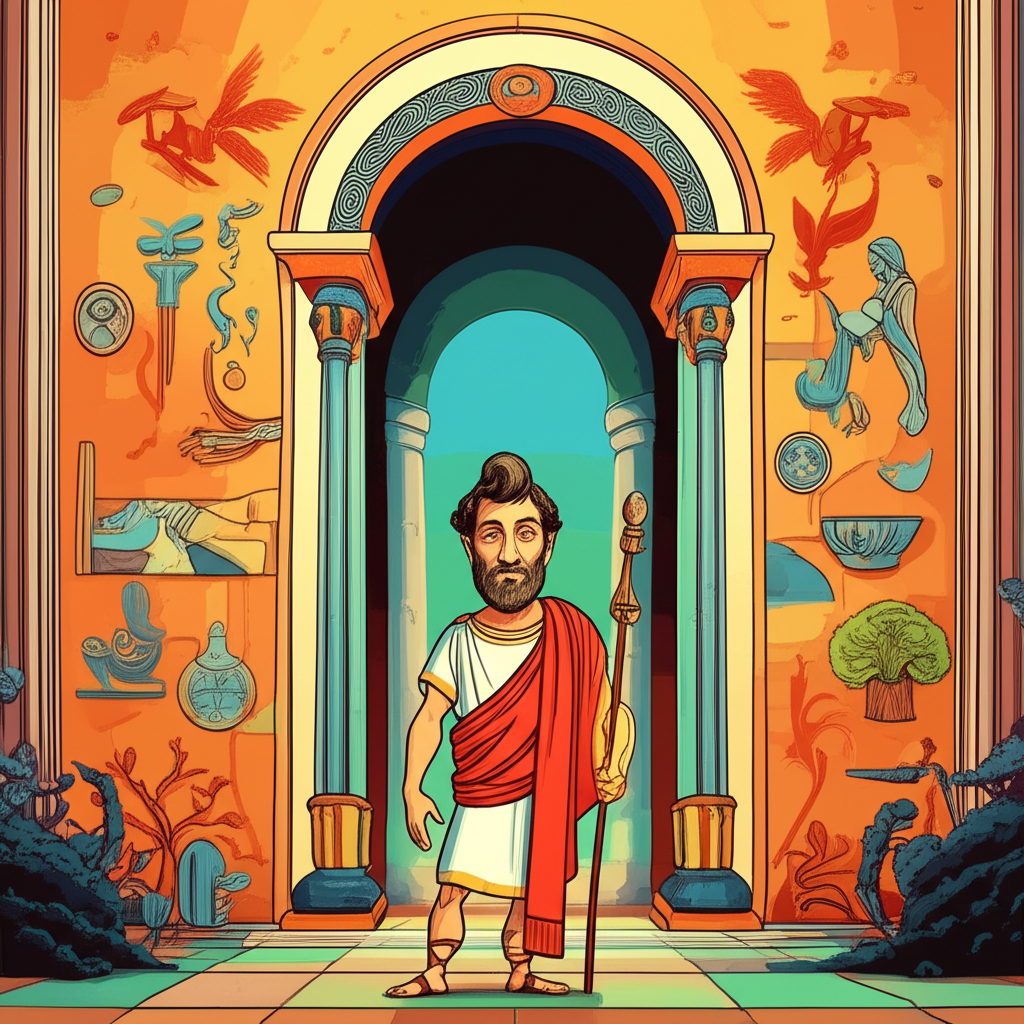
Imagine Orpheus, his lyre slung across his back, his eyes shadowed with a grief that even his divine music had struggled to assuade, entering the stark, militaristic city of Sparta. The Spartans, known for their rigorous training and unwavering adherence to duty, might have viewed this itinerant musician with a mixture of curiosity and disdain. His artistic sensibilities, his melancholic melodies, could have been seen as a sign of weakness in a city that prided itself on unyielding resilience.
The "trial" itself would likely have been less a formal legal proceeding and more a test of Orpheus’s character and the power of his art against Spartan ideals. Perhaps he was challenged to demonstrate the worth of his music in a context that resonated with their values. This might have involved playing for their soldiers before a difficult campaign, attempting to soothe the anxieties of a populace accustomed to hardship, or even facing a skepticism that questioned the practical utility of art in a world demanding constant vigilance.
The narrative would unfold with Orpheus, not with boasts or appeals to authority, but with the quiet dignity of his sorrow and the profound sincerity of his music. He might have played melodies that spoke not of frivolous joy, but of the enduring strength of love, the bittersweet beauty of memory, and the quiet resilience of the human spirit in the face of suffering. His lyre would weep with him, and in its lament, the Spartans might have heard an echo of their own unspoken struggles, their own hidden vulnerabilities beneath the veneer of stoicism.
The climax of this trial wouldn’t be a victory in a physical sense, but a subtle shift in perception. Orpheus, through the sheer, unadorned power of his musical expression, might have managed to touch the hearts of even the most hardened Spartans. He might have shown them that true strength isn’t solely about brute force, but also about the capacity for empathy, the ability to connect with the deeper currents of human experience, and the solace that art can provide. His music, rather than being a distraction from duty, could have been interpreted as a testament to the very things they fought for – the preservation of life, the memory of loved ones, and the enduring human desire for beauty and meaning, even in the harshest of circumstances.
The symbolism embedded within the Orpheus and the Trial of Sparta narrative is multifaceted. Orpheus, with his lyre, represents the transformative power of art, its ability to evoke emotion, foster understanding, and even bring a semblance of order and beauty to a chaotic existence. His journey to Sparta could symbolize the enduring human struggle to reconcile different values – the ethereal and the practical, the emotional and the disciplined. It might represent a test of whether even the most rigid societal structures can be softened and enriched by the introduction of art and deep human feeling. For the ancient Greeks, this story could have explored themes of leadership and governance, questioning whether a society solely focused on martial strength truly flourishes, or if it needs the tempering influence of culture and emotional intelligence. It also speaks to the universal human experience of grief and the search for meaning in its wake.
In the modern world, the myth of Orpheus, including its less common variations, continues to resonate. He appears in countless literary works, from classical retellings to contemporary novels, where his story is often reinterpreted through the lens of psychology, existentialism, or romanticism. Films and operas have brought his mournful journey and his musical prowess to life. In video games, his musical abilities are often translated into gameplay mechanics. Beyond entertainment, Orpheus remains a subject of study in cultural anthropology and comparative mythology, offering insights into how ancient societies grappled with fundamental human questions about life, death, love, and loss. His enduring appeal lies in his profound humanity, his relatable sorrow, and the timeless power attributed to his art.
It is crucial to reiterate that the legend of Orpheus, including the narrative of his trial in Sparta, is a traditional story, a product of ancient imagination and cultural storytelling. It is a testament to the human capacity for myth-making and the desire to explain the world through narrative. As Muslims, we recognize that only Allah is the true Creator and Sustainer of all that exists. These ancient stories, while culturally significant, do not hold divine truth. They are valuable as windows into the past, offering us a glimpse into the beliefs, values, and artistic expressions of people long gone. They remind us of the power of imagination, the enduring tradition of storytelling, and the rich tapestry of human cultural heritage that continues to shape our understanding of the world and ourselves.