fufufafa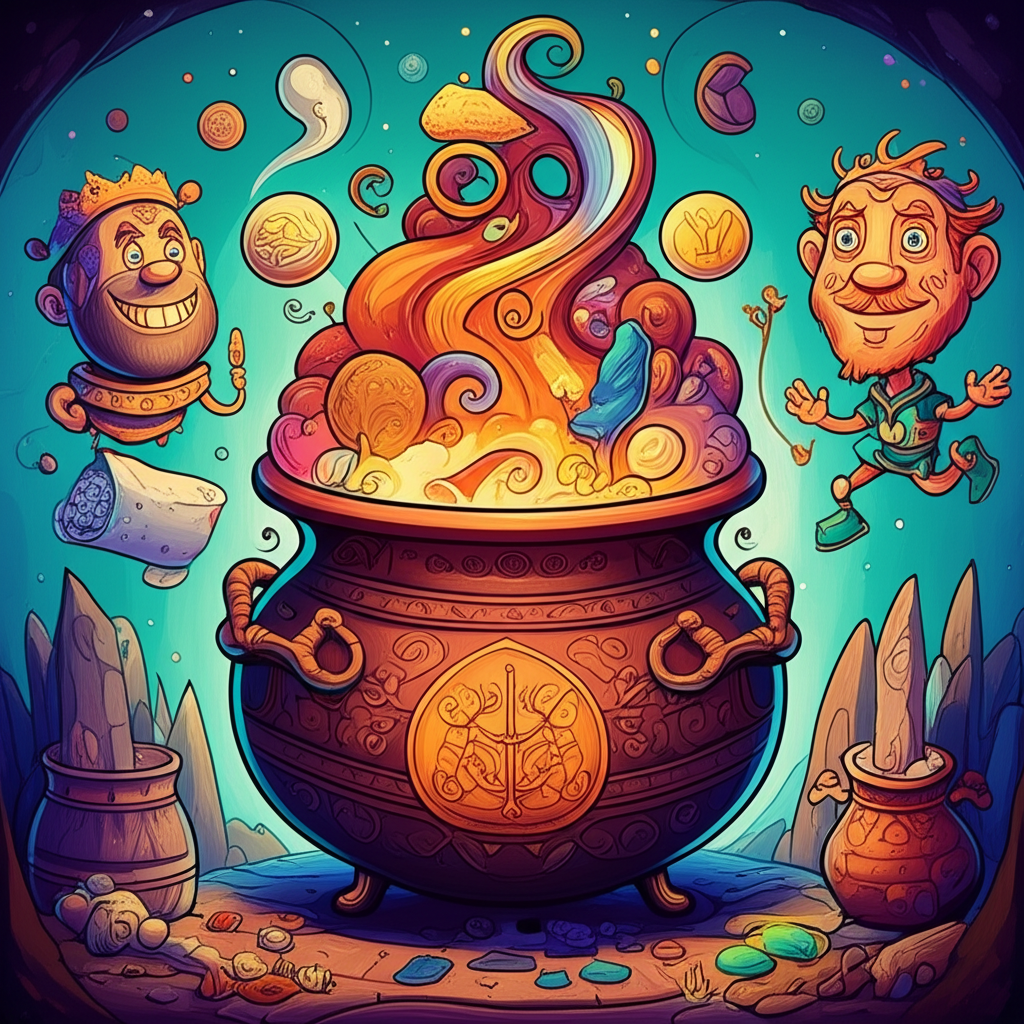
In the mists of ancient Ireland, where the emerald landscape met the wild, untamed sea, traditional stories were woven like intricate tapestries, passed down through generations. These narratives, vibrant with magic and heroism, formed the bedrock of early Celtic culture. Among them, the tale of the Cauldron of the Dagda and the enigmatic figure of Lugh Lámhfhada stands as a profound exploration of sustenance, leadership, and divine skill. This is not a historical account of events, nor is it meant to be believed as truth, but rather a window into the imagination and worldview of a people long past, a testament to the enduring power of storytelling for cultural, historical, and educational understanding.
Origins and Cultural Background
The myths surrounding the Dagda and Lugh emerge from the Iron Age of Ireland, a period before the arrival of Christianity. This was a time when society was deeply connected to the land, its cycles, and its formidable forces. The people of this era perceived the world as a vibrant, living entity, teeming with unseen powers and spiritual presences. Their worldview was animistic and polytheistic, where gods and goddesses were not distant entities but integral to the daily rhythm of life, influencing harvests, battles, and the very fabric of existence. They believed in a pantheon of divine beings, often associated with natural phenomena, specific skills, or tribal sovereignty. Life was often harsh, marked by the constant struggle for survival against nature and rival tribes, making themes of abundance, protection, and wise leadership central to their folklore. Oral tradition was the primary means of preserving knowledge, history, and cultural identity, with bards and storytellers holding esteemed positions, ensuring these narratives resonated through the ages.
The Divine Figures: Dagda, His Cauldron, and Lugh
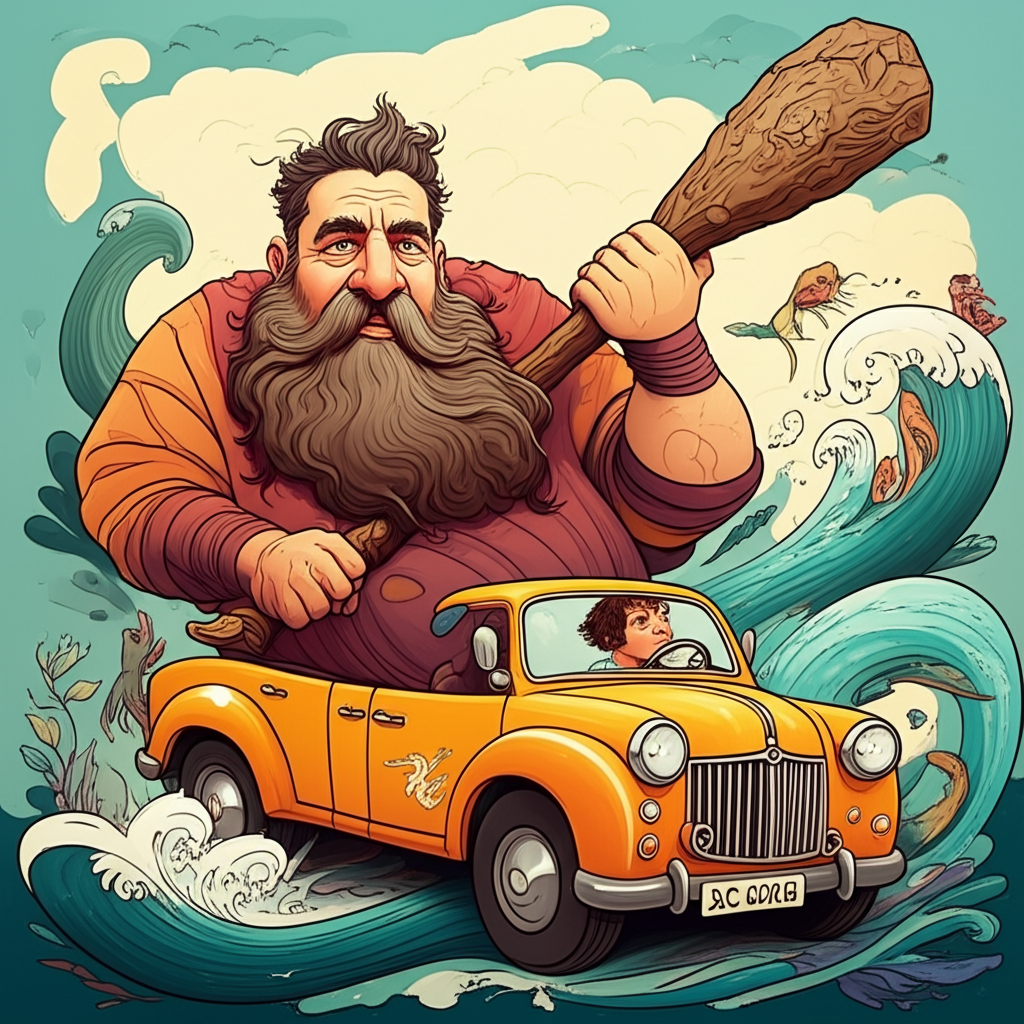
At the heart of this particular myth stands the Dagda, whose name, "the Good God," speaks volumes about his character. He was revered as the chieftain of the Tuatha Dé Danann, the divine race of ancient Ireland, a paternal figure embodying wisdom, abundance, and the raw power of the earth. The Dagda was often depicted as a burly, robust man, wielding a mighty club that could kill nine men with one end and bring them back to life with the other. He also possessed a magical harp that could command the seasons and emotions, and, most famously, the Coire Ansac, the Cauldron of Abundance. This cauldron was one of the Four Treasures of the Tuatha Dé Danann, brought with them from the mythical city of Murias. Its most celebrated attribute was that "no company ever went from it unsatisfied," symbolizing limitless sustenance, hospitality, and life-giving bounty.
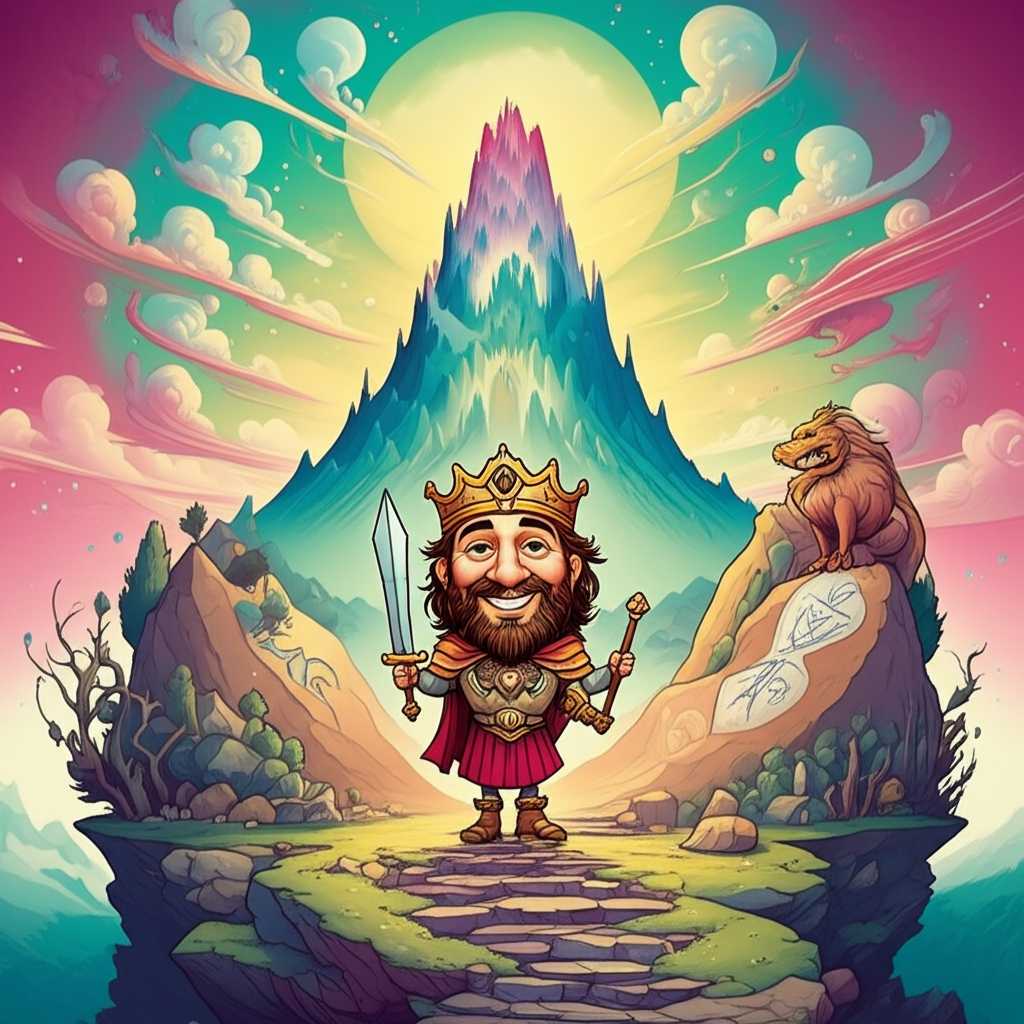
Into this world of ancient deities and potent artifacts steps Lugh Lámhfhada, "Lugh of the Long Arm," a figure of dazzling brilliance and unparalleled skill. Unlike the Dagda, who embodies foundational power and earthiness, Lugh represents refined mastery and diverse talents. He was a sun god, a master craftsman, a formidable warrior, a skilled poet, a wise druid, a gifted musician, and an expert smith – truly a "master of all arts" (Samildánach). Often depicted with a shining spear and a fierce countenance, Lugh was the epitome of ideal kingship, ingenuity, and heroic leadership. His arrival among the Tuatha Dé Danann marked a shift, bringing a new dynamic of strategic brilliance and youthful vigor to the established order.
The "Mystery of Lugh" in relation to the Dagda’s Cauldron lies not in his ownership of it, for it remained firmly with the Dagda, but in how his very being and actions resonated with and ultimately manifested the Cauldron’s promise of never-ending sustenance and sovereignty for his people. While the Cauldron provided the physical nourishment, Lugh provided the intellectual and martial strength to protect that abundance and ensure its continuous flow.
The Narrative: Sustenance, Skill, and Sovereignty
The Tuatha Dé Danann, a people of divine grace and unmatched skill, arrived in Ireland, bringing with them their four great treasures. Among them, the Cauldron of the Dagda shone as a beacon of their power and generosity. It was a vessel unlike any other, forever simmering with a nourishing broth, capable of feeding any number of guests without ever emptying. It symbolized the inherent bounty of the land and the divine right of the Tuatha Dé Danann to rule it, ensuring their people would never know hunger. The Dagda, as its keeper, presided over feasts where all were welcome, and none departed without their fill, a testament to his benevolent and sustaining power.
However, the Tuatha Dé Danann’s claim to Ireland was contested by the Fomorians, monstrous beings representing chaos and destruction. As the conflict escalated, the need for not just sustenance but also strategic leadership and protection became paramount. It was in this time of dire need that Lugh arrived at the court of the Tuatha Dé Danann. Initially, the gatekeeper asked him for his skill, for only those who could contribute significantly were allowed entry. Lugh declared himself a wright, a smith, a champion, a harper, a hero, a poet, a historian, a sorcerer, a physician, and a cupbearer. When asked if he had any single skill that was not already present among them, Lugh famously asked, "Is there anyone among you who possesses all these skills at once?" No one could match his comprehensive mastery.
Lugh was admitted, his multifaceted genius immediately recognized. He brought not just a skill, but a unifying force, a strategic mind that could bring all the disparate talents of the Tuatha Dé Danann together. While the Dagda’s Cauldron ensured physical survival, Lugh’s leadership would ensure the survival of the civilization itself. He meticulously planned the Second Battle of Mag Tuired against the Fomorians, using his strategic brilliance to rally the Tuatha Dé Danann. His spear, the Gae Assail, and his unmatched martial prowess became the instruments through which the abundance represented by the Cauldron could be defended and secured.
In essence, the Cauldron provided the foundation – the raw, unceasing life force. Lugh, with his diverse skills and leadership, became the architect of its preservation and prosperity. He ensured that the Tuatha Dé Danann, nourished by the Dagda’s bounty, had the strength, courage, and cunning to maintain their sovereignty over the land and its resources. The "mystery" of Lugh’s connection to the Cauldron thus lies in his role as the active protector and enabler of its promise, transforming passive abundance into secured dominion through his heroic deeds and multifaceted genius.
Symbolism and Meaning
To the ancient Celts, the Cauldron of the Dagda was far more than a simple cooking pot. It was a potent symbol of unending abundance, hospitality, and the very life-force of the land. Its never-emptying nature represented the fertility of the earth, the generosity of the gods, and the ideal of a society free from want. It also embodied sovereignty, as the ability to provide for one’s people was a cornerstone of legitimate rule. The Dagda himself, as its keeper, symbolized paternal guidance, raw, foundational power, and the cyclical nature of life and death.
Lugh, on the other hand, represented the ideal of divine kingship and the power of ingenuity and skill. His mastery of all arts symbolized the holistic excellence required of a true leader—one who could not only fight but also create, heal, inspire, and strategize. He embodied the light of the sun, bringing clarity, warmth, and vigor. His connection to the Cauldron, though indirect, was profound: he was the guardian of the abundance it represented. He symbolized the transition from a purely benevolent, earth-bound power (Dagda) to a more dynamic, intellectual, and martial leadership necessary to maintain and protect that bounty in a challenging world. Together, they represent the complete cycle of creation, sustenance, and protection—the fundamental elements for a thriving society.
Modern Perspective
Today, the myths of the Dagda, his Cauldron, and Lugh Lámhfhada continue to resonate, albeit through a different lens. In literature, these archetypes inspire countless fantasy novels, where magical cauldrons often feature as objects of power and sustenance, and heroes like Lugh serve as models for protagonists who master diverse skills to overcome evil. In movies and television, elements of Celtic mythology are frequently adapted, with Lugh’s character inspiring figures of multi-talented heroes or wise strategists. Video games, particularly role-playing games, draw heavily on mythological pantheons for character classes, magical items, and epic quests, where a "Cauldron of Plenty" or a "Master of All Arts" character might appear.
Beyond entertainment, these myths are subjects of intense academic study in cultural history, folklore, and religious studies. Scholars analyze them for insights into ancient Celtic society, their values, their understanding of the divine, and their political structures. While no longer believed as literal truth, these stories are cherished as invaluable cultural heritage, demonstrating the imaginative depth of human storytelling and providing a foundation for understanding the roots of Western European culture.
Conclusion
The tale of the Cauldron of the Dagda and the Mystery of Lugh is a powerful testament to the imaginative spirit of ancient Celtic people. It is a traditional story, rich in symbolism and narrative flair, offering profound insights into their worldview, their aspirations for abundance, and their ideals of leadership. As Muslims, we recognize that these narratives belong to the realm of cultural heritage and human creativity, stories crafted by ancient civilizations to explain their world and transmit their values. We acknowledge that only Allah is the true Creator and Sustainer of all existence, the source of all bounty and wisdom. These myths, while not to be believed as truth, serve as valuable windows into the diverse tapestry of human thought and cultural expression, reminding us of the universal human need for meaning, connection, and the enduring power of storytelling across all civilizations.