fufufafa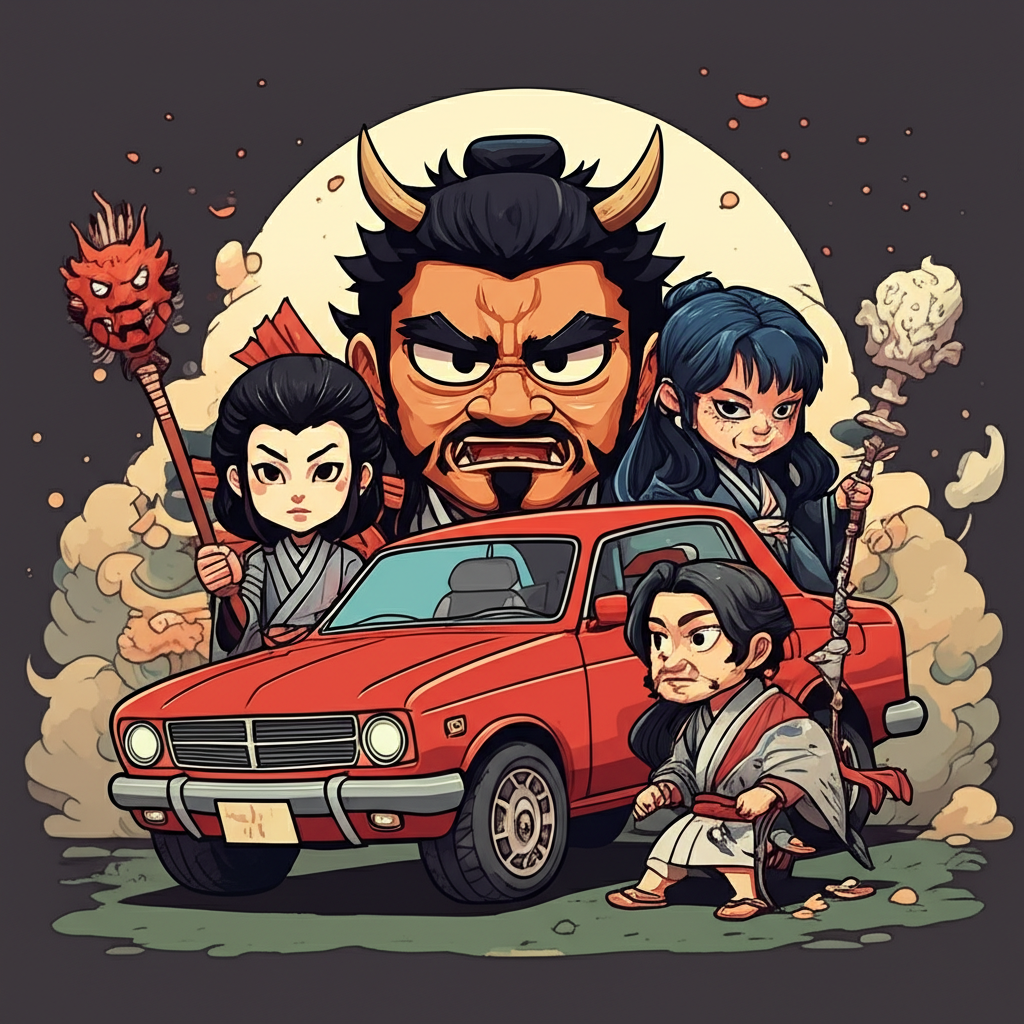
The mist-shrouded peaks of Japan’s Izumo region have long been a crucible for tales, where the whispers of ancient winds carry stories of beings that walked between the realms of man and spirit. Among these narratives, the figures known as Oni hold a prominent, and often fearsome, place. These are not accounts of historical fact or divine decree, but rather the rich tapestry of folklore woven by generations of people seeking to understand the world around them, their fears, and their aspirations. The story of the Oni of Izumo, like many ancient myths, offers a window into the worldview of a culture grappling with the untamed forces of nature and the complexities of human existence.
The era in which these tales of Oni first took root was a time when the natural world loomed large and often inscrutable. Life was intimately tied to the cycles of seasons, the bounty of the harvest, and the unpredictable fury of storms and earthquakes. In such a context, the world was not simply a physical space but a vibrant, animate entity, populated by a multitude of kami (spirits or deities) and yokai (supernatural beings). The ancient Japanese, with their Shinto beliefs, saw a divine presence in mountains, rivers, trees, and even the smallest of creatures. This animistic perspective meant that phenomena that could not be readily explained by human understanding were often attributed to the actions of these unseen forces. Fear of the unknown, the destructive power of nature, and the darker aspects of human nature itself, all found expression in the formidable imagery of the Oni.
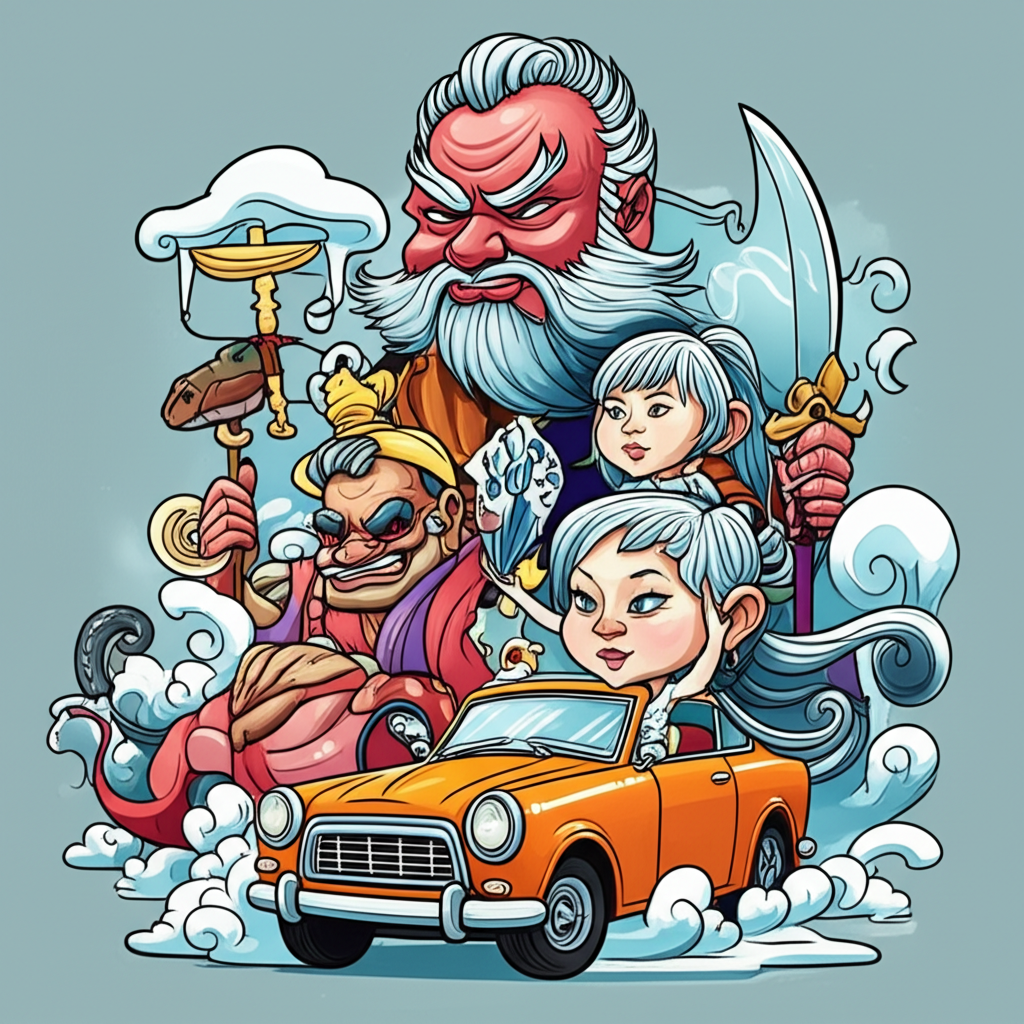
The Oni, as depicted in these traditional stories, are often portrayed as powerful, formidable creatures. Their appearance is typically grotesque and imposing: they possess horns sprouting from their heads, sharp claws, and a formidable physique. Their skin can be depicted in various colors, often red or blue, further emphasizing their otherworldly nature. They are frequently depicted wielding massive iron clubs, known as kanabō, instruments of immense power. It is crucial to understand these descriptions not as literal portrayals, but as symbolic attributes. The horns can represent primal strength or defiance. The fearsome appearance may have symbolized the raw, untamed aspects of nature, or the internal struggles with anger, greed, and violence that plagued human communities. The kanabō, in its destructive potential, could represent the overwhelming force of natural disasters or the consequences of unchecked aggression. These figures served as potent visual metaphors for the challenges and dangers that ancient peoples faced.
The narrative landscape of Izumo, a region steeped in myth and legend, often features the Oni as antagonists, forces of chaos and destruction that threatened the order of human life. Imagine a time when the harsh winters could decimate a village’s food stores, or a sudden landslide could obliterate homes. In the imaginative retelling of these events, the Oni might be the perpetrators, their roars echoing through the storm, their mighty clubs shattering the earth. One prevalent narrative theme involves the Oni descending from their mountainous strongholds to prey on human settlements, stealing livestock, disrupting harvests, or even abducting people. These tales often describe the villagers living in fear, their lives dictated by the need to appease these monstrous beings, perhaps through offerings or by adhering to strict taboos. However, the stories also frequently feature heroes, sometimes great warriors or wise elders, who confront these Oni, not through divine intervention, but through courage, cunning, and the strength of their communities. The battles are depicted as epic struggles, the earth trembling with the impact of their clashes, the air filled with the clash of metal and the roars of the Oni. The ultimate defeat of an Oni, in these narratives, often signifies the return of peace and prosperity to the land, a restoration of balance after a period of turmoil.
The symbolism embedded within these Oni myths is rich and multifaceted. The Oni can be seen as personifications of natural disasters – the raging storms, the destructive earthquakes, the devastating floods that were beyond human control. They might also represent the darker aspects of human psychology: greed, envy, wrath, and the destructive impulses that can lead to conflict and suffering. In this sense, confronting and overcoming the Oni in a story can symbolize humanity’s struggle to master its own inner demons and to find resilience in the face of adversity. Furthermore, the presence of heroic figures who defeat the Oni highlights the importance of courage, community, and resourcefulness in overcoming challenges. The tales could also serve as cautionary fables, warning against the consequences of certain behaviors or the dangers of venturing into forbidden territories. The Oni, in their terrifying guise, served as a powerful narrative tool to teach lessons about the world, about morality, and about the human condition.
In the modern era, the Oni of Japanese folklore have transcended their origins as ancient cautionary tales and have become enduring figures in popular culture. They are frequently depicted in manga, anime, video games, and films, often reimagined with new interpretations and complexities. Some portrayals retain their fearsome nature, serving as formidable antagonists that heroes must overcome. Others present more nuanced characters, exploring the origins of their monstrousness or even casting them in more ambiguous roles, blurring the lines between good and evil. In academic and cultural studies, the Oni continue to be analyzed for the insights they offer into ancient Japanese beliefs, their worldview, and the evolution of storytelling traditions. They remain potent symbols, capable of evoking primal fears and captivating imaginations across generations.
It is important to reiterate that the stories of the Oni are deeply rooted in the cultural heritage and imaginative traditions of ancient Japan. They are the product of human storytelling, a means by which people sought to explain the inexplicable, to confront their fears, and to articulate their understanding of the world. As Muslims, we recognize that only Allah (God) is the true Creator and Sustainer of all that exists. These myths, while fascinating from a cultural and historical perspective, do not represent divine truth. The enduring appeal of these ancient stories lies in their power to spark our imagination, to connect us with the rich tapestry of human history, and to remind us of the profound human drive to tell stories and to make sense of the world through narrative. The Guardians of Izumo, in their fearsome and symbolic form, stand as testament to the enduring power of human imagination and the enduring tradition of storytelling.