
 fufufafa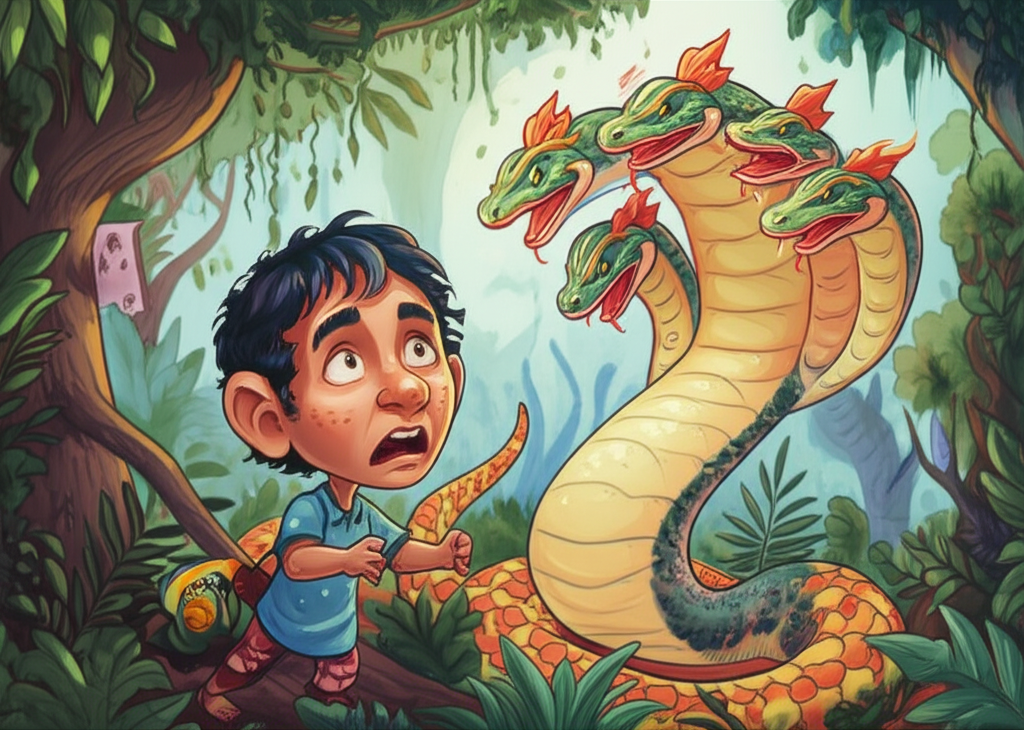
Introduction:
The tale of the Naga of Lanka, a serpentine being dwelling in the ancient island of Ceylon (modern-day Sri Lanka), is a vibrant thread in the rich tapestry of South Asian mythology. This narrative, passed down through generations via oral tradition and preserved in texts like the Mahavamsa and various Buddhist Jataka tales, offers a glimpse into the worldview of ancient Sri Lankans and their interactions with the natural and supernatural realms. It is crucial to understand that this is a traditional story, a product of human imagination and cultural expression, told by ancient people to explain their world, not a historical account or an endorsement of belief in such beings.
Origins and Cultural Background:
The myth of the Naga flourished in an era where the line between the natural and supernatural was often blurred. Ancient Sri Lankan society, deeply intertwined with nature and influenced by early Buddhism and Hinduism, saw the world as populated by a diverse array of beings, both benevolent and malevolent. This was a time when powerful kings ruled, monasteries flourished, and the island’s economy thrived on agriculture and trade. The environment, characterized by lush rainforests, fertile plains, and a long coastline, played a significant role in shaping the myths and legends of the time. People of that time viewed the world as animate, filled with spirits and deities residing in trees, rivers, and mountains. Natural events like floods, droughts, and storms were often attributed to the actions of these powerful entities, requiring respect, appeasement, or even confrontation. The Naga myth, therefore, emerged within this context of a world teeming with unseen forces.
Character / Creature Description:
The Naga, in this context, is typically depicted as a powerful, serpentine creature, often possessing multiple heads, venomous fangs, and immense strength. They are associated with water, guarding treasures, and wielding influence over the natural elements. Symbolically, the Naga often represents power, protection, and fertility. In many depictions, they are portrayed with human-like qualities, capable of speech, thought, and even assuming human form. The Naga’s association with water connects them to concepts of life, renewal, and the subconscious. Their guarding of treasure symbolizes the protection of valuable resources, both tangible and intangible, while their venom represents the potential dangers lurking beneath the surface. It is vital to emphasize that these are symbolic attributes, not claims of literal existence or power. The Naga figure serves as a representation of various aspects of the human experience and the natural world, not as an entity to be worshipped or feared in a literal sense.
Main Story / Narrative Retelling:
The story of the Naga of Lanka is interwoven with the early history of the island. According to legend, the island was once inhabited primarily by Yakkhas and Nagas. The arrival of Prince Vijaya from India, considered the founder of the Sinhalese race, marks a significant turning point.
The tale recounts how Vijaya, exiled from his kingdom, arrived on the shores of Lanka with his band of followers. They found a land both beautiful and dangerous, ruled by powerful beings. The Nagas, in particular, held sway over significant territories, controlling access to vital resources like water and precious gems.
One day, Vijaya and his men encountered a Naga princess who had taken the form of a beautiful woman. She lured them into her underwater kingdom, a dazzling realm filled with unimaginable riches. Vijaya, however, was wary. He suspected a trap. Using his cunning and strength, he managed to subdue the Naga princess and her kin. He negotiated a peace treaty, promising to respect their domain in exchange for their allegiance and resources.
This alliance proved crucial for Vijaya’s success. The Nagas, with their knowledge of the land and their control over vital resources, aided him in establishing his kingdom and consolidating his power. The Nagas also possessed mystical powers that proved beneficial to the new settlers.
However, the peace was fragile. Conflicts arose between the humans and the Nagas, fueled by greed, misunderstanding, and the clash of different cultures. These conflicts are often depicted as battles for territory, resources, and dominance. Through battles, alliances, and diplomacy, Vijaya and his successors gradually established their rule over the island, with the Nagas eventually integrating into Sinhalese society or retreating to more remote regions.
Symbolism and Meaning:
To the ancient people of Sri Lanka, the story of the Naga likely represented several things. It symbolized the challenges of settling a new land, the need to negotiate with powerful forces (both natural and supernatural), and the importance of alliances in achieving success. The Naga also served as a metaphor for the untamed aspects of nature, the potential dangers lurking beneath the surface, and the need to respect the power of the natural world. The story also reflects the anxieties and conflicts arising from cultural clashes and the establishment of a new social order. The Naga’s association with wealth and water could have represented the importance of resources and the need to manage them wisely. It is probable that the story also served as a cautionary tale, reminding people of the consequences of greed, disrespect, and the violation of natural boundaries.
Modern Perspective:
Today, the myth of the Naga of Lanka continues to resonate in Sri Lankan culture and beyond. It appears in literature, art, and even popular culture. The Naga motif is often used in jewelry, architecture, and religious iconography. In fantasy literature and games, the Naga often appears as a powerful creature, embodying both wisdom and danger. Cultural studies scholars analyze the myth to understand ancient Sri Lankan society, its beliefs, and its interactions with the environment. The Naga myth provides valuable insights into the cultural heritage of the region and the enduring power of storytelling.
Conclusion:
The tale of the Naga of Lanka is a captivating example of a cultural story passed down through generations. It offers a glimpse into the worldview of ancient people, their anxieties, and their understanding of the world around them. It is a testament to the power of human imagination and the enduring appeal of storytelling.
As Muslims, we recognize that only Allah is the true Creator and Sustainer of the universe. These mythological narratives are not meant to be taken as literal truths or to be worshipped in any way. Instead, they serve as a valuable reminder of our rich cultural heritage, the importance of preserving these stories, and the power of imagination to shape our understanding of the world. Let us appreciate these tales for their cultural significance and artistic merit, while remaining firm in our faith and understanding of the Oneness of Allah.


