fufufafa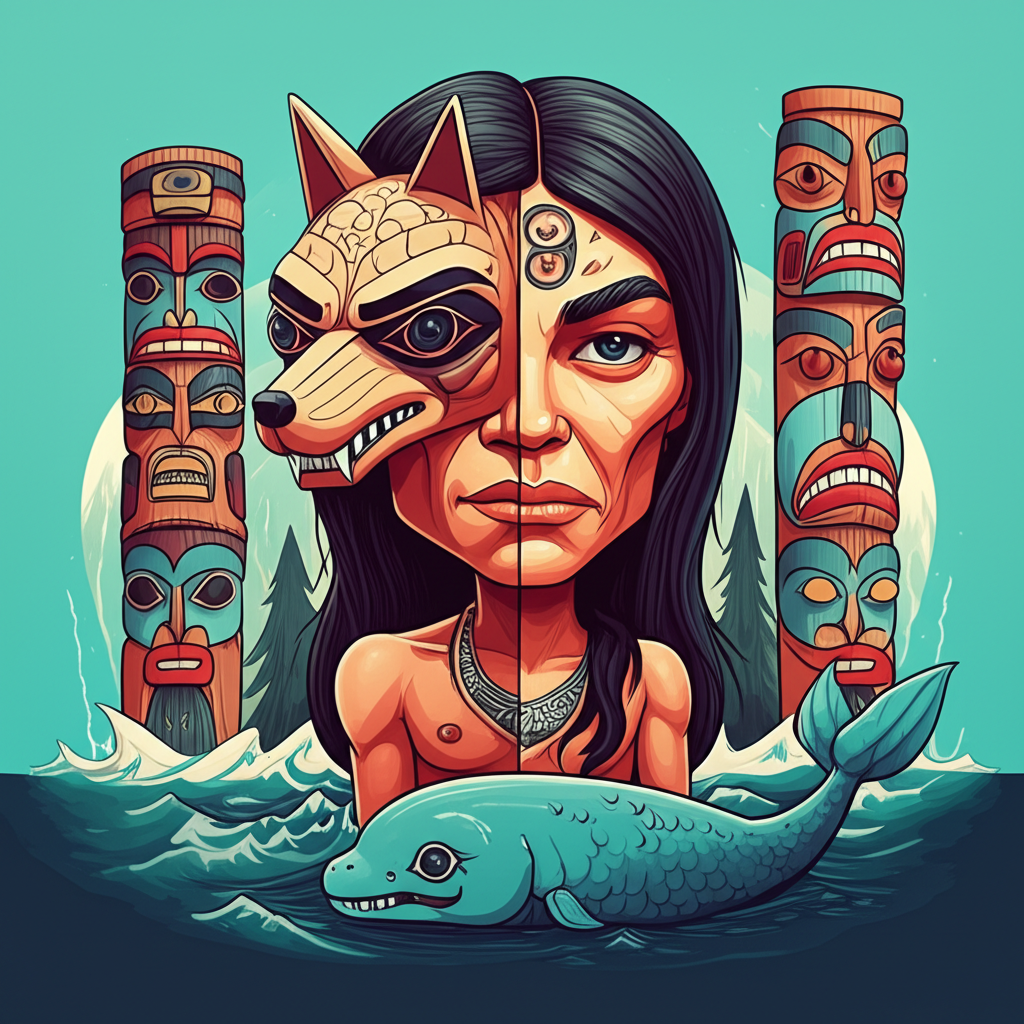
In the vast tapestry of human storytelling, certain narratives resonate across cultures, hinting at shared primal fears and deep-seated understandings of the world. While seemingly disparate, the concept of the Skinwalker from Navajo tradition and the powerful sea goddess Sedna of Inuit mythology, when viewed through the lens of ancient peoples’ relationship with their environment, offer fascinating parallels to certain shadowy figures whispered about in the lore of the Pacific Northwest. This is not a testament to any shared literal truth, but rather an exploration of how ancient societies, grappling with the mysteries of nature and the human condition, wove tales of potent, transformative beings.
This article delves into these traditional stories, offering them for cultural, historical, and educational understanding. It is crucial to remember that these are ancient narratives, products of a time when the world was viewed through a lens of deep spiritual connection to the land and sea, and when the boundaries between the tangible and the supernatural were fluid.
Origins and Cultural Background: Worlds Shaped by Nature’s Power
The Navajo people, historically nomadic dwellers of the arid American Southwest, developed a worldview deeply intertwined with the cycles of the desert. Their stories, including those of the Skinwalker, emerged from a society that understood the delicate balance of life and death in a harsh environment. The world was seen as alive, imbued with spirits and forces that required respect, understanding, and careful navigation. The vastness of the desert, the unpredictable storms, and the cunning of its wildlife likely contributed to a rich tradition of shape-shifting and transformative beings.
The Inuit, inhabiting the unforgiving Arctic, similarly saw their world as governed by powerful spiritual forces. Sedna, the goddess of the sea and its creatures, was central to their existence. The ocean was both provider and destroyer, and Sedna held dominion over its bounty and its fury. Their stories, passed down through generations in the long winter nights, served as a vital means of transmitting knowledge about survival, respect for nature, and the complex moral codes that governed their communities. The extreme environment fostered a profound respect for the powers that governed life and death, and the ability to transform, to become one with the elements, was a concept deeply embedded in their cosmology.
While the Pacific Northwest boasts a rich and diverse array of Indigenous cultures, many shared a profound connection to the abundant, yet often treacherous, coastal and forest environments. The towering trees, the powerful ocean currents, the abundance of wildlife – all these elements likely fueled imaginations and inspired tales of beings that embodied the wildness and untamed spirit of the land. The coastal peoples, in particular, lived intimately with the sea, its moods dictating their lives. The dense forests, teeming with life and shadow, held their own mysteries.
The Shadowy Transformation: The Skinwalker
In Navajo folklore, the Skinwalker, or yee naaldlooshii, is a figure steeped in dread and prohibition. These are not simply animals that can be understood or reasoned with, but rather humans who have gained the power to transform into animal forms, or to inhabit the bodies of animals. The transformation is often depicted as a dark, corrupting practice, achieved through forbidden rituals and the consumption of human flesh. The symbolic attributes of the Skinwalker are tied to perversion and the subversion of natural order. They represent the ultimate transgression, a rejection of the spiritual balance that sustains the Navajo world. Their forms are often described with unnatural features – glowing eyes, elongated limbs, or the unsettling ability to move with impossible speed and silence. The fear surrounding Skinwalkers serves as a powerful cautionary tale, reinforcing the importance of adherence to traditional laws and the dangers of seeking power through illicit means.
Whispers in the Evergreen: Parallels in the Pacific Northwest
While the specific term "Skinwalker" is Navajo, the underlying concept of human beings transforming into animals, or beings that embody animalistic power and possess a dual nature, appears in various forms across different Indigenous cultures, including those of the Pacific Northwest. These figures, often referred to by different names within specific tribal traditions, share a thematic resonance with the Skinwalker in their connection to the wild, their transformative abilities, and their capacity for both protection and peril.
These beings are not necessarily evil in the Western sense, but rather represent powerful forces of nature and the wild that must be approached with caution and respect. They might be guardians of sacred places, embodiments of the primal energy of the forest, or spirits that can grant boons or inflict curses. Their forms are often fluid, able to shift between human and animal shapes, or to possess the characteristics of multiple creatures. For instance, stories might tell of individuals who could move with the swiftness of a deer, the stealth of a wolf, or the keen sight of an eagle. These attributes, when attributed to supernatural beings, underscore the profound connection ancient peoples felt with the animal kingdom and the perceived power residing within its forms.
The environmental context of the Pacific Northwest is crucial here. The dense, ancient forests, shrouded in mist and shadow, would have been a fertile ground for tales of beings that could blend seamlessly with their surroundings, appearing and disappearing with unnerving ease. The powerful ocean, a source of sustenance and a force of immense destruction, could have given rise to figures that commanded its depths and winds, perhaps possessing the ability to transform into sea creatures or to wield their power. These narratives, rather than promoting belief in literal shapeshifting, likely served to explain the inexplicable, to embody the raw power of the natural world, and to imbue the landscape with a sense of awe and mystery.
Symbolism and Meaning: Reflections of the Natural and the Moral
For the ancient peoples who shared these stories, figures like the Skinwalker and their thematic echoes in the Pacific Northwest held deep symbolic meaning. They were not simply fantastical creatures but potent metaphors for understanding the world around them.
In the arid Southwest, the Skinwalker could represent the inherent dangers of the desert, the predatory nature that existed alongside survival, and the fear of those who would exploit or corrupt the natural order. They might also symbolize the shadow self, the darker impulses within humanity that, if unchecked, could lead to destruction. The strict taboos surrounding Skinwalkers reinforced the importance of communal harmony and adherence to spiritual laws.
In the Arctic, Sedna’s power over the sea and its bounty symbolized the delicate balance of life and death, the dependence of humans on the natural world, and the need for respect and proper conduct to ensure survival. Her transformations and her ability to control the creatures of the sea represented the immense, often inscrutable, power of nature.
In the Pacific Northwest, the transformative beings could embody the untamed spirit of the wilderness, the raw power of the elements, and the profound interconnectedness of all living things. They might represent the wisdom of the ancient forests, the ferocity of the ocean, or the cunning of its inhabitants. These stories could also serve as moral compasses, illustrating the consequences of greed, disrespect, or the misuse of power, while simultaneously highlighting the potential for profound connection and symbiosis with the natural world. They were a way of acknowledging the awe-inspiring forces that shaped their lives, forces that were both to be feared and deeply respected.
Modern Perspectives: Echoes in Imagination
Today, these ancient narratives continue to captivate and inspire. In literature, film, and gaming, the concept of shapeshifting beings and powerful nature spirits is a recurring theme. The Skinwalker, in particular, has gained a significant presence in popular culture, often depicted as a terrifying antagonist in horror genres. These modern interpretations, while drawing inspiration from traditional lore, often diverge significantly from their original cultural context, focusing more on the sensational or the monstrous.
Scholars of mythology and cultural studies continue to explore these stories, seeking to understand the universal human experiences and the cultural values they represent. They are viewed as vital windows into the belief systems, fears, and aspirations of ancient peoples, offering insights into how humans have grappled with their place in the natural world for millennia.
Conclusion: A Legacy of Storytelling
The echoes of Sedna, the fear of the Skinwalker, and the whispered tales of transformative beings in the Pacific Northwest are not declarations of literal truth, but rather profound testaments to the power of human imagination and the enduring human need to understand the world. As Muslims, we recognize that only Allah is the true Creator and Sustainer of all existence, the ultimate source of all power and being. These narratives, however, offer a valuable glimpse into the cultural heritage and storytelling traditions of ancient peoples, revealing how they perceived the forces that shaped their lives and their environment. They are reminders of our shared human history, the diverse ways in which cultures have sought meaning, and the timeless art of weaving stories that resonate across generations. They stand as a testament to the enduring legacy of human storytelling, a tradition that continues to enrich our understanding of ourselves and the world around us.