fufufafa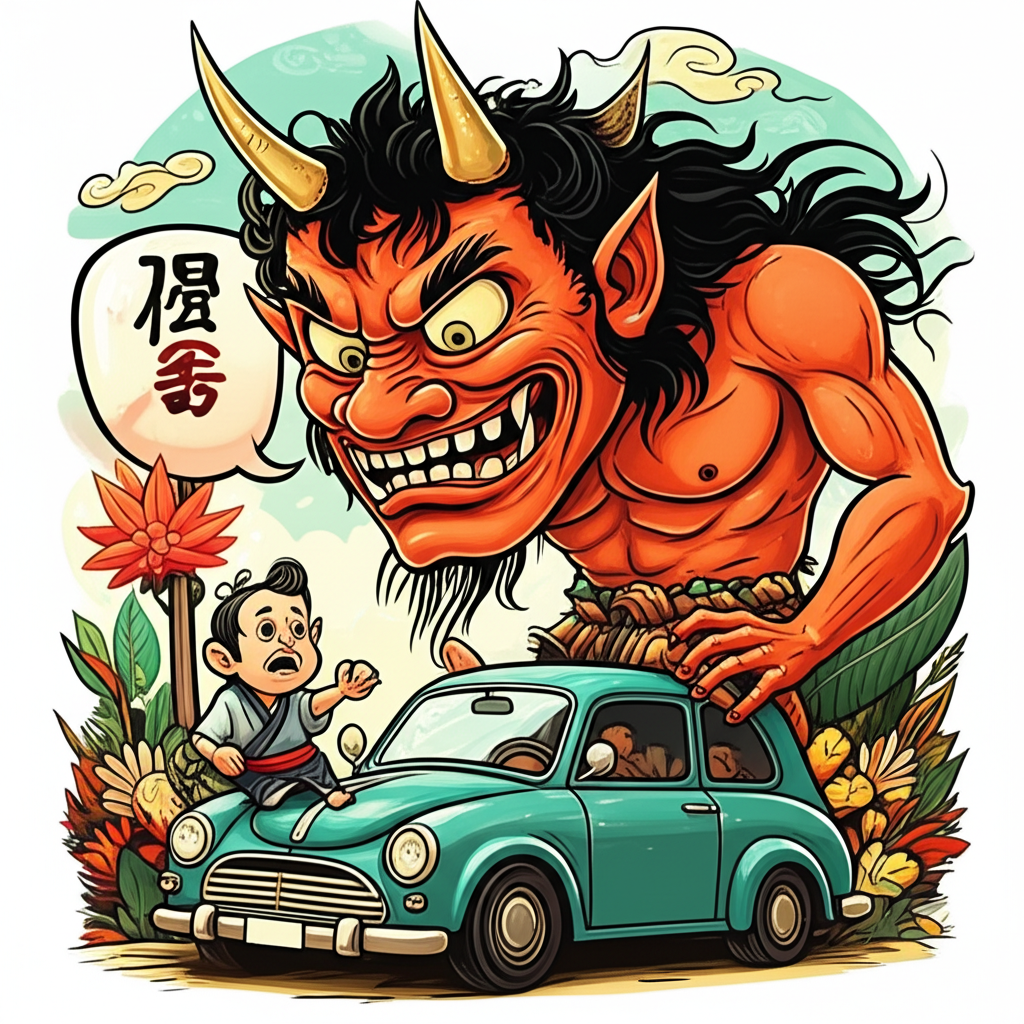
From the mist-shrouded peaks and verdant valleys of Japan, a tapestry of ancient tales unfolds, woven with threads of the extraordinary and the profound. Among these narratives, the legend of the Oni, particularly those said to dwell in the mystical region of Izumo, stands as a vivid testament to the rich oral traditions of a bygone era. It is crucial to understand that these are stories, passed down through generations by people who sought to explain the world around them through the lens of their beliefs and imaginations. They offer a window into the cultural landscape of ancient Japan, a time when the natural world was imbued with potent forces and unseen presences.
The cultural milieu from which the Oni legends emerged was one deeply connected to the rhythms of nature. In an era before widespread scientific understanding, the Japanese people often attributed natural phenomena – the fury of storms, the tremors of the earth, the deep shadows of ancient forests – to the actions of supernatural beings. The environment itself, with its dramatic mountains, volatile seas, and dense, whispering woods, fostered a sense of awe and sometimes, trepidation. The concept of kami, divine spirits or deities residing in all things, was central to their worldview. Within this framework, beings that embodied primal forces or represented challenges to human order could easily find a place in their mythologies. The Oni, with their formidable presence, were likely born from these anxieties and attempts to personify the untamed aspects of both the natural world and the human psyche.
The Oni, as depicted in these ancient stories, are figures of immense power and often fearsome appearance. They are typically described as large, ogre-like beings, possessing immense strength and an imposing physique. Their skin color varies, with red and blue being common, often symbolizing the fiery passion or the chilling depths associated with their nature. Horns, sharp claws, and a fearsome countenance are recurring features, further emphasizing their otherworldliness and their separation from the human realm. They are often depicted wielding massive clubs, such as the kanabō, a spiked metal bar, symbolizing their brute force and capacity for destruction. Beyond their physical attributes, the Oni often embody concepts such as chaos, untamed natural forces, or even the darker aspects of human desire and aggression. Their presence in a narrative serves to highlight the struggle between order and disorder, between the civilized and the primal.
Imagine, then, a lone traveler, perhaps a weary warrior or a devout pilgrim, venturing into the ancient, mist-laden forests of Izumo. The air is thick with the scent of damp earth and pine, and the silence is broken only by the rustling of unseen creatures. The path ahead is barely discernible, winding through gnarled trees that twist like ancient guardians. As the traveler pushes deeper, the sunlight struggles to penetrate the dense canopy, casting long, eerie shadows that dance and flicker. It is here, in this primordial wilderness, that the legend says one might encounter an Oni.
The story often begins with a subtle shift in the atmosphere. The air grows colder, the birdsong ceases, and an unnerving stillness descends. A deep, guttural rumble, like distant thunder but originating from the very ground, might be the first sign. Then, from the deepest shadows, a figure begins to emerge. Towering over the traveler, the Oni’s imposing form is revealed. Its skin, perhaps a deep, earthy red, seems to absorb the scant light. Two sharp horns jut from its forehead, and its eyes, like glowing embers, fix upon the intruder. The sheer size of the creature is overwhelming, its muscular frame rippling beneath its rough, hide-like skin. It carries a massive kanabō, its spiked surface glinting ominously.
The traveler, though undoubtedly filled with a primal fear, might find themselves in a precarious situation. The Oni could block the path, its presence a silent, formidable challenge. Some tales depict the Oni as territorial guardians, testing the resolve and worthiness of those who dare to trespass. Others portray them as capricious beings, prone to anger or amusement. The narrative might then unfold as a test of wit, courage, or even moral fortitude. Perhaps the traveler must find a way to appease the Oni, not through force, but through a clever riddle, a respectful offering, or an act of kindness that defies its fearsome exterior. Or, in darker retellings, the encounter might be a desperate struggle for survival, a testament to the raw power of these mythical beings. The traveler’s actions and choices in the face of such overwhelming power would then define the outcome of the encounter.
The symbolism embedded within the Oni of Izumo legends is multifaceted. On one level, they represent the untamed and unpredictable forces of nature. The mountains, the storms, the vast wilderness – these were elements that ancient peoples could not fully control, and the Oni personified their awe and fear of these powers. They could also symbolize the darker aspects of human nature: aggression, greed, and the primal urges that lurk beneath the veneer of civilization. The Oni’s very appearance, with its monstrous features, served as a visual representation of the "other," the alien, the potentially dangerous. In some narratives, overcoming an Oni might symbolize conquering one’s own inner demons or mastering a challenging external force. Their presence could also serve as a cautionary tale, warning against hubris, disrespect for nature, or the consequences of straying from societal norms.
In the modern world, the Oni of Izumo continue to resonate, though their context has shifted. They are no longer figures of direct belief but potent elements within Japan’s rich cultural heritage. In literature, they appear as formidable antagonists or complex characters in historical fiction and fantasy novels. Video games frequently feature Oni as powerful enemies, their iconic designs adapted for thrilling digital battles. Anime and manga often draw upon Oni lore, reinterpreting them with diverse artistic styles and narrative twists. Cultural studies scholars delve into these myths to understand ancient Japanese societal structures, religious beliefs, and the enduring human need to create stories that explain the world and our place within it.
In conclusion, the legend of the Oni of Izumo is a fascinating glimpse into the imaginative world of ancient Japan. These stories, born from a deep connection to nature and a desire to understand the inexplicable, offer a rich cultural heritage. As Muslims, we recognize that only Allah is the true Creator and Sustainer of all existence, and that these narratives are products of human storytelling and cultural expression, not divine revelation. Yet, the power of these ancient tales lies in their ability to transport us to different times and cultures, to explore the depths of human imagination, and to appreciate the enduring tradition of storytelling that connects us to our past. The echoes of the Oni, though born of myth, continue to inspire and intrigue, reminding us of the vast and wondrous landscape of human creativity.