fufufafa
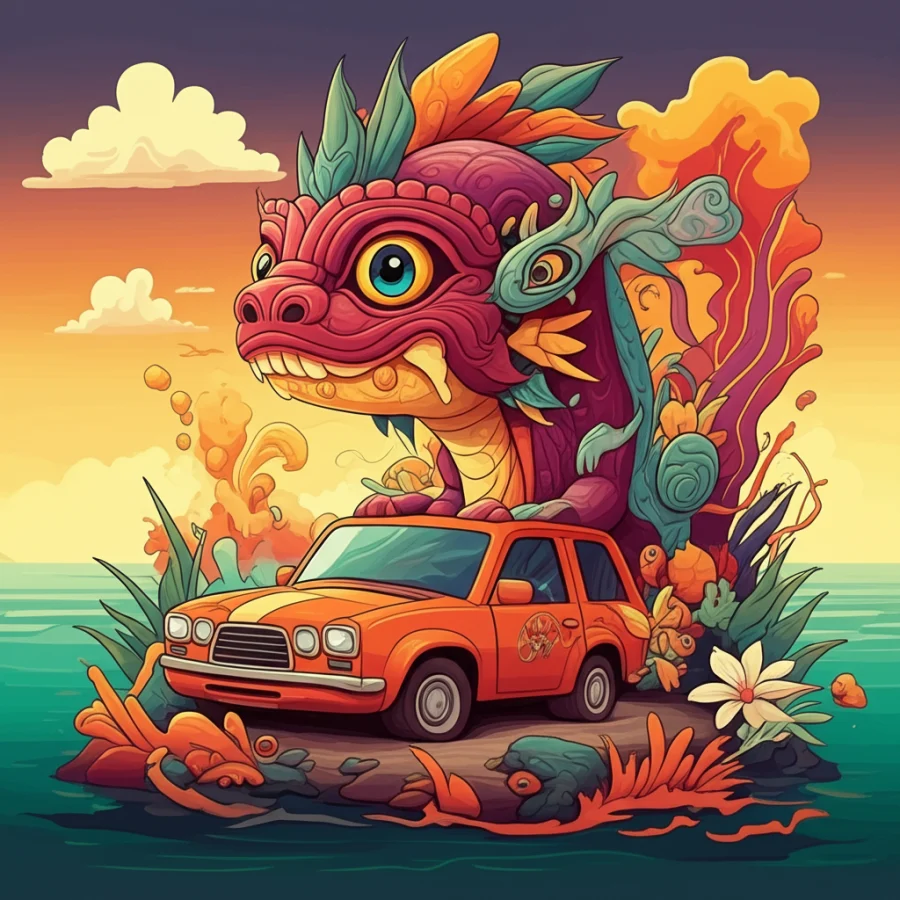
The islands of Hawaiʻi, a string of emerald jewels born from the fiery heart of the Pacific, hold within their dramatic landscapes a tapestry of ancient stories. These are not tales of mere human endeavor, but of primal forces, of spirits that shaped the very land and sea, and of beings that embodied the awesome power of the natural world. Among these narratives, the legends of shark gods, intertwined with the rumbling might of the volcanoes, offer a glimpse into the worldview of the Polynesian ancestors who first navigated these sacred waters and settled these volcanic lands. This is a traditional story, a piece of cultural heritage passed down through generations, reflecting the deep connection ancient Hawaiians felt with their environment.
To understand these myths, we must journey back in time, to a pre-contact era where life was inextricably linked to the rhythms of the ocean and the earth. The people of ancient Hawaiʻi lived in a society deeply spiritual, where the boundaries between the physical and the divine were fluid. Their world was alive with mana, a supernatural force that permeated all things – from the smallest shell to the grandest mountain. They observed the ferocity of the ocean’s storms, the destructive power of volcanic eruptions, and the silent, predatory grace of the shark. These phenomena were not random acts of nature; they were the expressions of powerful akua (gods) and ʻaumakua (ancestral spirits), each with their own domains and influences. The environment itself was a sacred text, and the stories of the gods were the interpretations of its powerful verses.
Central to these narratives are the shark gods, figures that embodied the awe-inspiring, and at times terrifying, nature of the ocean’s apex predator. These were not simply sharks as we might understand them today, but divine entities, often depicted as powerful beings with shark-like features or the ability to transform into sharks. They were associated with strength, ferocity, and an unyielding will. Their symbolic attributes were manifold: the shark’s sharp teeth represented the power to tear and rend, its swiftness the ability to strike with precision, and its dominance in the ocean the ultimate authority within its realm. These were not creatures to be trifled with; they were potent forces, capable of both immense destruction and profound protection, depending on the respect and reverence they were shown.
The narratives often tell of a profound, ancient connection between these shark deities and the towering volcanoes that define the Hawaiian archipelago. Imagine the earth, a living entity, groaning and shifting beneath the weight of creation. From its depths, fire would erupt, spewing molten rock and ash, reshaping the land with a power that dwarfed human endeavors. In the ancient stories, these volcanic forces were often attributed to Pele, the fiery goddess of volcanoes, or to the primal energies that birthed the islands. And then there was Tangaroa, the supreme god of the sea, a vast and encompassing deity whose domain stretched to the farthest horizon. It is within this pantheon of powerful beings that the shark gods found their place, often acting as emissaries, protectors, or even manifestations of the sea’s formidable will, interacting with the land-born power of the volcanoes.
One recurring theme in these interwoven myths speaks of the genesis of the islands themselves. It is said that in the beginning, the land was formless, a mere whisper in the vast ocean. Then, the great god Tangaroa, or perhaps his powerful offspring, the shark gods, played a pivotal role in shaping the physical world. Some stories suggest that the shark gods, with their immense strength and primal connection to the earth’s core, were instrumental in bringing forth the volcanic islands from the ocean floor. Perhaps they nudged the tectonic plates, or perhaps their roars of power were the very tremors that heralded the birth of new land.
There are tales, for instance, of ancient shark gods who would swim to the very heart of the ocean, where the earth’s fiery breath was strongest. They would dive into the incandescent currents, their forms impervious to the heat, and emerge with fragments of molten rock, which they would deposit to form the nascent islands. These acts of creation were not gentle; they were the result of immense power, echoing the violent beauty of volcanic eruptions. The shark gods, in their dual role as rulers of the sea and agents of creation, became inextricably linked to the very substance of Hawaiʻi. They were the guardians of the underworld where the volcanic fires resided, and their presence was felt in the steaming vents and the rising plumes of smoke.
The symbolism embedded within these myths is rich and multifaceted. The shark gods, in their relationship with the volcanoes, represented the dynamic interplay between opposing, yet complementary, forces. The sea, vast and seemingly eternal, met the raw, explosive power of the earth. This could have symbolized the balance of nature, the constant cycle of destruction and creation that governed their world. The shark’s predatory nature could also have been seen as a representation of the unforgiving aspects of nature, a reminder of the need for respect and caution. The volcanoes, on the other hand, embodied raw power, the generative force of the earth, and the potential for both destruction and renewal. The shark gods, by engaging with this power, might have represented the ancestral wisdom and the ability to harness or navigate these formidable forces.
Furthermore, these narratives could have served as cautionary tales, reminding people of the respect due to the natural world. Disrespecting the sea or the land could invite the wrath of the shark gods or the fury of the volcanoes, leading to floods, tsunamis, or devastating eruptions. Conversely, honoring these deities could bring blessings of abundance from the sea and fertile land for agriculture. The shark gods, therefore, embodied a complex morality, reflecting the ancient understanding that human actions had consequences within the grand scheme of the cosmos.
In the modern era, these ancient myths, while no longer adhered to as literal truths, continue to resonate in various forms. They are preserved in literature, academic studies of mythology and folklore, and find echoes in popular culture. We see their influence in books that retell Hawaiian legends, in documentaries exploring the spiritual beliefs of the islands, and even in the fantastical elements of video games and films that draw inspiration from indigenous cultures. These interpretations offer a window into the enduring power of storytelling and the human need to make sense of the world through narrative. They serve as a reminder of the rich cultural heritage of the Hawaiian people and the profound connection their ancestors had with the natural world.
It is crucial to reiterate that these are traditional stories, born from the imagination and cultural understanding of ancient peoples. As Muslims, we recognize that only Allah (God) is the true Creator and Sustainer of the universe. The intricate web of existence, from the deepest ocean trenches to the highest volcanic peaks, is a testament to His infinite power and wisdom. These ancient narratives, while captivating in their imaginative scope and cultural significance, do not alter this fundamental truth.
In conclusion, the tales of Tangaroa’s shark gods and their connection to the Hawaiian volcanoes are a testament to the enduring power of human storytelling and the deep reverence our ancestors held for the natural world. They are echoes of a time when the lines between the divine and the earthly were blurred, and when the power of the ocean and the earth were understood through the lens of powerful, mythical beings. While we approach these stories with an understanding rooted in faith and a recognition of the singular sovereignty of Allah, we can still appreciate them for their cultural richness, their imaginative depth, and their ability to connect us to the vast and diverse tapestry of human heritage. They remind us of the universal human quest to understand our place in the cosmos, to find meaning in the forces that shape our lives, and to honor the stories that have been passed down through the ages.