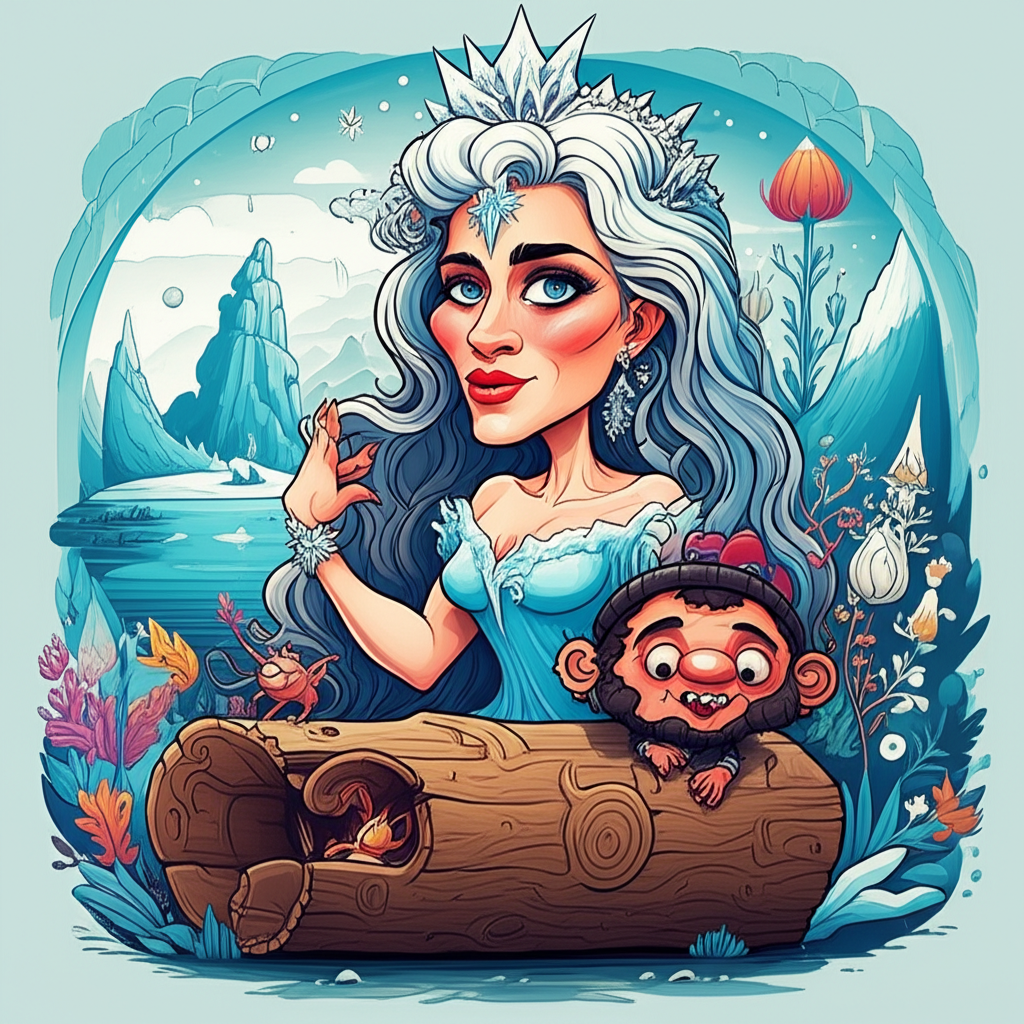
fufufafa
In the vast tapestry of human imagination, woven from threads of fear, wonder, and the primal need to understand the world, lie stories that have echoed through generations. One such intricate narrative emerges from the rich folklore of the Slavic peoples, a tradition deeply rooted in the cycles of nature, the mysteries of the cosmos, and the enduring power of the human spirit. Within this cultural heritage, we find the enigmatic figure of Baba Yaga, a sorceress of immense power, inextricably linked to the mythical Buyan Island, a place whispered about in ancient tales as a nexus of otherworldly forces, and shadowed by the distant, celestial presence of Svarog, the divine blacksmith of the Slavic pantheon.
These are not tales of historical fact or divine revelation. They are the vibrant, imaginative expressions of ancient peoples attempting to grapple with the unknown, to explain the inexplicable forces that governed their lives, from the bounty of the harvest to the terror of the storm. The Slavic lands, with their dense, ancient forests, their vast, untamed rivers, and their long, harsh winters, provided fertile ground for such mythologies to flourish. Life was often precarious, dictated by the whims of nature, and the world was perceived as a place alive with spirits, both benevolent and fearsome, inhabiting every tree, every stream, and every shadow. The cosmos itself was seen as a grand, ordered creation, with deities like Svarog, the celestial craftsman, forging the sun, the stars, and the very fabric of existence.
At the heart of this particular legend lies Baba Yaga, a figure that defies simple categorization. She is often depicted as a hag, her face weathered and etched with age, her nose long and sharp, her teeth like iron. She dwells in a peculiar hut that stands on chicken legs, capable of spinning and moving through the dense forest. This hut is not merely a dwelling; it is an extension of her power, a sentinel that guards her domain. Baba Yaga is a creature of contradictions: she can be a terrifying antagonist, devouring unwary travelers, or a wise, albeit formidable, helper, testing the mettle of those who seek her out. Her symbolic attributes are multifaceted. The hut on chicken legs can represent a liminal space, a transition between the known and the unknown, the ordinary and the magical. Her connection to the forest speaks to the untamed, primal forces of nature, while her gnarly appearance and iron teeth hint at the harsh realities of survival and the raw, unvarnished power that can be found in the wild. She is often associated with the elements, particularly fire and the earth, and her presence is felt in the rustling of leaves, the crackling of flames, and the deep, dark recesses of the woods.
The narrative often unfolds with a hero or heroine, driven by necessity or a quest, venturing into the deep wilderness to find Baba Yaga. Imagine a young person, perhaps orphaned or tasked with a perilous mission by a desperate family, setting out on a journey fraught with danger. The forest itself becomes a character, whispering secrets, playing tricks on the senses, and testing their resolve. As they press deeper, the air grows colder, the trees loom larger, and a sense of ancient, potent magic permeates the surroundings. Finally, they stumble upon the clearing where the hut on chicken legs stands, a disquieting sight that commands both fear and a grudging respect.
Baba Yaga emerges from her dwelling, her eyes piercing, her voice a rasping whisper that carries the weight of centuries. She might demand a task, a riddle to be solved, or a trial to be endured. The hero must demonstrate courage, resourcefulness, and perhaps a touch of cleverness to survive her encounters. They might be asked to sort grains, to fetch water in a sieve, or to outwit her formidable servants, often depicted as disembodied hands or spectral beings. The narrative is not about divine intervention but about the protagonist’s own inner strength and their ability to navigate the treacherous landscape, both physical and metaphorical, that Baba Yaga represents. The island of Buyan, often mentioned as the location of her domain, is itself a mythical realm, a place of healing springs, magical objects, and the very source of life and death. It is a place where the earthly and the ethereal intersect, a mythical archipelago said to exist at the edge of the world, where the sun rises and sets, and where the spirits of the departed might dwell. The echoes of Svarog’s celestial forge might be felt here, a subtle reminder of the cosmic order that underpins even the wildest magic.
The symbolism embedded within these tales is rich and enduring. Baba Yaga, in her duality, can represent the fears and anxieties of the unknown, the wildness of nature that must be respected and understood. She can also embody the harsh lessons of life, the necessity of facing difficult truths and overcoming adversity. The trials she sets forth are often allegories for personal growth and transformation. The island of Buyan, as a mythical locale, can symbolize a place of ultimate truth, a sacred space where one can confront their deepest fears and find the answers they seek, often through a process of purification and self-discovery. The distant presence of Svarog suggests an underlying order, a divine craftsmanship that, even in the face of chaos and primal magic, provides a framework for existence.
In the modern world, these ancient stories continue to resonate. Baba Yaga has become a recurring figure in literature, film, and video games, her image adapted and reinterpreted by contemporary storytellers. She might be portrayed as a villain, a misunderstood outcast, or even a complex anti-heroine. The enduring fascination with her character lies in her potent blend of terror and wisdom, her untamed power, and her ability to exist on the fringes of societal norms. Scholars of folklore and mythology continue to analyze these tales, seeking to understand the cultural anxieties, moral lessons, and cosmological views of the ancient Slavic peoples.
It is important to reiterate that these are deeply rooted cultural stories, born from the fertile ground of human imagination and passed down through oral tradition. As Muslims, we recognize that only Allah (God) is the true Creator and Sustainer of all that exists, and that any narrative or belief system that attributes divine power to created beings is contrary to the fundamental tenets of our faith. These tales, however, offer a valuable window into the past, a testament to the enduring power of storytelling and the human desire to make sense of the world around us. They remind us of the rich tapestry of human heritage, the diverse ways in which different cultures have expressed their understanding of life, death, and the mysteries that lie beyond our immediate perception. The echoes of Svarog, the whispers of Baba Yaga, and the mythical shores of Buyan Island continue to captivate our imaginations, not as truths to be believed, but as potent reminders of the enduring power of myth and the boundless creativity of the human spirit.