fufufafa
Introduction:
From the depths of Slavic folklore, whispered through generations in the lands that now comprise Eastern Europe, come the chilling tales of Morana, Rusalka, and Nav. These figures, embodiments of winter’s death, watery peril, and the spectral unknown, were not deities to be worshipped but rather characters in a complex tapestry of stories woven to explain the mysteries of life, death, and the natural world. It is crucial to remember that these are traditional stories, recounted by ancient people to make sense of their surroundings and experiences, and not claims of literal truth or divine power.
Origins and Cultural Background:
The myths of Morana, Rusalka, and Nav arose from the pagan beliefs prevalent among Slavic tribes long before the arrival of Christianity. This was a world deeply intertwined with nature, where the cycles of seasons dictated life and death. The Slavs lived in close-knit communities, their lives governed by agricultural rhythms and a profound respect for the forces around them. They populated their world with spirits and entities, both benevolent and malevolent, believing that these beings could influence their harvests, their health, and their very survival. The dense forests, flowing rivers, and long, harsh winters provided the perfect backdrop for these captivating narratives. Their worldview was animistic, seeing spirits residing in natural elements and objects. They attributed personified qualities to the natural world, and these stories were a way to explain the unexplainable.
Character / Creature Description:
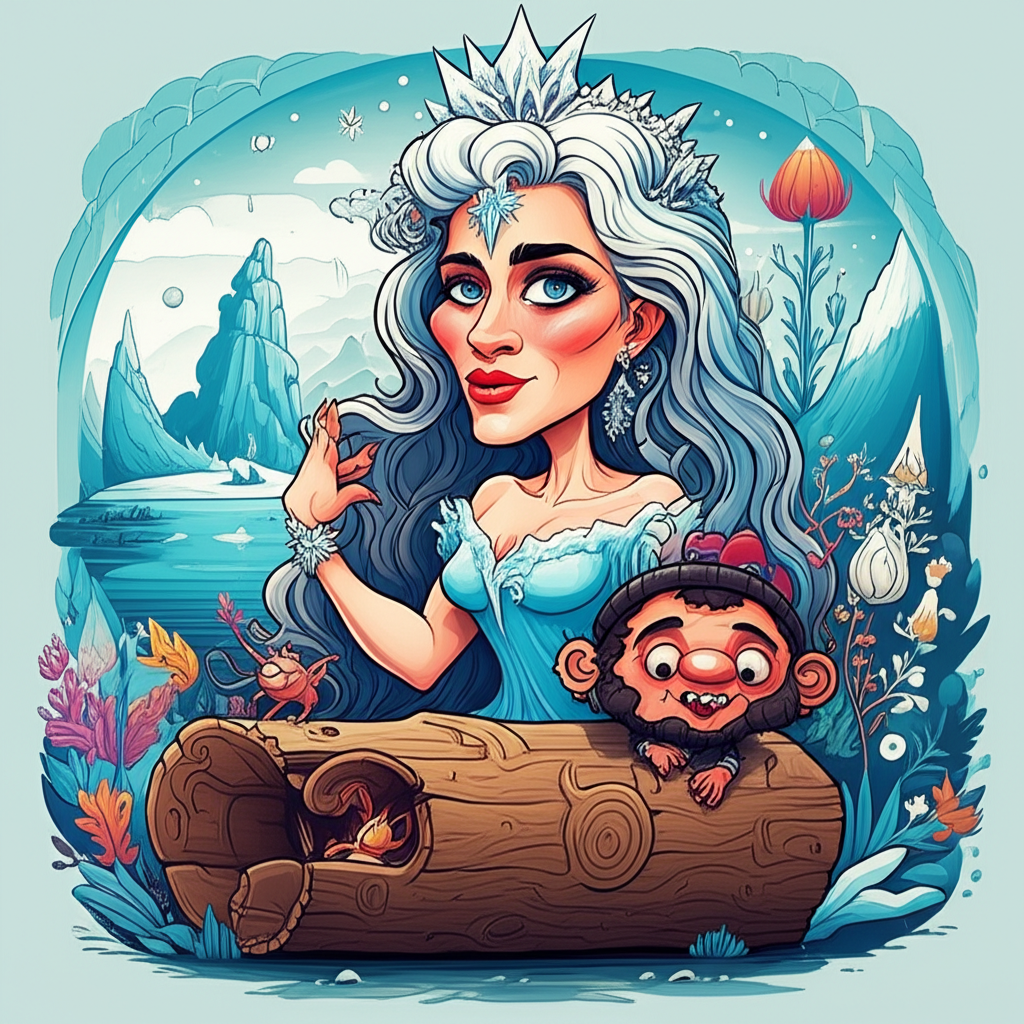
Morana, often depicted as a woman clad in white, embodying the cold and barrenness of winter, represents the end of the agricultural cycle. She brings frost, ice, and the cessation of growth. Her symbolic attribute is death, not necessarily in a malevolent sense, but as the inevitable conclusion of life, preceding rebirth in the spring. She is not seen as a goddess to be adored but as a representation of the natural order.
Rusalka, on the other hand, is a more complex and tragic figure. Often described as a beautiful young woman with long, flowing hair, pale skin, and captivating eyes, she is said to dwell in rivers, lakes, and other bodies of water. The Rusalka is believed to be the spirit of a young woman who died a violent or untimely death, often by drowning, or who was cursed. She lures men to their doom with her beauty and enchanting songs. Her symbolic attribute is the danger and unpredictability of water, and also a warning against betrayal and unfulfilled vows.
Nav, or Navia (singular Nav), represents the spirits of the dead, the souls who have crossed into the afterlife. They inhabit the realm known as Nav, a shadowy underworld. While not inherently evil, the Nav are seen as potentially dangerous, as they can be restless and seek to interact with the living world. Their symbolic attribute is the mystery of death and the unknown, and the importance of respecting the deceased.
Main Story / Narrative Retelling:
As the biting winds of winter howled across the Slavic lands, Morana tightened her icy grip. The rivers froze solid, the fields lay barren under a blanket of snow, and the villagers huddled around their fires, praying for the return of spring. Each year, to hasten her departure and welcome the warmth of the sun, they would create an effigy of Morana, adorned with winter symbols like straw and withered branches. With solemn chants and mournful songs, they would carry the effigy to the edge of the village and cast it into the frozen river, symbolizing the banishment of winter and the promise of rebirth.
In the depths of the swirling river, where the effigy of Morana drifted, lived Rusalka. Her eyes, once bright with life, now held a sorrowful gleam. Betrayed by her lover, she had sought solace in the water, only to find death. Now, transformed into a Rusalka, she haunted the riverbanks, her haunting melodies echoing through the night. Woe to the traveler who strayed too close to the water’s edge, for the Rusalka’s beauty was a deadly trap. She would lure them with her siren song, dragging them into the depths to join her in her watery domain.
Beyond the veil of the living world lay Nav, the land of the dead. Here, the spirits of those who had passed wandered in the spectral twilight. Sometimes, if the living failed to honor their ancestors or if a soul had died an unnatural death, the Nav would stir, their presence felt as cold spots and unsettling whispers. Shamans and wise women, skilled in communicating with the spirit world, would perform rituals to appease the Nav and ensure the balance between the realms of the living and the dead, preventing the restless spirits from causing harm.
Symbolism and Meaning:
To the ancient Slavs, Morana represented the cyclical nature of life and death, a necessary phase before the renewal of spring. The ritual of banishing Morana symbolized hope and the belief in the eventual triumph of life over death. Rusalka embodied the dangers of unchecked emotions, broken promises, and the untamed power of nature. Her story served as a cautionary tale against betrayal and the importance of honoring commitments. Nav represented the unknown and the respect due to the deceased, reinforcing the importance of ancestral veneration and maintaining harmony between the living and the dead.
Modern Perspective:
The figures of Morana, Rusalka, and Nav continue to resonate in modern culture. Morana often appears in fantasy literature and games as a powerful ice witch or queen, representing the forces of winter. Rusalka has inspired numerous operas, ballets, and films, her tragic story exploring themes of love, loss, and the dangers of the supernatural. The concept of Nav and the spirit world is often explored in horror and paranormal fiction, reflecting our enduring fascination with the afterlife and the unseen realms. Cultural studies examine these figures as expressions of Slavic identity, beliefs, and values.
Conclusion:
The stories of Morana, Rusalka, and Nav are echoes from a distant past, remnants of a rich cultural heritage. They offer a glimpse into the worldview of the ancient Slavs, their understanding of nature, and their beliefs about life, death, and the spirit world. As Muslims, we recognize that only Allah is the true Creator and Sustainer of the universe. We understand these stories as cultural narratives, reflecting the imagination and storytelling traditions of people who lived long ago. These narratives should be appreciated for their cultural and historical significance, not as objects of belief or worship. They stand as testaments to the power of storytelling and the enduring human need to make sense of the world around us. They are a reminder of the importance of preserving cultural heritage and the value of understanding different perspectives, even those rooted in ancient beliefs.