fufufafa
Deep within the rich tapestry of Philippine folklore, particularly among the Tagalog people of Luzon, lies a collection of ancient tales that weave together the natural world with the realm of the unseen. Among these stories, vibrant threads speak of powerful deities, enigmatic spirits, and sacred landscapes. One such narrative, echoed through generations, speaks of the mythical figure of Anitun Tabu, the elusive duwende, and the majestic, mystical Mount Makiling. This article explores these traditional narratives, presenting them as cultural stories passed down by ancient peoples, offering insights into their worldview rather than promoting any form of belief or practice.
Origins and Cultural Background
To understand the resonance of tales like those surrounding Anitun Tabu and the duwende of Mount Makiling, one must journey back to pre-colonial Philippines. This was an era where life was intimately intertwined with nature’s rhythms. Societies were predominantly agrarian, with communities living in close harmony with forests, rivers, and mountains, which were not merely geographical features but living entities imbued with spiritual significance. People of that time viewed the world through an animistic lens, believing that spirits, known as anito, inhabited everything from ancient trees and rock formations to bodies of water and even the weather itself. These anito could be benevolent providers, mischievous tricksters, or vengeful protectors, and their influence was sought, appeased, or respected through various rituals and customs. This worldview fostered a profound sense of reverence for the environment, where the land was seen as a sacred trust, and its unseen inhabitants played a crucial role in the daily lives and fortunes of the people.
Character / Creature Description
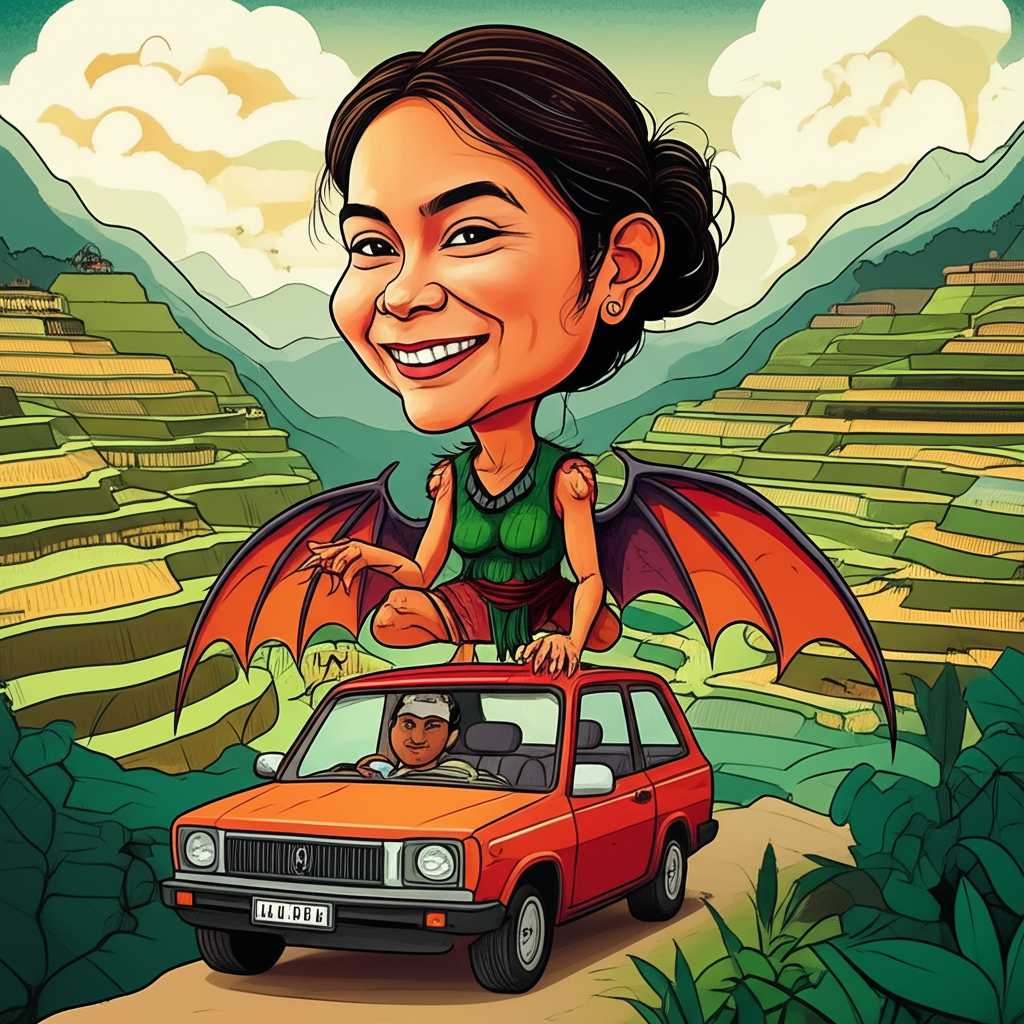
At the heart of these narratives are figures that personify the forces and mysteries of the natural world. Anitun Tabu, in some ancient Tagalog mythologies, is recognized as a deity of wind and rain, a powerful force that dictates the cycles of sustenance for agricultural communities. Her presence symbolizes the capricious yet vital nature of the elements – the refreshing monsoon rains that bring life to crops, or the destructive typhoons that could devastate a village. She is not a figure to be worshipped but rather an ancient representation of nature’s formidable power, often seen as an aspect of the broader spirit world influencing the weather.
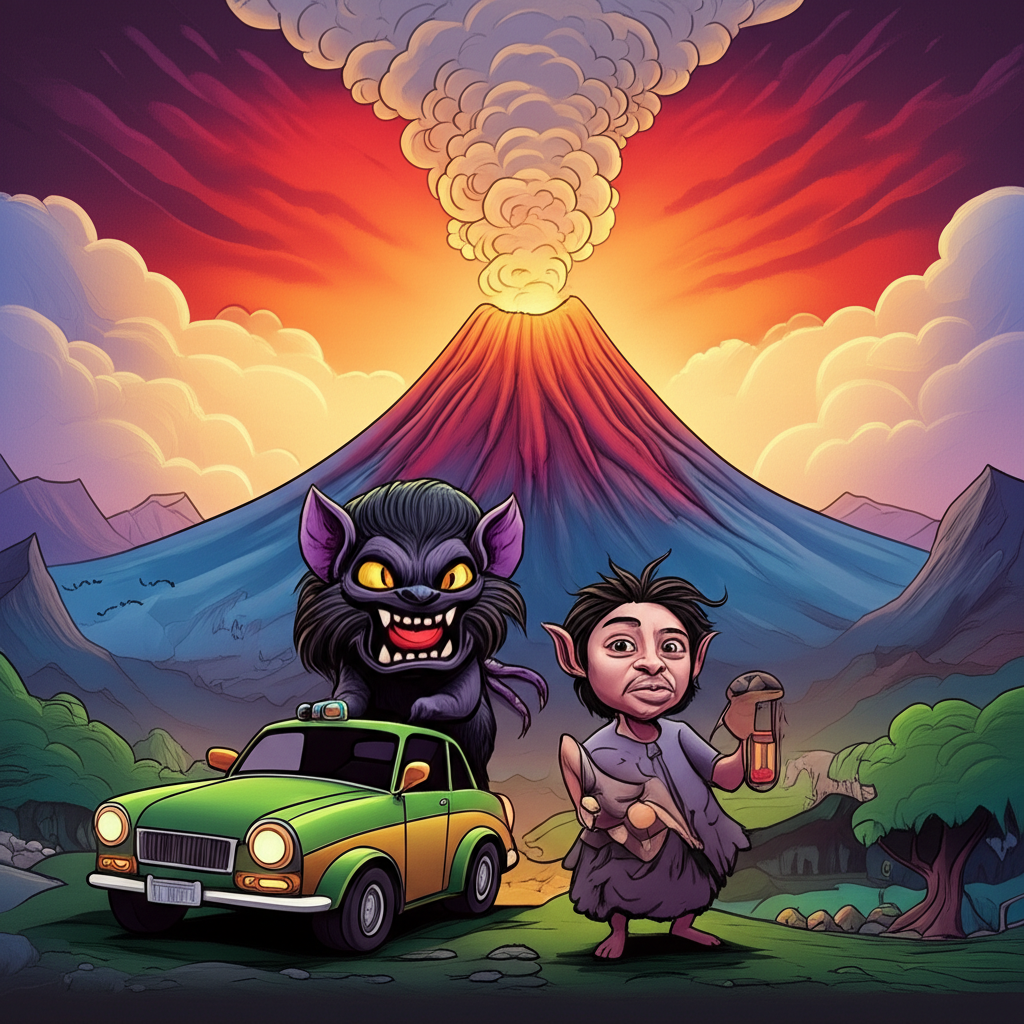
Alongside such elemental forces dwell the duwende, small, often unseen human-like beings believed to inhabit specific natural spots like tree roots, termite mounds (punso), or even quiet corners of homes. These creatures are frequently depicted as mischievous yet occasionally helpful, embodying the hidden, sometimes unpredictable aspects of the immediate environment. They served as a reminder that every part of nature, no matter how small, possessed its own spirit and required respect.
Overlooking this world is Mount Makiling, not just a mountain but a sacred entity. While often personified in later folklore as the benevolent goddess Maria Makiling, in earlier traditions, it was perceived as a dwelling place of powerful spirits and a source of life and mystery. Its lush forests and hidden springs were considered sacred, a realm where the veil between the human and spirit worlds was thin, and where the presence of beings like the duwende and the influence of elemental forces like those attributed to Anitun Tabu were most keenly felt.
Main Story / Narrative Retelling
In the shadow of Mount Makiling, where mist often clung to ancient trees like ethereal garments, lived a small village. Its people, generations removed from the first settlers, still honored the old ways, offering small tokens of respect to the punso and whispering apologies before cutting wood. Yet, even tradition could sometimes wane.
Young Lakan, a spirited and curious boy, often ventured deeper into the forest than his elders advised. He was drawn by the whispers of the wind through the leaves, the secrets he imagined hidden in the moss-covered rocks. One sweltering season, when the rains had long refused to fall, the village crops began to wither, and the rivers dwindled to trickles. Fear hung heavy in the air, a dry, suffocating cloak.
Lakan, desperate, remembered the stories of Anitun Tabu, the bringer of wind and rain. Though his elders spoke of appeasing the spirits of the mountain, he felt an urge to seek the source of the drought itself. He climbed higher, past the familiar trails, into groves where ancient trees stood sentinel. He heard rustling, tiny giggles, and glimpsed fleeting movements – the duwende, guardians of these inner sanctums, observing him with their sharp, knowing eyes.
He stumbled upon a hidden spring, now barely a damp hollow. As he knelt, a sudden gust of wind swept through the clearing, chilling him despite the heat. Leaves swirled, and the very air crackled with an unseen energy. Lakan felt a presence, vast and ancient, a sense of immense power, like the brewing of a storm. It was the essence of Anitun Tabu, not a figure he could see, but a force he could feel – the raw, untamed spirit of the monsoon, slumbering or perhaps angered.
A tiny, wizened duwende, bolder than the others, emerged from beneath a gnarled root. It spoke in a voice like rustling leaves, "You seek the rains, child? But have you respected the source? The streams you pollute, the trees you fell without heed, the very ground you tread without reverence – these are our homes, and the mountain’s heart."
Lakan, humbled, understood. The drought was not merely a natural event but a consequence, a reflection of imbalance. He returned to his village, not with a magical solution, but with a renewed understanding. He spoke to his people, not of a goddess’s wrath, but of the mountain’s patience wearing thin, of the duwende‘s sorrow. Together, they began to mend their ways – clearing the riverbanks, planting new trees, and returning to the careful respect for nature that their ancestors had once practiced. Slowly, almost imperceptibly at first, the winds shifted. Then, a soft drizzle, growing into a steady, life-giving rain, descended upon Mount Makiling and the parched land below. The echoes of Anitun Tabu’s power, channeled through the mountain’s spirits and understood through the duwende‘s quiet wisdom, had reminded them of their place within the grand design of nature.
Symbolism and Meaning
To the ancient people, these stories were far more than simple tales; they were profound allegories for their existence. Anitun Tabu, as the embodiment of wind and rain, symbolized the essential yet often unpredictable forces of nature that dictated agricultural success and survival. Her perceived moods mirrored the blessings or trials brought by the weather, fostering both respect and a pragmatic understanding of the need to live in harmony with the environment. The duwende, in their role as guardians of specific natural spaces, represented the intricate and often hidden life within the forest, reminding people of the unseen consequences of their actions and the importance of respecting every corner of their world. Mount Makiling itself stood as a powerful symbol of Mother Nature – a generous provider, a formidable protector, and a sacred sanctuary that demanded reverence. Collectively, these narratives reinforced moral codes: the importance of ecological stewardship, the consequences of greed, and the wisdom of living in balance with the natural world. They taught humility, resilience, and the interconnectedness of all life, emphasizing that human prosperity was inextricably linked to the health and sanctity of their environment.
Modern Perspective
In contemporary Philippine society, the echoes of Anitun Tabu, the duwende, and Mount Makiling continue to resonate, though their interpretation has evolved. These figures and their associated narratives are no longer seen as literal truths to be feared or appeased, but rather as invaluable cultural touchstones. They find expression in modern literature, inspiring fantasy novels, children’s stories, and even academic studies of folklore. Filipino cinema and television often weave these mythological elements into horror, fantasy, and adventure genres, providing a unique cultural flavor to popular entertainment. In the realm of video games, developers sometimes incorporate duwende or other nature spirits as characters or environmental features, introducing these ancient tales to a new generation. Beyond entertainment, these myths serve as a powerful foundation for environmental advocacy, reminding people of the sacredness of nature and the need for conservation – a modern echo of the ancient respect these stories once fostered. They stand as a testament to the enduring power of storytelling in shaping cultural identity and transmitting values across time.
Conclusion
The stories of Anitun Tabu, the duwende, and the mystical Mount Makiling are cherished elements of Philippine cultural heritage, offering a window into the rich imaginative world of our ancestors. It is crucial to reiterate that these are traditional narratives, products of human imagination and cultural evolution, not divine truths or objects of belief. As Muslims, we hold firm to the understanding that only Allah (God) is the true Creator and Sustainer of the heavens and the earth, the One who orchestrates the winds, the rains, and all life within His perfect design. These ancient tales, while fascinating for their historical and cultural depth, are not to be confused with religious doctrine or divine power. They stand as a beautiful testament to the human spirit’s capacity for storytelling, its deep connection to nature, and its timeless quest to understand the world around it through the lens of imagination. In preserving and understanding such folklore, we honor our cultural heritage and appreciate the universal human tradition of weaving narratives to make sense of our existence.