fufufafa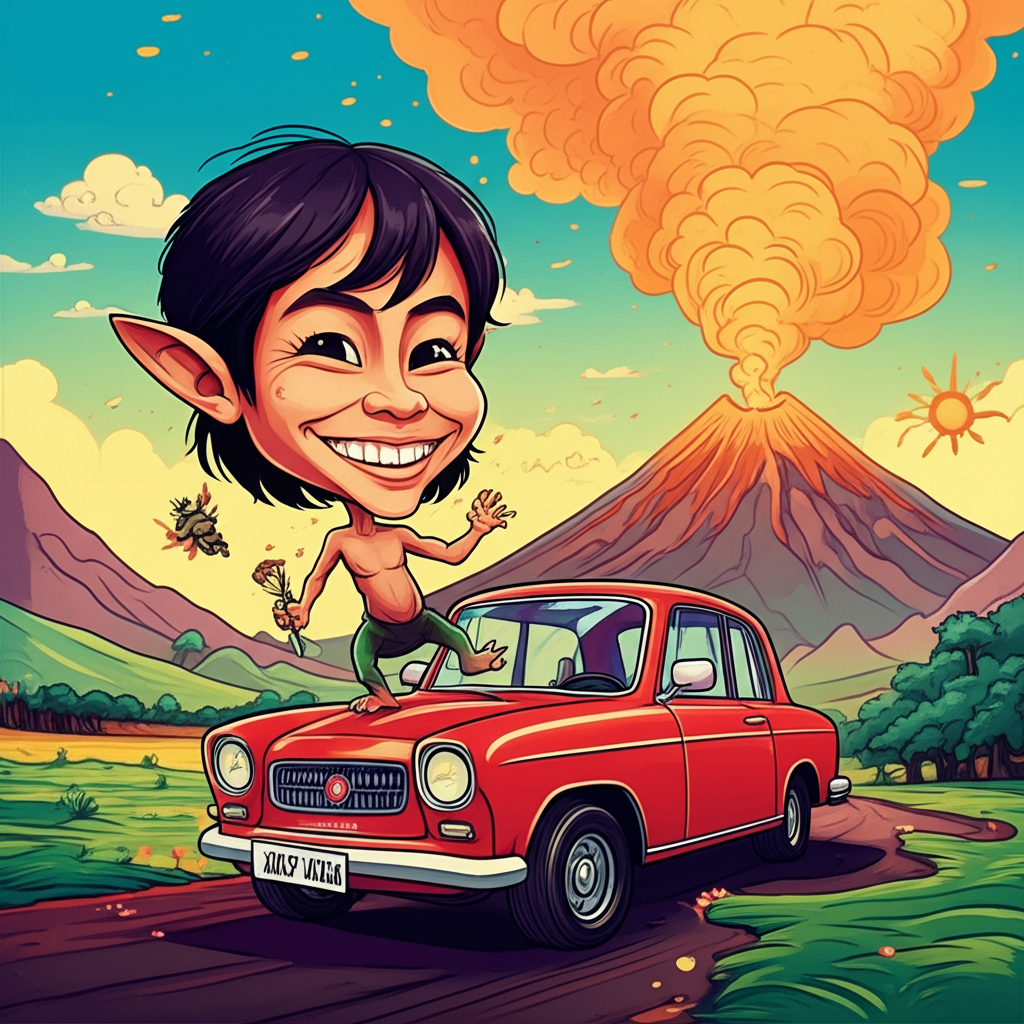
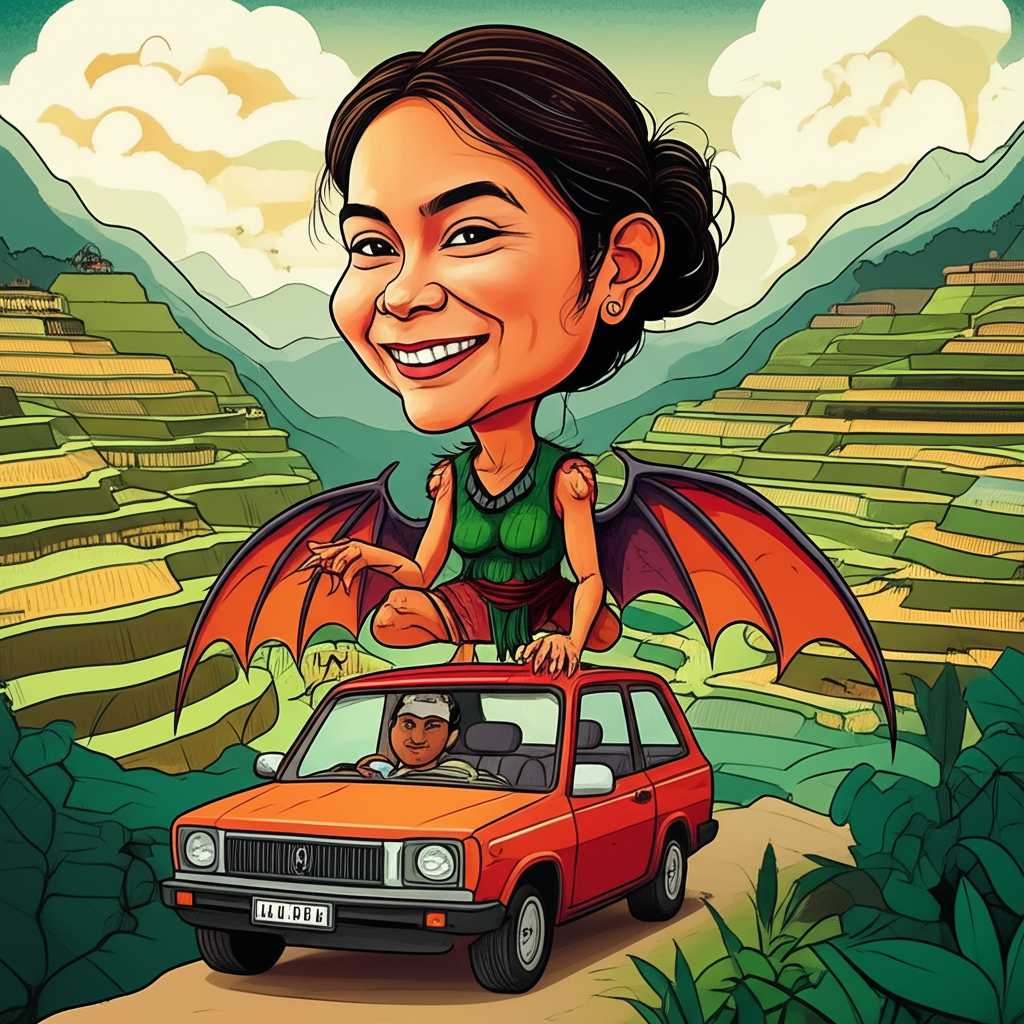
In the verdant embrace of the Bicol region of the Philippines, where volcanic soil yields bountiful harvests and the air hums with ancient tales, a tapestry of folklore has been woven over centuries. Among these threads, the legend of Amanikable, the mythical ruler of the sea, and the unsettling presence of the Tiyanak, a creature born of folklore, intertwine with the imposing grandeur of Mayon Volcano, the region’s iconic stratovolcano. These are not tales of divine intervention, but rather the imaginative narratives of ancient peoples, attempts to understand the world around them, to explain the untamed forces of nature, and to navigate the complexities of human existence.
The origins of these stories are rooted in a time when the natural world was perceived as a living entity, imbued with spirits and governed by powerful, often capricious, forces. The ancient Filipinos, living in close communion with their environment, saw the restless sea, the fertile yet destructive earth, and the awe-inspiring volcanoes as manifestations of greater powers. Their worldview was animistic, a belief that spirits inhabited all things – rocks, rivers, trees, and even the sky. These spirits could be benevolent, offering protection and prosperity, or malevolent, bringing misfortune and destruction. Myths and legends served as a crucial tool for them, a way to interpret the inexplicable, to appease the perceived anger of these spirits, and to teach moral lessons within their communities. The stories of Amanikable, the Tiyanak, and the shadow of Mayon Volcano are products of this rich cultural milieu, reflections of a people seeking meaning in the rhythm of nature and the mysteries of life and death.
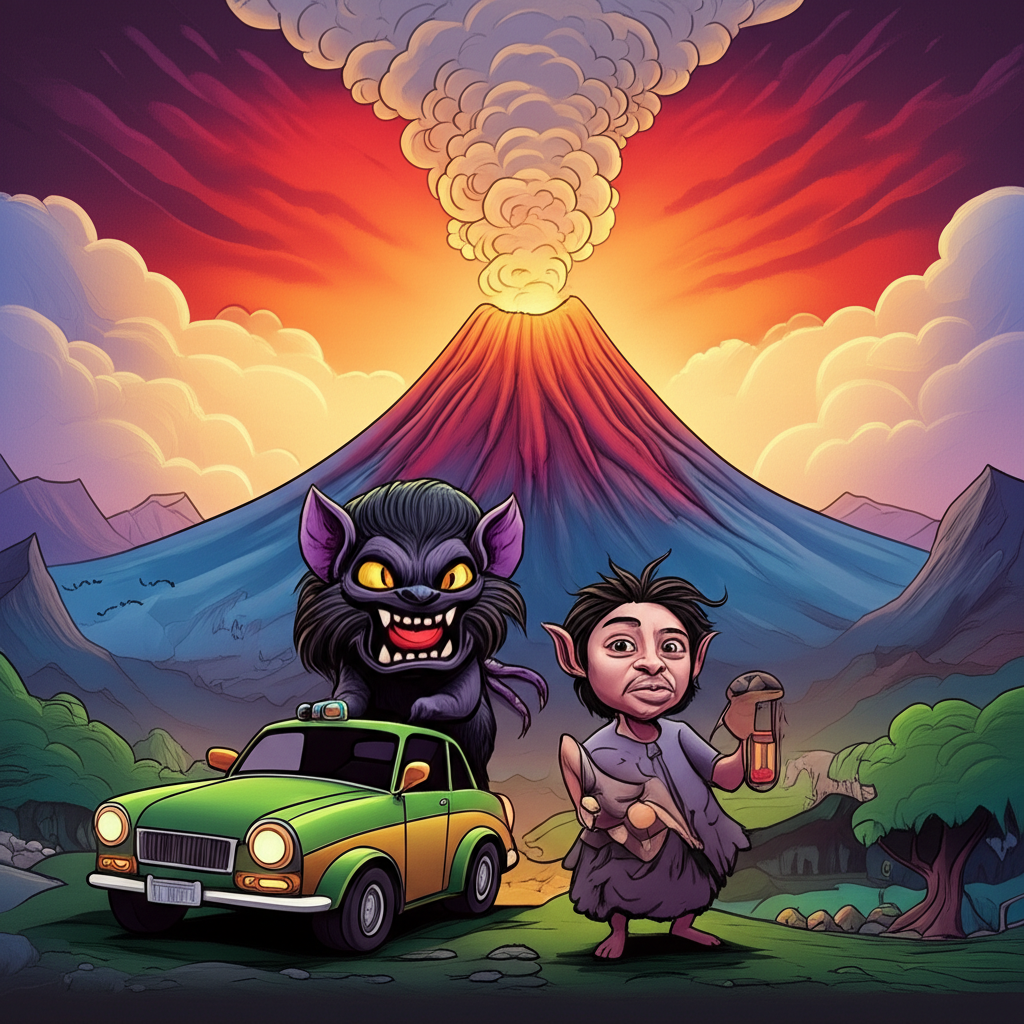
The legend of Amanikable, a powerful sea deity, paints a picture of a ruler whose domain was the vast, unpredictable ocean. He was often depicted as a regal figure, commanding the tides and the waves, a symbol of the immense power and bounty of the sea, but also its inherent dangers. In contrast, the Tiyanak is a far more unsettling figure, a creature born from the folklore of a specific fear: the unbaptized souls of infants, tragically lost before receiving Christian rites. These spirits, the stories say, are unable to find peace and thus transform into small, mischievous, and often terrifying beings. The Tiyanak is typically described as a baby with sharp fangs and glowing red eyes, capable of mimicking the cries of an infant to lure unsuspecting victims, particularly those venturing into the wilderness at night. Its form is a potent symbol of vulnerability and the primal fear of loss and the unknown afterlife. While Amanikable represents the grand, elemental forces, the Tiyanak embodies the more intimate, human anxieties surrounding life, death, and innocence.
The narrative threads often weave together in the collective imagination of the Bicolano people, though specific tales vary. Imagine a time when the Bicolanos, their lives dictated by the seasons and the moods of the earth and sea, would gather under the starry sky. The silhouette of Mayon Volcano, ever-present and majestic, would loom in the distance, a constant reminder of both its life-giving fertility and its devastating power. In such a setting, elders might recount tales of Amanikable, the lord of the shimmering waters, whose moods dictated the success of fishing expeditions. They might speak of his immense power, the way he could stir the ocean into a frenzy or calm it into a glassy stillness.
Then, as the night deepened, the stories might shift, tinged with a more unsettling hue. The whispers of the Tiyanak would begin to fill the air, especially when the wind rustled through the dense forests surrounding the volcano or when the distant cries of nocturnal creatures echoed through the darkness. A common narrative might involve a traveler, perhaps a hunter or a farmer returning home late, hearing the faint, plaintive cry of a baby from the shadows. Driven by compassion, or perhaps a sense of duty, they would venture towards the sound. As they drew closer, the cries would become more insistent, more desperate. But upon reaching the source, they would discover not an abandoned child, but the fearsome Tiyanak, its innocent cries a deceptive lure. The story would then serve as a cautionary tale, a reminder to be wary of the unseen, to respect the boundaries of the wilderness, and to heed the warnings of nature. The proximity to Mayon Volcano often adds an extra layer of drama, as the fertile slopes are also home to dense forests and hidden ravines, places where such mythical encounters could plausibly occur. The volcano itself, a powerful symbol of creation and destruction, could be seen as a silent witness, its enduring presence lending a timeless quality to these tales.
The symbolism embedded within these narratives is rich and multifaceted. Amanikable, as a sea deity, likely represented the dual nature of the ocean: its capacity to provide sustenance and its potential to bring ruin. He was a personification of the respect and awe that ancient peoples held for this vast, life-sustaining yet formidable element. The Tiyanak, on the other hand, served as a potent symbol of loss, vulnerability, and the consequences of societal norms. Its story reflects the deep-seated anxieties surrounding infant mortality and the cultural importance of rites of passage. The creature’s deceptive nature also speaks to the inherent dangers of the natural world, where appearances can be deceiving and primal instincts can lead to peril. Mayon Volcano, in this context, acts as a powerful backdrop, a constant reminder of the raw, untamed forces of nature that shaped the lives and beliefs of the people. It symbolizes both creation and destruction, a potent metaphor for the cyclical nature of life and the ever-present threat of the unpredictable.
In contemporary times, these ancient myths continue to resonate, albeit in transformed ways. The Tiyanak, in particular, has become a staple in Filipino horror films, literature, and even video games, its chilling presence often used to evoke fear and suspense. Its imagery is instantly recognizable, a potent symbol of childhood innocence corrupted and the primal fear of the unknown. Amanikable, while perhaps less frequently depicted, still exists within the broader spectrum of Philippine mythology, often referenced in cultural studies and academic explorations of folklore. Mayon Volcano, of course, remains a powerful national icon, its geological majesty inspiring awe and its volcanic activity continuing to be a subject of scientific study and public fascination, sometimes intertwined with its mythical significance in local lore. These stories, once tools for understanding and survival, have evolved into elements of cultural heritage, enriching the artistic and literary landscape.
It is crucial to reiterate that these are traditional stories, woven from the threads of imagination and the desire to comprehend the world. They are cultural artifacts, offering valuable insights into the beliefs, fears, and values of ancient societies. As Muslims, we understand that only Allah (God) is the true Creator and Sustainer of all existence. These narratives, while fascinating from a cultural and historical perspective, do not hold divine authority or truth.
In conclusion, the echoes of Amanikable, the whispers of the Tiyanak, and the majestic presence of Mayon Volcano are more than just stories; they are vibrant threads in the rich tapestry of Philippine folklore. They represent a testament to the power of human imagination, the enduring human need to explain the inexplicable, and the profound connection our ancestors felt with the natural world. By understanding these myths, we gain a deeper appreciation for the cultural heritage of the Bicol region, recognizing them as invaluable windows into the past and enduring examples of the art of storytelling.