fufufafa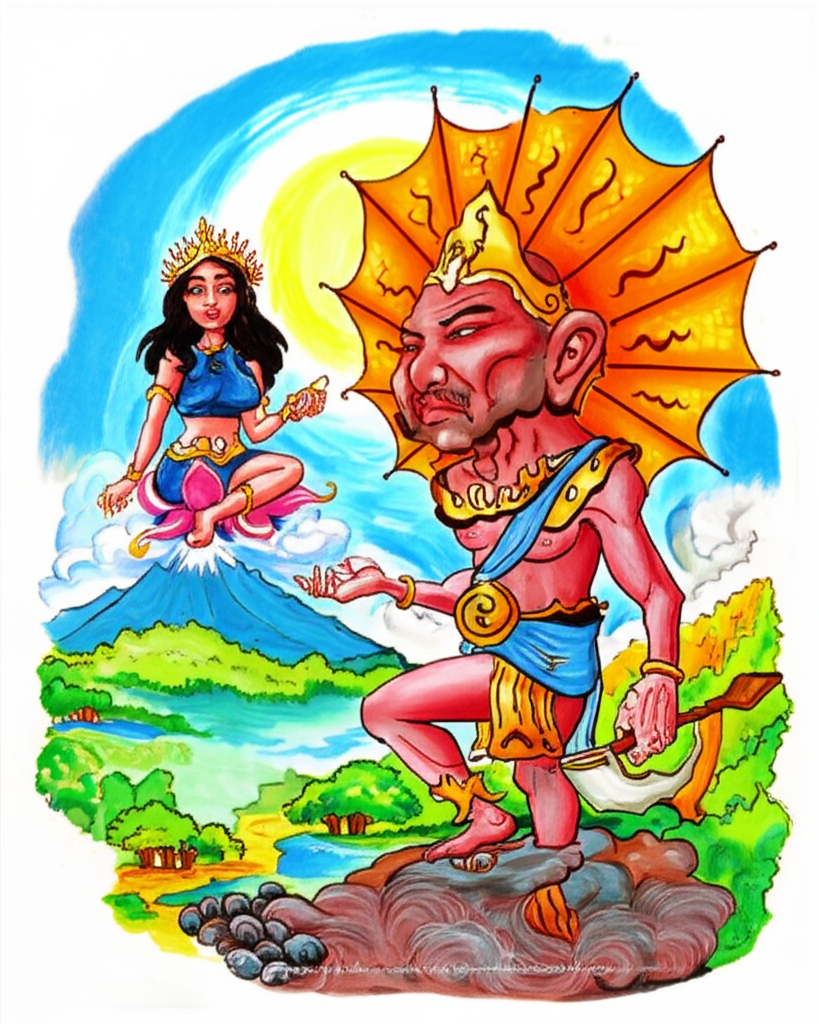
The Philippines, an archipelago blessed with emerald islands and sapphire seas, is a land steeped in a rich tapestry of myths and legends. Among these ancient narratives, the tale of Maria Makiling stands as a vibrant testament to the imaginative spirit of its people, a story passed down through generations, whispered in the shadows of the towering mountains. This is not a chronicle of divine intervention, but a traditional story, a cultural artifact woven from the beliefs and worldview of ancient Filipinos, designed to explain the world around them and imbue it with meaning.
The origins of this legend are deeply rooted in the pre-colonial era of the Philippines, a time when the Tagalog people, inhabitants of the island of Luzon, lived in close communion with nature. Their understanding of the world was one where spirits and unseen forces permeated the very fabric of existence. Mountains, rivers, and forests were not merely geographical features but dwelling places of powerful beings, guardians of the natural world. In this animistic framework, the land was alive, and its bounty was often attributed to the favor or displeasure of these ethereal entities. The Tagalog people, like many indigenous cultures, sought to understand the mysteries of life, death, and the unpredictable forces of nature through storytelling, creating narratives that served as explanations, moral compasses, and expressions of their profound connection to their environment.
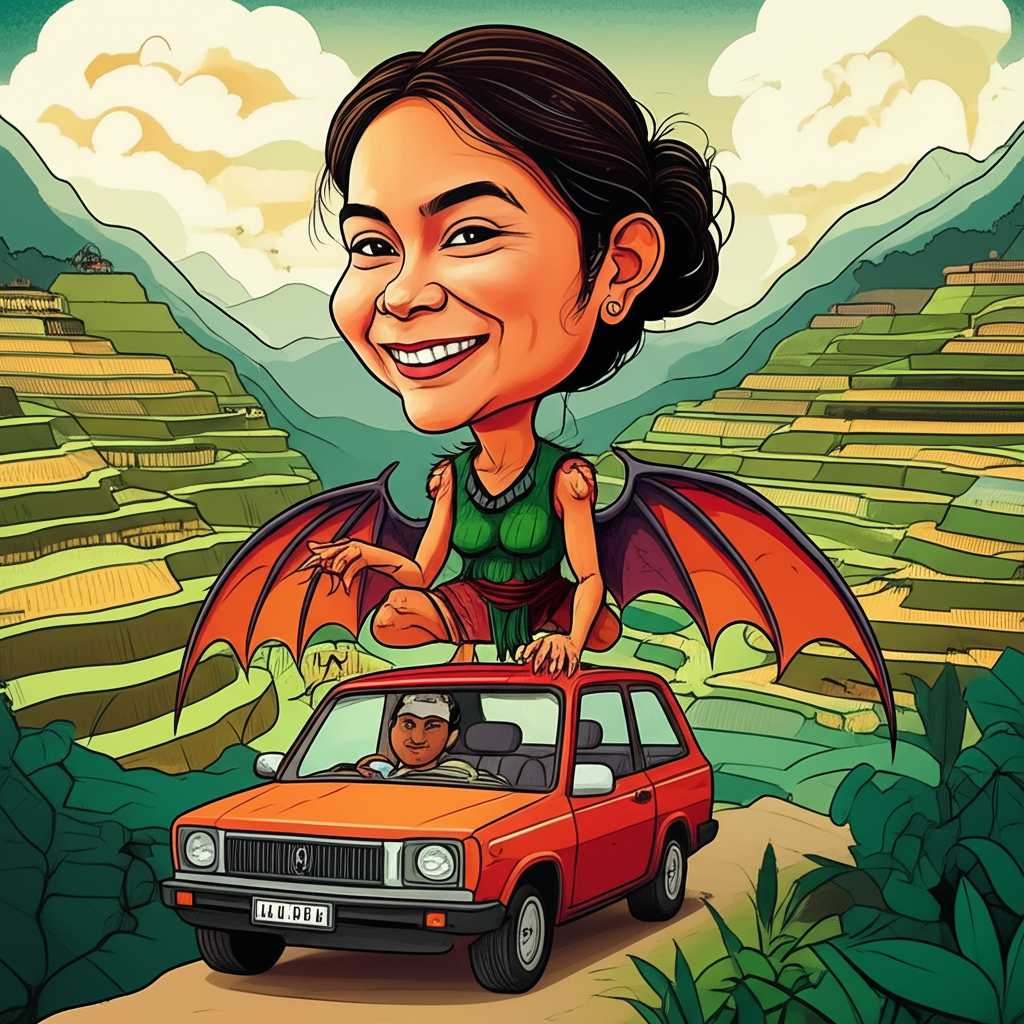
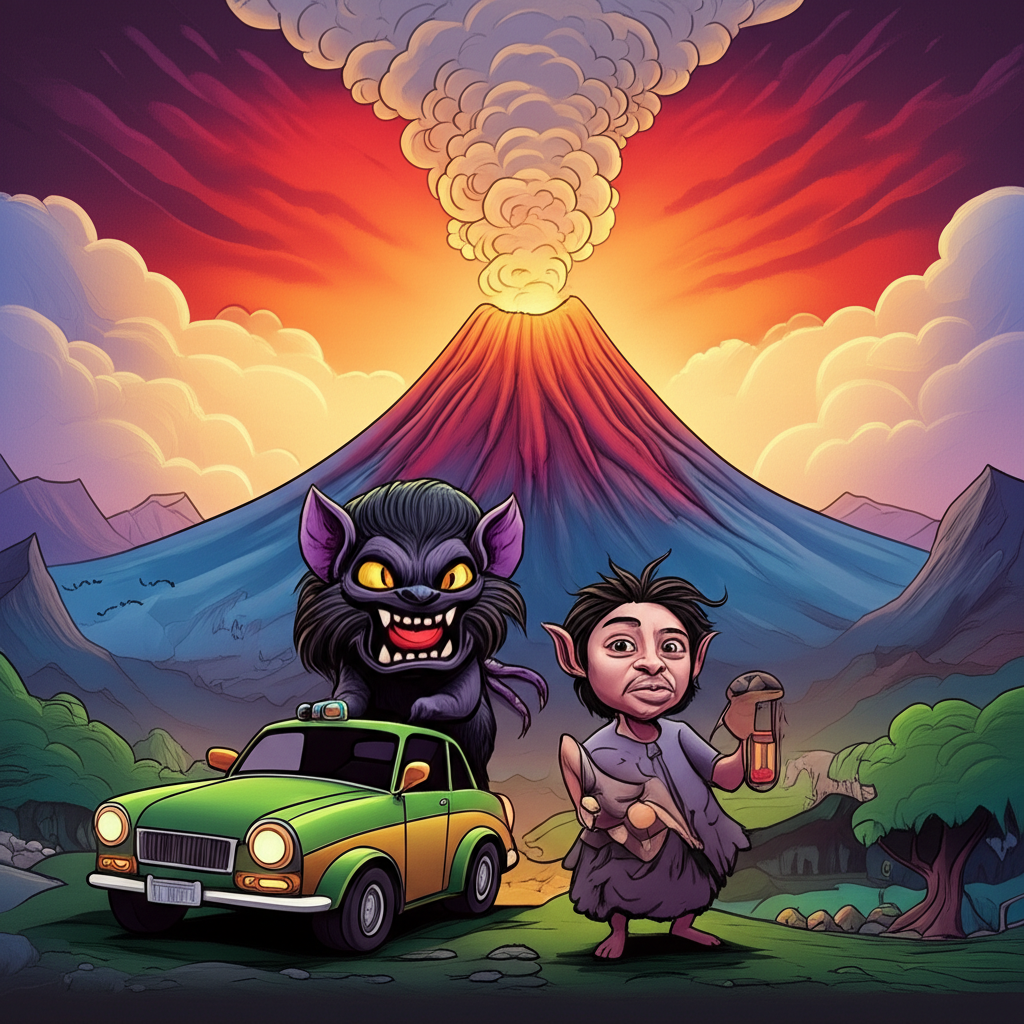
At the heart of the Maria Makiling legend lies a figure of profound mystery and captivating presence. Maria Makiling, often depicted as a beautiful woman of ethereal grace, is intrinsically linked to Mount Makiling, a dormant volcano that graces the landscape of Laguna province. She is not a deity in the pantheistic sense, but rather a powerful diwata, a nature spirit or guardian of the mountain. Her symbolic attributes are numerous and significant. Her beauty is often described as radiant, reflecting the pristine and awe-inspiring nature of her domain. Her connection to the mountain signifies her role as a protector of its flora and fauna, its clear springs, and its fertile slopes. She embodies the abundance and generosity of the earth, but also its fierce and untamed power. Her presence is felt in the rustling leaves, the cascading waterfalls, and the mists that often shroud the peak, a constant reminder of the unseen forces that govern the natural world. She is a symbol of nature’s bounty, its resilience, and its ability to both nurture and challenge humanity.
The narrative of Maria Makiling is often told as a journey, not necessarily a physical expedition across vast distances, but a journey of interaction and consequence. The legend begins with Maria’s deep love for Mount Makiling, her sacred home. She is depicted as a benevolent spirit, tending to the needs of the forest, ensuring its vitality and protecting its inhabitants. However, the narrative often introduces human interaction, typically through young men who venture into the mountain, drawn by its beauty or its resources. Some versions speak of a young hunter, enchanted by Maria’s beauty, who seeks her favor. In other tellings, it is a young man who shows kindness and respect to the mountain and its spirit that earns her attention.
Maria, in her guise as a beautiful maiden, would sometimes descend from her mountain sanctuary and interact with the villagers. She would offer them gifts from the forest – fruits, herbs, or even gold – when they were in need or when they demonstrated respect for her domain. Yet, her benevolence was not unconditional. The legend often warns of the consequences of disrespect, greed, or exploitation of the mountain’s resources. Those who harmed the forest, hunted excessively, or behaved with arrogance would find themselves lost, facing the mountain’s wrath, or being tricked by the elusive diwata.
A recurring theme is Maria’s yearning for companionship or her deep affection for certain individuals. Some stories tell of her falling in love with a mortal man, a relationship fraught with the inherent divide between the spirit world and the human realm. These unions, if they occurred, were often temporary, ending in sorrow or a return to her solitary guardianship. In other narratives, she remains a distant, protective figure, her presence felt but her form rarely fully revealed. The "journey" in these tales is not just about human encounters, but also about Maria’s enduring commitment to her mountain, her cyclical interactions with the human world, and the ever-present mystery of her existence. The offerings she sometimes left behind, like the legendary suman (a type of rice cake), became tangible reminders of her benevolent presence, woven into the folklore and everyday life of the surrounding communities.
The symbolism embedded within the Maria Makiling myth is rich and multifaceted. For the ancient Tagalog people, Maria Makiling represented the spirit of the mountain itself – its life-giving properties, its unpredictable power, and its sacredness. She embodied the reverence they held for nature, a deep understanding that humanity was not the master of the environment, but a part of it, dependent on its equilibrium. Her beauty and grace symbolized the inherent allure and wonder of the natural world, while her protective nature underscored the importance of respecting and preserving it. The stories also served as cautionary tales, teaching lessons about humility, gratitude, and the dangers of unchecked ambition and disrespect towards the natural order. She could be seen as a metaphor for leadership, a benevolent but firm guardian who ensured the well-being of her domain and its people, provided they acted in accordance with nature’s dictates.
In contemporary times, the legend of Maria Makiling continues to resonate, evolving and adapting within modern Filipino culture. She has been immortalized in literature, with numerous poems, short stories, and novels exploring her myth. Her image has graced the silver screen in films and television series, reinterpreting her story for new generations. In the realm of video games and visual arts, her character and the mystique of Mount Makiling are often invoked, blending traditional folklore with contemporary creative expression. Beyond entertainment, Maria Makiling remains a significant figure in cultural studies, serving as a subject of academic inquiry into Philippine mythology, animism, and the enduring power of storytelling in shaping cultural identity. She is a cultural icon, a representation of the Filipino spirit’s deep connection to its natural heritage.
It is crucial to reiterate that the legend of Maria Makiling is a traditional story, a product of the rich imagination and worldview of ancient peoples. It is a cultural narrative, not a matter of factual belief. As Muslims, we recognize that the only true Creator and Sustainer of the universe is Allah (SWT). Our understanding of the world is rooted in divine revelation and the absolute sovereignty of God.
However, these ancient stories, like Maria Makiling, hold immense value as windows into the past. They offer us a glimpse into the minds and hearts of our ancestors, revealing their efforts to comprehend the world, their deep respect for nature, and their enduring capacity for imagination. The journey of Maria Makiling, though a tale spun from myth and folklore, serves as a powerful reminder of the enduring human need to tell stories, to find meaning in the world around us, and to preserve the vibrant threads of our cultural heritage. It is through understanding these narratives that we can better appreciate the diversity of human thought and the enduring legacy of storytelling traditions that connect us to our collective past.