fufufafa
In the annals of human storytelling, few traditions are as rich and enduring as the myths and legends passed down through generations. These narratives, woven from the fabric of ancient imagination, offer glimpses into the worldview, fears, and aspirations of cultures long past. Among the most vibrant of these is the intricate tapestry of Ancient Greek mythology, a collection of tales that gave form to the unknown and meaning to the inexplicable. Within this grand tradition lies the story of the Hydra, a formidable creature whose legendary defeat forms a cornerstone of heroic lore. This is a traditional story, a product of the human mind from antiquity, not a factual account or a belief system to be worshipped or practiced. It is presented here purely for cultural, historical, and educational understanding.
Origins and Cultural Background: The World of Ancient Greece
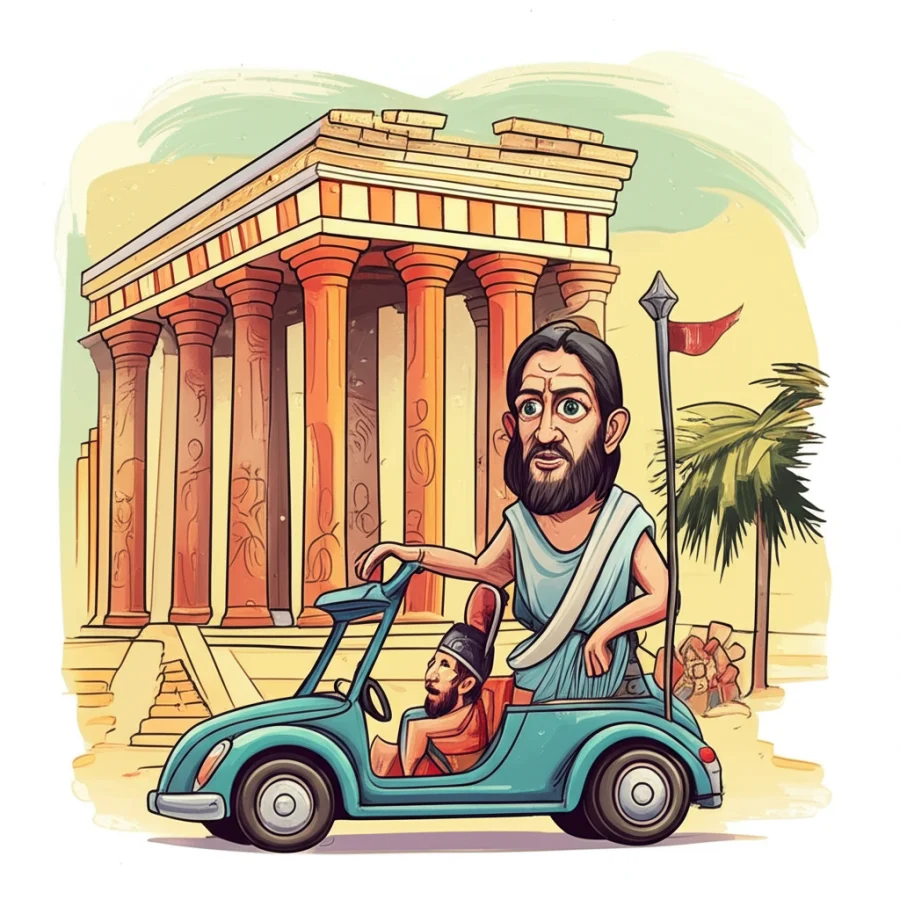
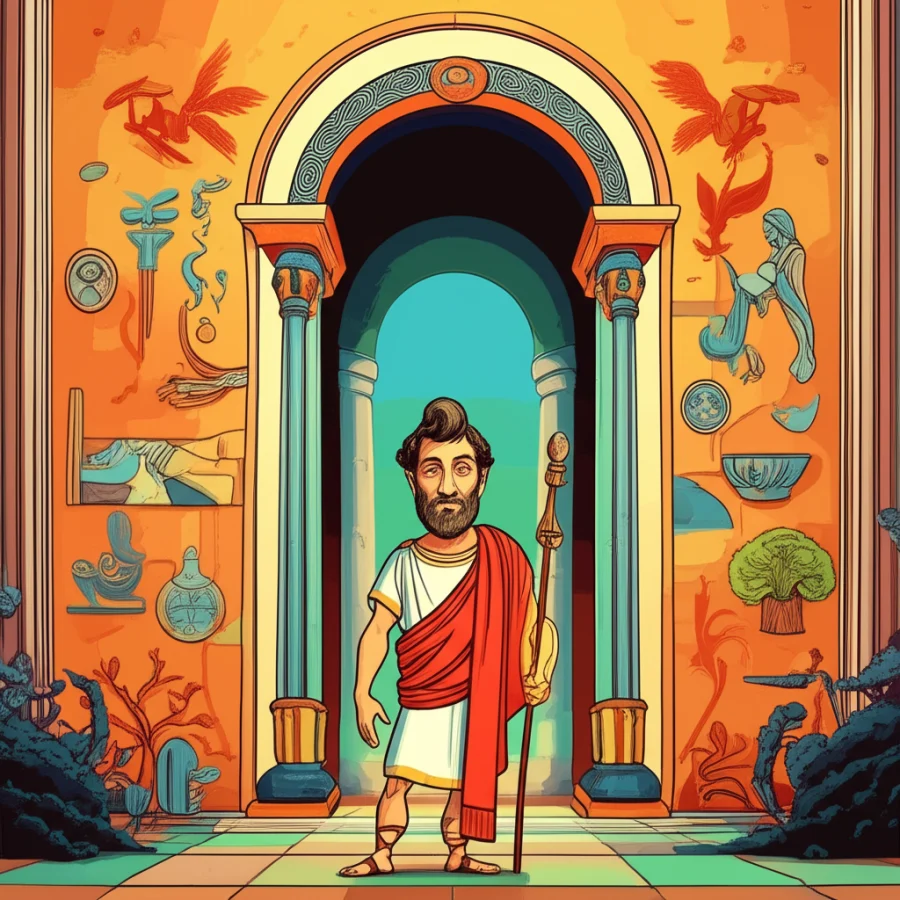
The myth of the Hydra, and indeed the broader pantheon of Olympian gods and monstrous beasts, emerged from the Hellenic civilization that flourished in the Mediterranean thousands of years ago. Ancient Greece was a world of independent city-states, where intellectual pursuit, artistic expression, and athletic prowess were highly valued. For the people of this era, the world was a dynamic stage where powerful, anthropomorphic gods and goddesses resided on Mount Olympus, actively intervening in human affairs. Below them, heroes of extraordinary strength and cunning navigated a landscape filled with both natural wonders and terrifying, supernatural threats.
In this polytheistic society, myths served as foundational narratives, explaining everything from the changing seasons and the origins of humanity to the moral codes and societal structures. People viewed the world as a place imbued with divine will and often unpredictable forces. Monsters like the Hydra were not merely fictional constructs; they personified the untamed wilderness, the chaotic elements of nature, or the seemingly insurmountable challenges that life presented. They were a projection of humanity’s primal fears, given shape and narrative purpose, and their defeat by heroes represented the triumph of order, courage, and ingenuity over chaos and destruction.
The Hydra: A Symbol of Persistent Peril
The creature at the heart of this particular myth is the Hydra, a being of truly monstrous proportions and terrifying attributes. While often associated specifically with the swamps of Lerna, the concept of such a formidable beast posed a challenge worthy of the greatest heroes and, by extension, a decree from the very heights of Olympus itself. The Hydra was typically described as a gigantic, multi-headed serpent, often depicted with seven, nine, or even a hundred heads, each venomous and capable of spitting corrosive bile. Its most infamous characteristic, however, was its horrifying regenerative ability: for every head that was severed, two more would immediately sprout from the gaping wound, making conventional combat utterly futile.
Symbolically, the Hydra was a potent representation of persistent problems, challenges that multiply with every attempt to solve them. It embodied the seemingly endless nature of certain struggles, the way that confronting one aspect of a difficulty can inadvertently create more. Its venom and monstrous form also spoke to the inherent dangers and corruption that threatened the established order, a force of primordial chaos that resisted subjugation. To the ancient Greeks, the Hydra was not a being to be revered, but a force to be overcome, a symbol of the dire threats that heroes, guided by destiny or divine decree, were called upon to vanquish.
The Hunt for the Hydra: A Hero’s Ordeal
The legend tells of a time when the land was plagued by the venomous breath and terror of the Hydra. Its lair, a putrid swamp near a sacred mountain (in some versions, even implying a threat so great it caught the attention of the Olympians), was a place of death and despair. The creature’s destructive power was immense, its very presence a blight upon the mortal realm, demanding a heroic intervention. Thus, the task of slaying this seemingly unconquerable beast fell to a hero whose strength and courage were legendary, often identified as Heracles, undertaking one of his monumental labors decreed by the gods themselves.
The hero, accompanied by his faithful nephew and charioteer, Iolaus, journeyed to the foul swamp, prepared for a battle unlike any he had faced. The air grew thick with the Hydra’s noxious fumes as they approached its den. The creature emerged, a terrifying spectacle of writhing necks and hissing heads, its scales glistening ominously. The hero attacked with unparalleled might, his club smashing against the Hydra’s heads. Yet, with each crushing blow that severed a head, two more immediately burst forth, stronger and more venomous than before. Despair began to creep in; the hero realized that brute force alone would not suffice against such a foe.
It was Iolaus, observing the futility of his uncle’s efforts, who offered a crucial insight. "Uncle," he cried, "your blows only feed its power! We must cauterize the wounds!" Acting swiftly, Iolaus grabbed a burning torch from their chariot and, as the hero severed each head, Iolaus pressed the fiery brand against the stump, searing the flesh and preventing regeneration. One by one, the hero’s strength combined with Iolaus’s quick thinking began to turn the tide. The monster roared in agony, its remaining heads flailing wildly, but the relentless duo pressed their attack. Finally, with the last head severed and its wound cauterized, the colossal serpent slumped lifelessly into the putrid water, its reign of terror brought to an end. The hero then dipped his arrows in the Hydra’s potent venom, ensuring that any future foe struck by them would face a swift and agonizing end.
Symbolism and Meaning: Lessons from the Ancient World
For the ancient Greeks, the story of the Hydra carried profound symbolic weight. It was a powerful metaphor for the challenges that, when confronted haphazardly, only grow larger and more complex. The Hydra’s regenerative heads represented the intricate nature of problems that require not just strength, but also strategic thinking and ingenuity. The hero’s initial failure with brute force, and subsequent success through Iolaus’s clever solution, emphasized the value of intellect and collaboration over mere physical power.
Furthermore, the Hydra symbolized the forces of chaos and evil that threatened the fragile order of human civilization. Its defeat affirmed the human capacity to overcome even the most daunting obstacles through courage, perseverance, and adaptability. The myth also served as a narrative framework for understanding the heroic ideal: a figure who, despite overwhelming odds and even divine displeasure, commits to purifying the world of its monstrous elements, thereby securing safety and prosperity for humanity.
Modern Perspectives: Echoes in Contemporary Culture
Today, the myth of the Hydra continues to resonate, its narrative enduring far beyond its original cultural context. It is widely interpreted in literature, psychology, and popular culture. The "Hydra" has become a pervasive metaphor for any multi-faceted problem that seems to worsen with every attempt to solve it – be it a bureaucratic tangle, a persistent economic crisis, or a complex social issue.
In modern literature, movies, and video games, the Hydra archetype frequently appears as a formidable antagonist or a challenging obstacle, a test of a protagonist’s wit and resilience. From fantasy novels featuring regenerating monsters to strategic games where players must target critical weaknesses, the Hydra’s influence is evident. Academically, the myth is studied as a classic example of archetypal narrative patterns, exploring themes of human ingenuity, the struggle against chaos, and the hero’s journey. It serves as a reminder of the timeless power of storytelling to encapsulate complex ideas and fears in an accessible and engaging format.
Conclusion: A Legacy of Imagination
The hunt for the Hydra, a narrative born from the vibrant imagination of Ancient Greece, stands as a testament to the enduring power of myth. It is a cultural story, rich in symbolism and historical context, offering insights into how ancient peoples understood their world and their place within it. It is crucial to remember that this tale, like all myths, is a product of human creativity, intended to entertain, educate, and explore universal themes, rather than to be believed as literal truth.
As Muslims, we recognize that only Allah (God) is the true Creator and Sustainer of all existence, and that all power, wisdom, and might reside solely with Him. The stories of ancient mythologies, while fascinating and culturally significant, are not to be confused with divine revelation or factual accounts of creation. Instead, they serve as a profound reminder of humanity’s innate capacity for imagination, our timeless quest for meaning, and the universal human tradition of passing down narratives that reflect our deepest fears and highest aspirations. In preserving and understanding these cultural stories, we honor the legacy of human creativity and the rich tapestry of global heritage.