fufufafa
From the mist-shrouded shores of ancient Ireland, where the ceaseless rhythm of the Atlantic shaped both landscape and legend, comes the tale of Manannán mac Lir. This is not a chronicle of historical fact, but rather a vibrant tapestry woven by the imagination of ancient peoples, a story passed down through generations to explain the mysteries of the sea and the ephemeral nature of existence. These narratives, born from a time when the natural world held profound power and spiritual significance, offer a window into the worldview of early Celtic societies.
In those distant eras, the world was a place of potent forces, where the wild, untamed elements were seen as living entities, capable of both benevolence and wrath. The sea, in particular, was a vast, unfathomable expanse, a source of sustenance and peril, a gateway to the unknown. It was within this context of awe and respect for nature’s might that the figure of Manannán mac Lir emerged, a powerful deity associated with the ocean’s depths and its ever-shifting moods.
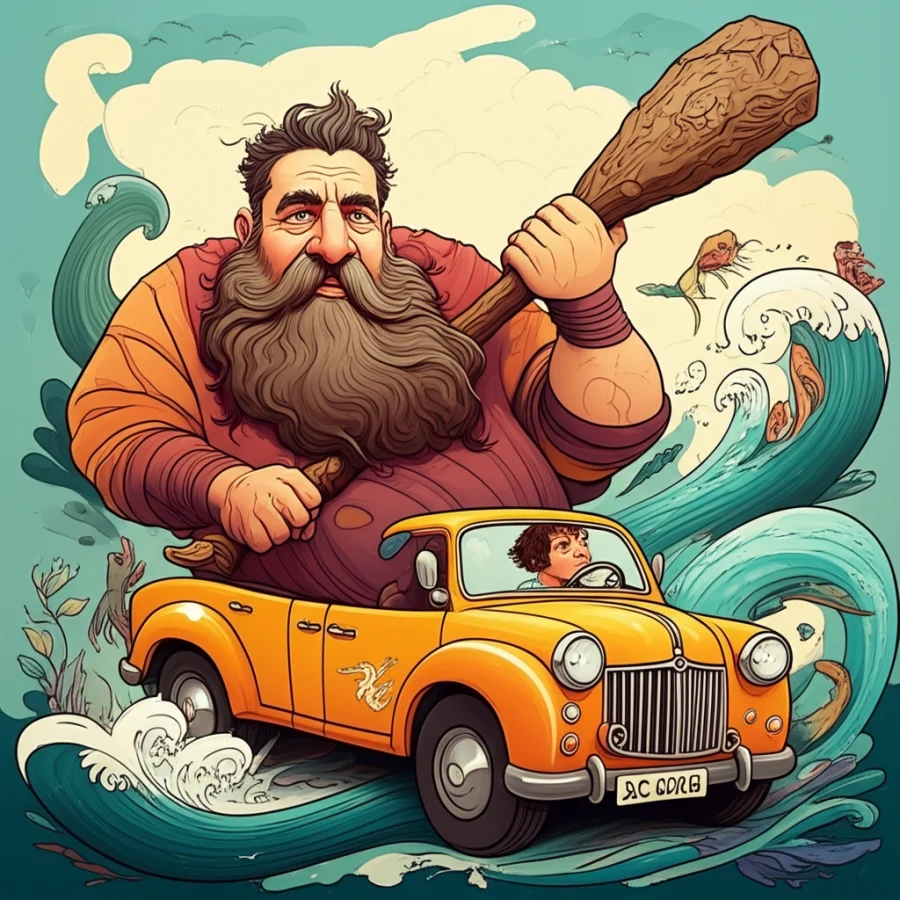
Manannán mac Lir, often depicted as a sea god, was understood by the ancient Celts not as a being to be worshipped in a devotional sense, but as a powerful embodiment of the ocean’s spirit. His attributes were symbolic: his cloak, woven from the mist that rolls in from the sea, represented the ephemeral nature of vision and the hidden truths concealed beneath the surface. His enchanted steeds, swift and untamed, symbolized the unpredictable currents and powerful waves. His magical possessions, such as the sword Lugh, which could cut through any material, and his boat, the Wave-Sweeper, which could travel without sail or oar, spoke of the ocean’s boundless power and the potential for journeys beyond the mortal realm. These were not literal accounts of divine intervention, but rather metaphorical representations of the sea’s awesome power and its profound influence on human life.
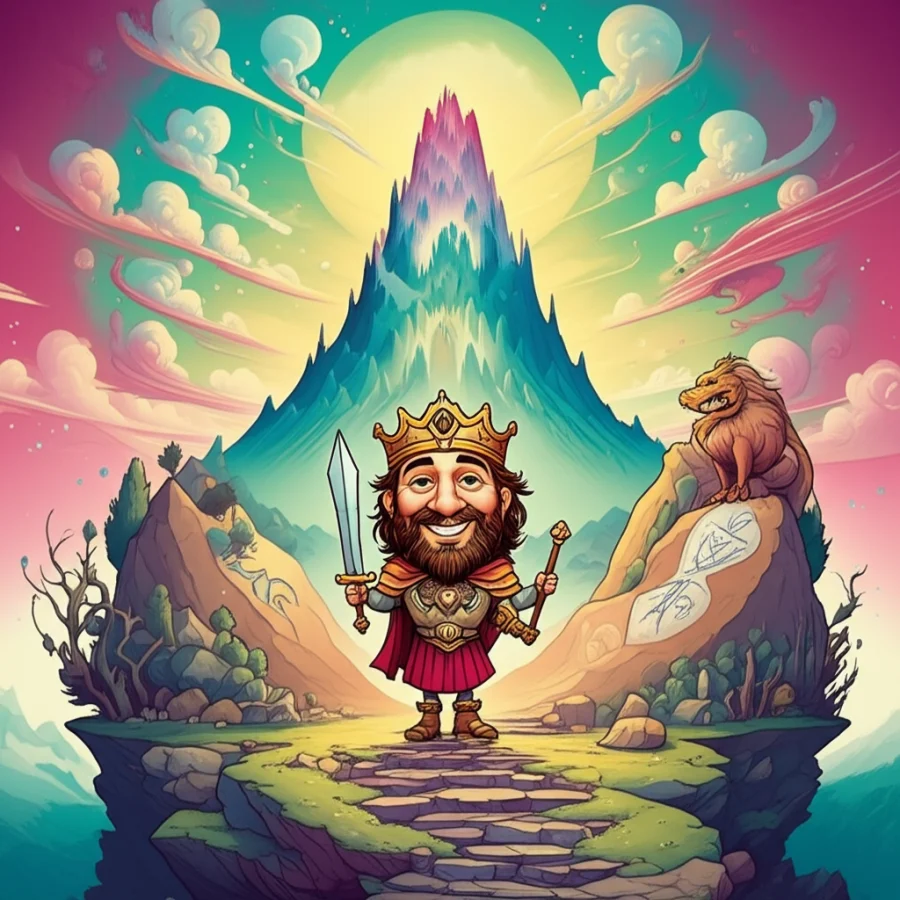
The legend of Manannán mac Lir and the Forgotten City, often whispered in hushed tones by seafarers and storytellers, speaks of a magnificent metropolis that once existed beneath the waves. This city, known by various names in different tellings, was a place of unparalleled beauty and prosperity, a testament to the bounty and mystery of the sea. It is said that Manannán mac Lir, in his dominion over the waters, ruled over this submerged kingdom.
The narrative unfolds as a cautionary tale, a reflection on the fleeting nature of earthly glories and the potential consequences of pride or transgression. The city, it is said, grew to be so splendid and its inhabitants so content that they began to forget the source of their blessings. Some versions suggest they became arrogant, believing their prosperity was solely of their own making, while others hint at a gradual forgetting of the sea god’s presence and power.
As their reverence waned, so too did the city’s magic. The waters, once a source of life and wonder, began to reclaim their domain. The enchanted walls, which had once shimmered with otherworldly light, started to crumble. The city, once a vibrant hub, gradually sank deeper into the ocean’s embrace, its inhabitants scattered or transformed, leaving only the legend of its existence behind. Manannán mac Lir, observing this decline, did not necessarily destroy the city in anger, but rather allowed the natural order of the sea to reassert itself, the ocean reclaiming what was once its own. The forgotten city became a symbol of lost splendor, a poignant reminder that even the grandest creations are subject to the passage of time and the forces of nature.
The symbolism embedded within this myth is rich and multifaceted. The forgotten city can be interpreted as representing the transience of human civilization and the ephemeral nature of material wealth. It serves as a reminder that all things, however magnificent, are subject to decay and eventual disappearance. Manannán mac Lir himself embodies the untamable power of nature, particularly the sea, and the need for humility and respect in the face of such forces. The legend may have also spoken to the ancient Celts’ understanding of the cyclical nature of existence, where periods of growth and prosperity are followed by decline and renewal, often unseen and profound. It was a way of processing the unpredictable nature of life, where good fortune could vanish as quickly as it arrived.
In the modern world, the legend of Manannán mac Lir and the Forgotten City continues to resonate, finding new life in various forms of creative expression. The mystique of a submerged city, ruled by a powerful sea deity, has captured the imagination of authors, filmmakers, and game developers. These reinterpretations often explore themes of lost civilizations, ancient mysteries, and the allure of the unknown depths. Manannán mac Lir himself remains a recognizable figure in modern fantasy literature and role-playing games, his attributes adapted and reimagined to suit new narratives. His story, stripped of its original cultural context, serves as a wellspring of inspiration for tales of adventure and wonder.
It is crucial to reiterate that this narrative, like all myths and legends, is a product of ancient human storytelling. It reflects the beliefs, fears, and hopes of a bygone era, offering valuable insights into cultural heritage and the evolution of human thought. As Muslims, we understand that only Allah is the true Creator and Sustainer of all that exists. We recognize that these ancient tales, while rich in cultural significance and imaginative power, are not to be mistaken for divine truth.
The legend of Manannán mac Lir and the Forgotten City, therefore, stands as a testament to the enduring power of human imagination and the deep-seated human need to understand and explain the world around us. It is a story of the sea’s vastness, of lost glories, and of the natural order. By exploring such traditions, we gain a deeper appreciation for the diverse ways in which humanity has sought meaning and order, celebrating the richness of cultural heritage and the enduring magic of storytelling itself.