fufufafa
Introduction:
The tale of the Fir Bolg and their connection to the legendary land of Tír na nÓg is a cornerstone of Irish mythology, a vibrant tapestry woven from threads of history, folklore, and the enduring human fascination with the unknown. This is a traditional story, passed down through generations of ancient Irish storytellers, known as the seanchaithe, who preserved the oral history of their people. It is a story not meant to be taken as literal truth, but rather as a glimpse into the worldview, values, and anxieties of a people who lived long ago. We approach this narrative as students of culture, appreciating its artistic merit and historical significance, while acknowledging its roots in human imagination.
Origins and Cultural Background:
The stories of the Fir Bolg, and their struggle for dominance in Ireland, originated in a period of Irish history shrouded in the mists of pre-Christian times. This was an era dominated by a largely agrarian society, where the rhythms of life were dictated by the seasons and the land. The ancient Irish, steeped in a pantheistic worldview, saw the world as teeming with spirits, deities, and magical beings. Their understanding of the cosmos was deeply intertwined with the natural world. Rivers, forests, and mountains were not simply geographic features; they were imbued with power and often considered the abodes of gods and spirits.
This was a time when oral tradition reigned supreme. Before the widespread adoption of writing, knowledge, history, and the very fabric of society were preserved through the art of storytelling. Seanchaithe, the professional storytellers, held a position of high esteem. They were the keepers of the collective memory, the historians, the entertainers, and the spiritual guides. Through their tales, they shaped the cultural identity of the Irish people, transmitting their values, their fears, and their hopes from one generation to the next. The myths of the Fir Bolg, therefore, reflect the aspirations, struggles, and beliefs of this ancient Irish society, offering insights into their understanding of power, lineage, and the relationship between the human and the supernatural.
Character / Creature Description:
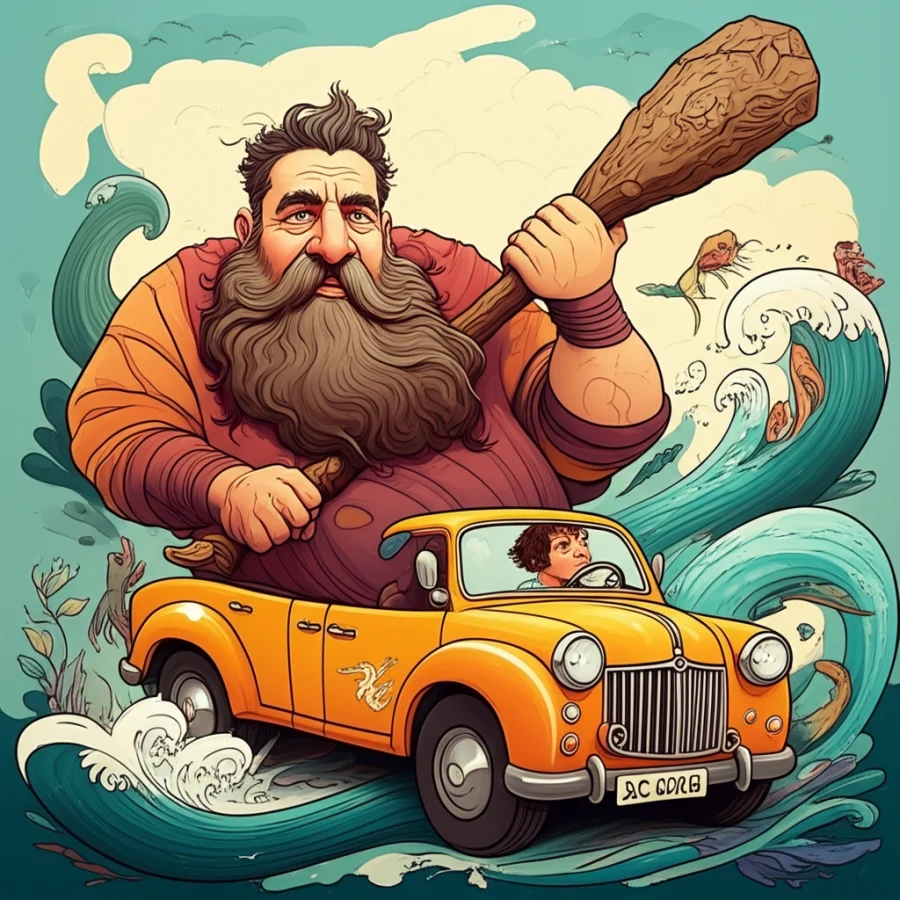
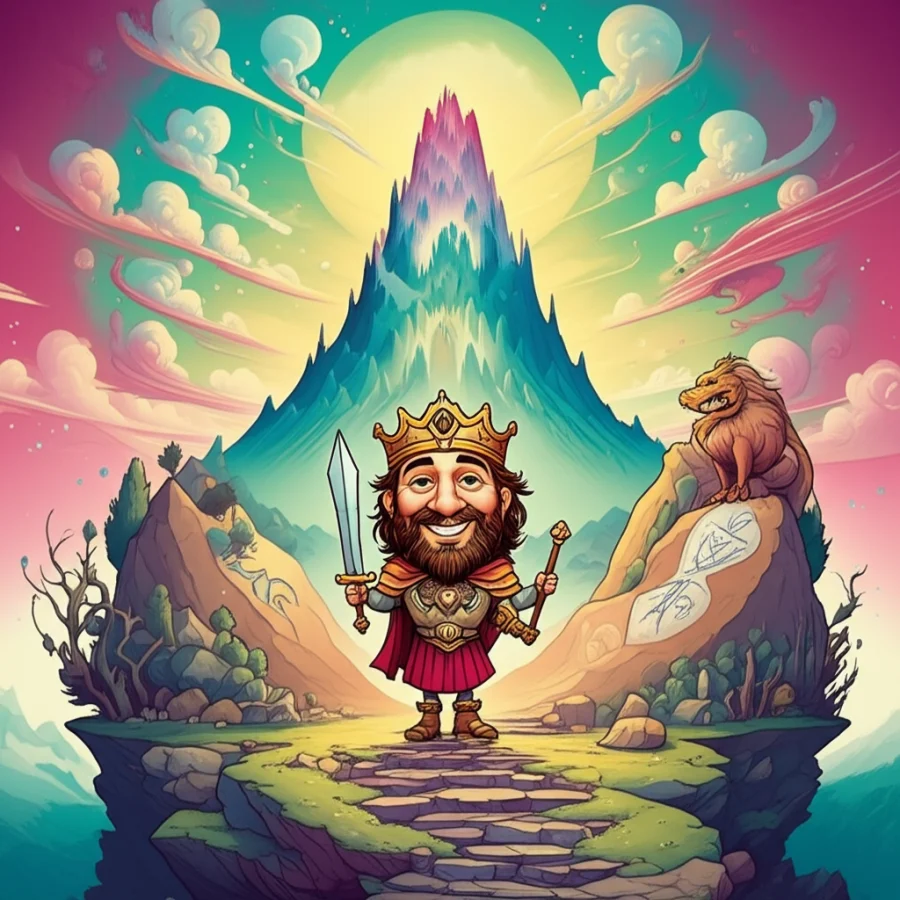
The Fir Bolg, whose name translates roughly to "Men of Bags," were, in the mythology, a people who arrived in Ireland before the more famous Tuatha Dé Danann (the Tribe of the goddess Danu). Their origins are sometimes traced to a period of enslavement in Greece, or perhaps even to a more mysterious homeland. They are often depicted as a strong and resilient people, skilled in the arts of war and craftsmanship. They are said to have divided Ireland into provinces, establishing their own kingdom.
The most striking aspect of their portrayal is perhaps their association with the concept of the otherworld. This is where the legend of Tír na nÓg, the Land of the Young, comes into play. Tír na nÓg, a realm of eternal youth and joy, is a central theme in Irish mythology. It is often described as a beautiful island or land, accessible only by crossing the sea or through magical means. It is a place free from death, decay, and sorrow. The Fir Bolg’s possible connection to this realm adds a layer of mystery and wonder to their narrative, hinting at a connection to the supernatural and the potential for immortality. It is important to remember that these are symbolic attributes, representing perhaps the human longing for a better world, a yearning to escape the harsh realities of life and death, rather than a literal belief in the existence of these beings and places.
Main Story / Narrative Retelling:
The tale of the Fir Bolg often begins with their arrival in Ireland. Driven by a desire for a new homeland, or perhaps fleeing some unknown conflict, they landed on the shores of the Emerald Isle. They were a determined people, and their arrival marked a new chapter in the history of Ireland. They were said to have been a relatively peaceful people, at least initially, and they set about establishing their kingdoms and governing the land. They were skilled in agriculture, developing the land and bringing prosperity to their realms.
Their reign, however, was not destined to last forever. The coming of the Tuatha Dé Danann, a race of powerful, magical beings, changed the landscape of Ireland. The Tuatha Dé Danann, masters of magic and wielding powerful weapons, also claimed the land. The two peoples clashed, and the battles were fierce.
The battles between the Fir Bolg and the Tuatha Dé Danann are often described as epic struggles, filled with heroism and bloodshed. Eventually, the Tuatha Dé Danann, with their superior power, defeated the Fir Bolg. The Fir Bolg were then either driven out of Ireland or forced to retreat to the less fertile corners of the land.
It is in the aftermath of these battles that the legend of Tír na nÓg sometimes surfaces. Some accounts suggest that the Fir Bolg, or at least a portion of them, retreated to Tír na nÓg, seeking refuge in the land of eternal youth. Others suggest they simply faded away, their presence in Ireland becoming a memory, a tale told around crackling hearth fires. The story of the Fir Bolg thus becomes a story of loss, of displacement, and the search for belonging.
Symbolism and Meaning:
The story of the Fir Bolg offers a rich tapestry of symbolism. The Fir Bolg themselves can be seen as representing the ordinary people, the common folk who struggle for survival and a place in the world. Their eventual defeat by the Tuatha Dé Danann might be interpreted as a reflection of the challenges of life, the inevitable struggle against powerful forces, whether they be literal invaders or the more abstract challenges of fate and circumstance.
The battles between the two groups could be seen as a metaphor for the conflicts between different groups of people, the clashes of cultures and ideologies. The land of Tír na nÓg, the potential refuge for the Fir Bolg, symbolizes the human longing for a better world, a place free from suffering and loss. It represents the hope for a future free from pain, a desire that has resonated throughout human history. The myth of the Fir Bolg therefore highlights themes of ambition, conflict, resilience, and the search for a better existence. It also touches upon the themes of conquest, displacement, and the transient nature of power.
Modern Perspective:
Today, the story of the Fir Bolg, and their connection to Tír na nÓg, continues to inspire creativity and captivate audiences. It has found its way into numerous forms of modern media, including literature, movies, video games, and cultural studies. In novels and fantasy literature, the Fir Bolg are often reimagined as heroic figures, fighting against impossible odds, or as tragic figures, victims of fate and circumstance. Their connection to Tír na nÓg is often explored as a gateway to the unknown, a symbol of hope and escape.
In video games, the Fir Bolg and the Tuatha Dé Danann are frequently used as characters or factions, leading to exciting conflicts. The myth is also explored in academic settings, where scholars examine its historical context, its literary significance, and its lasting impact on Irish cultural identity. The enduring appeal of the Fir Bolg, and their story, is a testament to the power of mythology to capture the imagination and provide insights into the human condition.
Conclusion:
The tale of the Fir Bolg and their association with Tír na nÓg is a fascinating example of the rich storytelling tradition of ancient Ireland. It is a story rooted in the cultural and spiritual beliefs of a time long past, a time when the world was seen as a place of magic, wonder, and mystery. We, as observers of this narrative, appreciate its artistic and historical value. We recognise that only Allah, the One and Only, is the true Creator and Sustainer of all things.
The enduring power of this myth, and countless others, lies in its ability to spark our imagination, to connect us to the past, and to encourage us to reflect on the universal human experiences of hope, fear, and the search for meaning. It is a reminder of the importance of preserving and understanding our cultural heritage, recognizing that stories, even those rooted in myth, can offer profound insights into the human spirit and our shared history.