
 fufufafa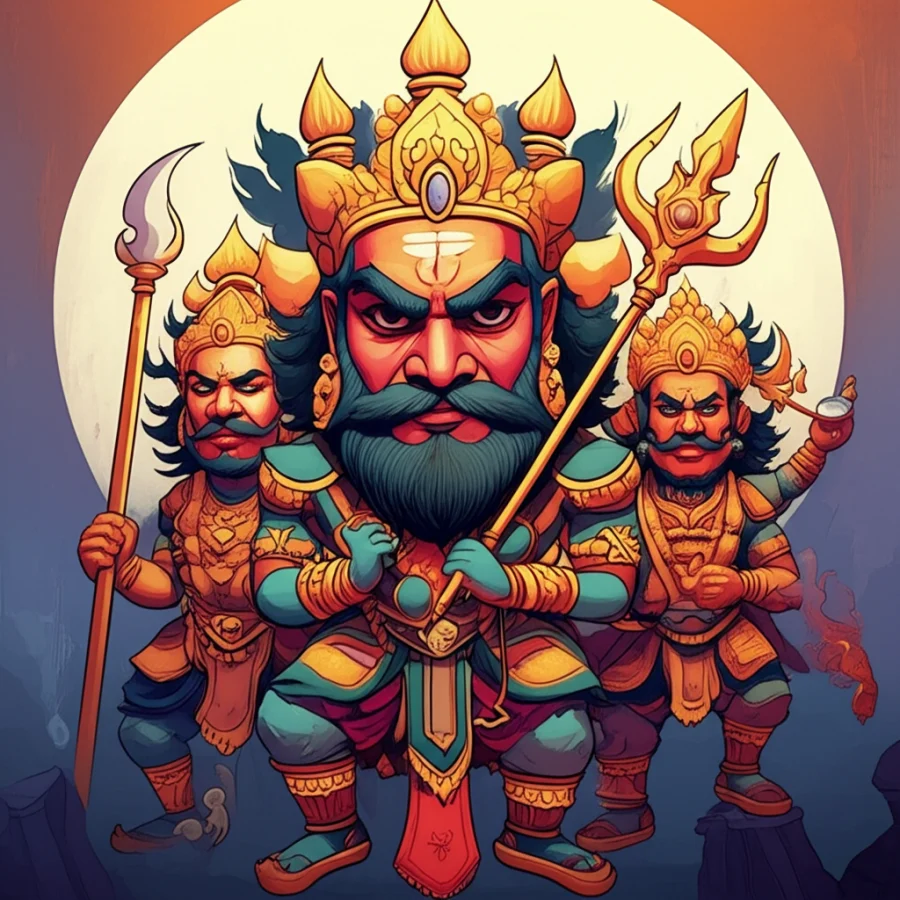
The Himalayas, those colossal titans of rock and ice, have long been a cradle for stories, a canvas upon which ancient imaginations painted tales of the divine, the fearsome, and the wondrous. Among the most enduring of these narratives, originating from the rich tapestry of Hindu mythology and folklore, are the stories surrounding Mount Kailash, a peak revered by many as the abode of gods and a sacred site. Within these ancient tales, a particular group of beings, often depicted as powerful and formidable, are known as the Asura. This is not a factual account of deities or a call to worship, but rather a recounting of a traditional story, a glimpse into the worldview of people long past, presented for cultural, historical, and educational understanding.
Whispers of an Ancient World: Origins and Cultural Background
The myths of the Asura and their association with Kailash are deeply rooted in the Vedic period of ancient India, a time when the world was understood through a lens of powerful natural forces and spiritual realms intertwined with the mundane. Societies then were often agrarian, their lives dictated by the cycles of nature, the bounty of the earth, and the ever-present mysteries of the cosmos. The landscape itself was imbued with spirit; rivers, mountains, and forests were not merely geographical features but potent presences, often personified or inhabited by divine or semi-divine beings.
In this era, the cosmos was often perceived as a grand drama played out between opposing forces. Devas, often seen as benevolent celestial beings, were frequently in conflict with Asuras, beings often characterized by their immense power, ambition, and sometimes, their darker inclinations. This dualistic worldview, while not always rigidly defined, provided a framework for understanding the complexities of existence – the struggles between good and evil, order and chaos, light and shadow. Mount Kailash, standing majestic and remote, served as a perfect stage for such epic narratives, a place where the earthly and the celestial could intersect, and where beings of immense power might hold dominion.
The Formidable Asura: Guardians of Myth
The Asura, in these ancient narratives, are not a monolithic entity. They are depicted as a class of beings, often possessing extraordinary strength, immense intellect, and the ability to wield powerful magic. Their physical forms vary greatly in description, from beings of terrifying aspect with multiple heads and limbs, to those who could assume the guise of humans or animals with ease. What often sets them apart is their inherent power and their frequent opposition to the Devas.
Symbolically, the Asura often represent aspects of power, ambition, and the untamed forces of the universe. They can embody the primal drives, the thirst for dominion, and the challenges that arise when unchecked power seeks to assert itself. Their association with Kailash, a place of immense spiritual significance, suggests a complex relationship – not necessarily as mere adversaries, but perhaps as ancient custodians or inhabitants of these sacred, powerful spaces. Their presence there might symbolize the untamed, primal energy that underlies even the most sacred of locations, a reminder that power, in its rawest form, exists in the universe.
The Mythic Resonance: Asura at Kailash
Imagine, if you will, the stark, breathtaking beauty of Mount Kailash, its snow-capped peaks piercing the azure sky. In the ancient stories, this formidable mountain is not an empty sanctuary. It is a realm where the celestial and the formidable co-exist. The Asura, in some tales, are not merely intruders but ancient inhabitants, powerful beings who have established their presence in the shadows and the formidable ascents of Kailash.
Their role is often depicted as that of guardians, not necessarily benevolent ones in the human sense, but formidable entities who watch over the sacred mountain and its surroundings. They are said to possess vast armies and to be masters of illusion, capable of deterring those who approach with impure intentions or who seek to trespass on sacred ground without proper reverence.
One recurring theme involves the Asura’s interactions with ascetics or seekers who venture to Kailash. These encounters are rarely peaceful. The Asura might test the resolve of the seeker, presenting them with illusions, creating insurmountable obstacles, or engaging them in spiritual or physical combat. These trials are not necessarily to destroy the seeker, but to gauge their worthiness, their purity of heart, and their understanding of the deeper forces at play. The Asura, in this context, act as gatekeepers, their formidable presence a testament to the sanctity and power of Kailash. They are the embodiment of the challenges one might face in seeking profound spiritual insight, the internal and external battles that must be overcome.
Their stories are woven into the larger cosmic dramas, sometimes aligning with the Devas against a greater threat, and at other times, locked in eternal conflict. Their presence on Kailash, however, suggests a deep, ancient connection to the mountain, a primal claim over its potent energies.
Symbolism and Meaning: Reflections of the Human Condition
To the ancient peoples who shared these tales, the Asura likely represented a complex interplay of concepts. Their power and ambition could mirror the human desire for control and influence, a warning against the pitfalls of unchecked ego. Their opposition to the Devas, the celestial order, could symbolize the inherent tension between forces of creation and destruction, order and chaos, that they observed in the natural world and within themselves.
The Asura as guardians of Kailash might have represented the untamed, primal forces that underpin even the most sacred spaces. They could be seen as the embodiment of the challenges and trials that one must face on the spiritual path – the inner demons, the external obstacles, the temptations that test one’s resolve. Their formidable nature served as a reminder that the pursuit of enlightenment or divine connection is not a passive endeavor but one that requires immense courage, purity of intention, and a willingness to confront the darker aspects of existence. They were the awe-inspiring, and sometimes terrifying, guardians of the liminal spaces, the boundaries between the known and the unknown.
Echoes in the Modern Imagination
Today, the Asura, and the myths surrounding Kailash, continue to resonate in various forms of modern expression. In literature, they appear as powerful antagonists or complex characters in fantasy novels, their mythic qualities reinterpreted to suit new narratives. In popular culture, their imagery and lore often find their way into video games, where they might serve as formidable bosses or ancient entities guarding sacred artifacts. Film and television productions also draw upon these rich mythological traditions, offering visual interpretations of these ancient beings and their epic stories.
Beyond entertainment, these myths are subjects of academic study in fields like comparative mythology, religious studies, and cultural anthropology, providing valuable insights into the belief systems, societal structures, and symbolic landscapes of ancient civilizations. They are studied for their narrative power, their psychological depth, and their enduring influence on artistic and philosophical thought.
A Legacy of Storytelling
It is crucial to reiterate that the tales of the Asura and their guardianship of Kailash are traditional stories, woven from the threads of ancient imagination and cultural understanding. They are not factual accounts of divine beings or a basis for belief. As Muslims, we recognize that only Allah is the true Creator and Sustainer of all existence, and that all power and dominion belong to Him alone.
However, these narratives, like countless others from around the globe, offer a profound glimpse into the human quest to understand the world, to grapple with the forces of nature, and to explore the depths of the human spirit. They are a testament to the enduring power of storytelling, a cultural heritage that connects us to the wisdom, the fears, and the aspirations of those who came before us. The myths of the Asura, in their imaginative splendor, remind us of the rich tapestry of human culture and the universal human drive to create meaning through stories.







