fufufafa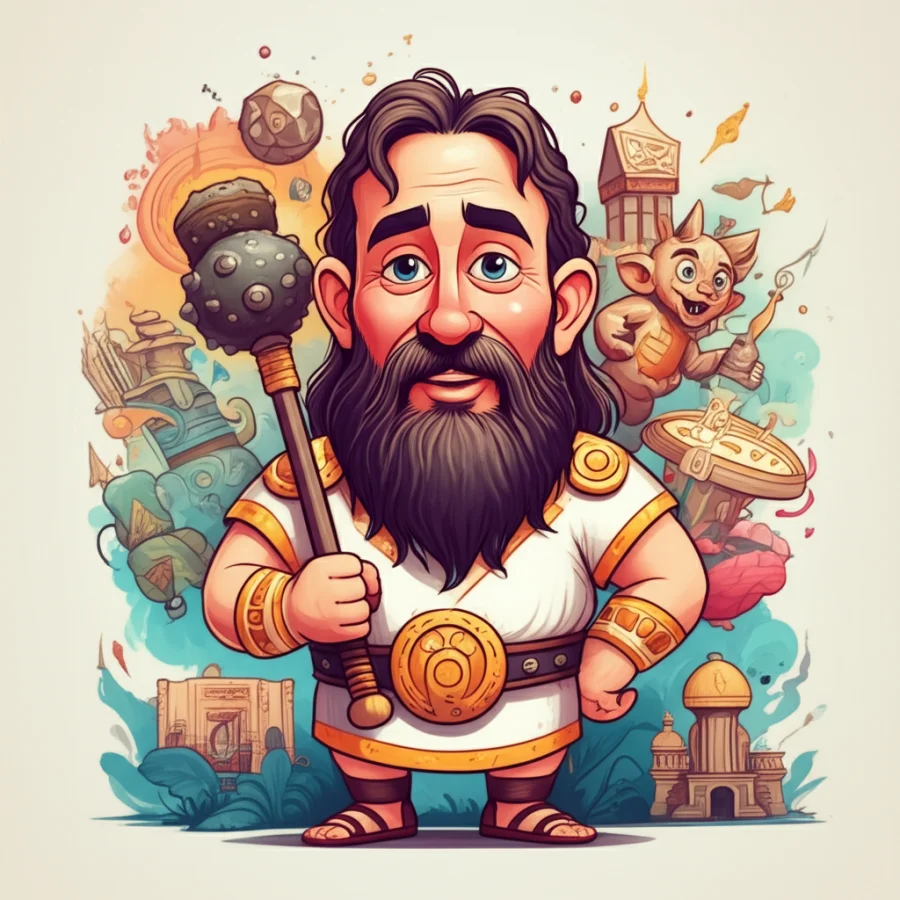
Introduction:
The tale of Dagda, the "Good God" of the Tuatha Dé Danann, is a cornerstone of Irish mythology, a vibrant tapestry woven from the threads of ancient beliefs and storytelling. This narrative, passed down through generations of Irish bards and storytellers, offers a glimpse into the world of the Celtic people, a world populated by gods and goddesses, heroes and villains, and imbued with the magic of the land. It is a traditional story, a vibrant expression of the cultural heritage of the ancient Celts, not a claim of truth or divine power. This is a story to be examined, understood, and appreciated for its cultural significance.
Origins and Cultural Background:
The era in which the Dagda’s story flourished was a time of vibrant oral tradition. The Celts of ancient Eire (Ireland) lived in a society deeply connected to the natural world. Their understanding of the universe was cyclical, mirroring the seasons and the phases of life. The landscape itself, with its rolling hills, dense forests, and unpredictable weather, held a sacred significance. They believed in a pantheon of gods and goddesses who governed various aspects of life, from fertility and war to healing and craftsmanship. These deities were not seen as distant, all-powerful beings in the same way as in Abrahamic religions, but as powerful forces intimately involved in the affairs of humans.
The role of the filid (poets) and druids (priests and scholars) was central to this society. They were the keepers of knowledge, the historians, and the storytellers. They preserved and disseminated myths, legends, and genealogies, ensuring the continuity of cultural identity. The stories were not just entertainment; they served as moral compasses, historical records (however embellished), and vehicles for understanding the world. The concept of the afterlife was also a significant aspect of Celtic belief. They believed in the existence of otherworlds, accessible through various portals, where the souls of the departed resided. These beliefs influenced their practices, their sense of morality, and their understanding of their place in the universe.
Character/Creature Description: Dagda, the Good God
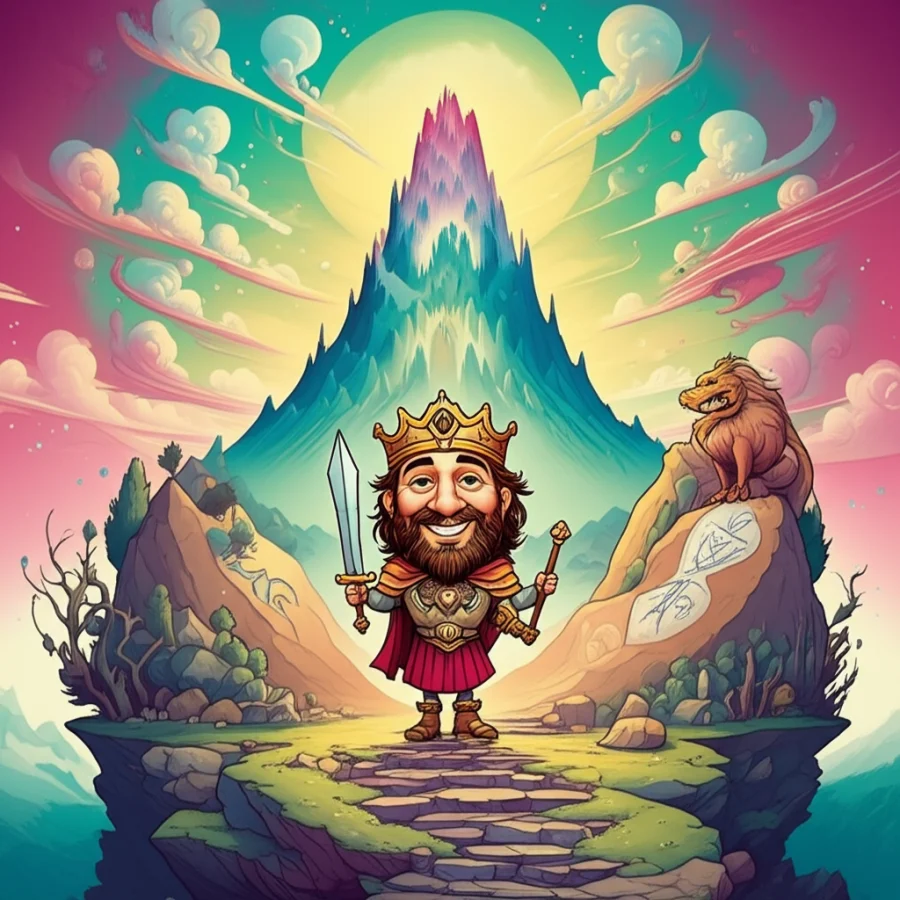
Dagda, the name itself meaning "Good God" or "Great God," was the chief deity of the Tuatha Dé Danann. He was a complex figure, representing a blend of power, abundance, and wisdom. Depicted as a father figure, he was often portrayed as a burly, imposing figure, wielding a massive club capable of both killing and resurrecting. He was associated with fertility, harvest, and plenty.
Symbolically, Dagda embodies the multifaceted nature of leadership and the importance of balance. His club represents strength and authority, while his cauldron of plenty, the Coire Ansic (the cauldron of unfailing abundance), symbolizes generosity and provision. He also possessed a magical harp, the Uaithne, whose music could control the seasons, influence emotions, and even bring order to chaos. He was not, however, a perfect figure; his earthy nature and appetite for food and drink were often highlighted, reflecting a human-like quality that made him relatable. The Dagda was a symbol of the interconnectedness of all things and the responsibility that comes with power.
Main Story/Narrative Retelling: The Chronicle of Dagda and the Sacred Temple
In the mists of ancient Eire, before the arrival of the Milesians, when the Tuatha Dé Danann held dominion over the land, the Dagda ruled from the sacred hill of Brú na Bóinne. This was not merely a dwelling, but a nexus of power, a place where the veil between the worlds thinned, and the energies of the land converged. At the heart of Brú na Bóinne stood the Sacred Temple, a structure of immense stone, its walls etched with the stories of the past and the hopes of the future.
One day, a shadow fell upon the land. A dark force, embodied in the form of a cruel Fomor, Balor, sought to usurp the power of the Tuatha Dé Danann and claim the land for his own. Balor, with his single, evil eye, held the power of destruction. He could unleash a gaze that could wither the strongest warriors and lay waste to the land.
Dagda, sensing the impending threat, gathered his people. He knew that the only way to defeat Balor was to unite the scattered tribes and fortify their defenses. He called upon the craftsmanship of Goibniu, the smith, to forge weapons of unparalleled power, and he sought the guidance of the Morrígan, the goddess of war and fate, for her wisdom in battle.
As the armies of the Fomor surged towards Brú na Bóinne, the Dagda led his forces. He stood at the forefront, his massive club raised, a symbol of hope and defiance. The air crackled with anticipation as the two armies clashed. The battle was fierce and bloody. Warriors fell on both sides, and the fate of the land hung in the balance.
Amidst the chaos, the Dagda fought with the strength of a hundred men. He used his club to break through the enemy lines, clearing a path for his comrades. But Balor was a formidable foe. He unleashed the power of his single eye, and the land trembled.
It was Lugh, the Dagda’s grandson, skilled in all arts, who finally saw an opportunity. He managed to strike down Balor with a well-aimed stone, striking the evil eye and ending his reign of terror.
With Balor defeated, the tide of the battle turned. The Tuatha Dé Danann, emboldened by their victory and inspired by the Dagda’s leadership, pushed back the Fomor, driving them from the land. The Sacred Temple, though scarred by the fighting, stood firm, a testament to the resilience of the Tuatha Dé Danann and the enduring power of their beliefs.
After the battle, the Dagda returned to Brú na Bóinne. He used his magical harp, the Uaithne, to heal the wounded and restore the land. He opened the Coire Ansic to feed his people and to ensure that all would be provided for. The Sacred Temple became a place of healing, a place of remembrance, and a place where the people reaffirmed their connection to the land and to each other.
Symbolism and Meaning:
The story of Dagda and the Sacred Temple offers rich symbolism. The Dagda’s role as a leader signifies the importance of strength, wisdom, and generosity in governance. His connection to fertility and abundance highlights the reliance of the ancient Celts on the bounty of the land. The Sacred Temple itself represents the spiritual center of the community, a place of connection to the divine and a repository of knowledge and history. The battle against Balor can be interpreted as a struggle between light and darkness, order and chaos, or perhaps a representation of the challenges that the ancient people faced. It is a story about community, sacrifice, and ultimately, triumph over adversity.
Modern Perspective:
The myth of Dagda and the Sacred Temple continues to resonate in modern times. It has inspired countless works of literature, from fantasy novels to historical fiction. The imagery of the Dagda, the Sacred Temple, and the battles of the Tuatha Dé Danann is readily apparent in movies, games, and art. The story has been interpreted and reinterpreted, offering new perspectives on themes of leadership, morality, and the human condition. In cultural studies, the story is analyzed as a window into the beliefs and values of the ancient Celts.
Conclusion:
The Chronicle of Dagda and the Sacred Temple remains a vibrant testament to the rich cultural heritage of ancient Ireland. This story, passed down through generations, gives a glimpse into the world of the ancient Celts, a world filled with magic, myth, and a deep connection to the land. It is a story to be examined, understood, and appreciated for its cultural significance.
As Muslims, we acknowledge that only Allah is the true Creator and Sustainer, and we do not ascribe divinity to any other being. We believe in one God, the source of all existence. However, we also recognize the value of exploring and understanding the stories of different cultures. The narratives of the past, even those rooted in myth, offer valuable insights into the human experience, the power of imagination, and the enduring legacy of storytelling. The story of Dagda, the Sacred Temple, and the Tuatha Dé Danann is one such story, a reminder of the power of cultural heritage, the beauty of imagination, and the enduring human need to create narratives that explain the world around us.