fufufafa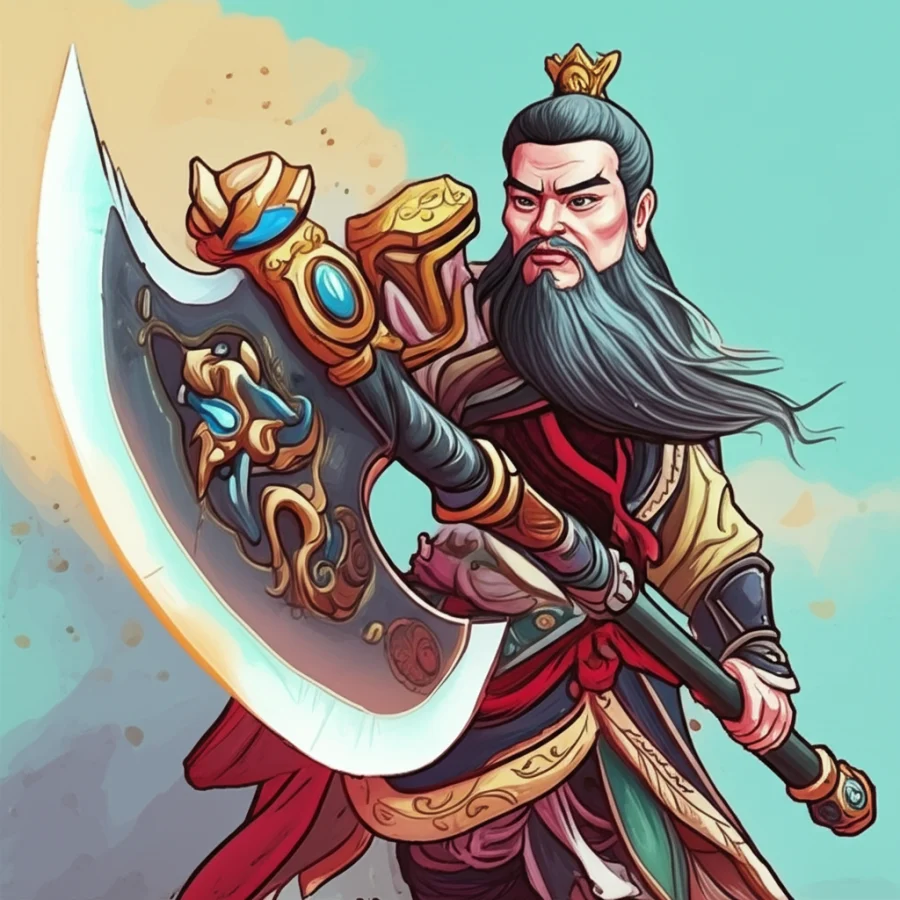
Introduction:
The story of Erlang Shen and his Heavenly Axe hails from the rich tapestry of Chinese mythology, a tradition that flourished for millennia across the vast lands of ancient China. Passed down through generations, these tales were not seen as historical fact in the modern sense, but as narratives crafted by people to explain the world around them, to understand the forces of nature, and to grapple with the complexities of human experience. This is a story of gods, demons, and celestial battles, a story designed to ignite the imagination and transmit cultural values. It is a story to be appreciated for its artistry and the insight it offers into the beliefs and perspectives of those who first shared it.
Origins and Cultural Background:
The myths of Erlang Shen took root during a period of immense change and cultural flowering in China. The specific era that gave birth to the most elaborate versions of the tale is difficult to pinpoint exactly, but it likely evolved over centuries, with roots in ancient folk beliefs and philosophies like Taoism and Confucianism. This was a time when the world was viewed through a lens of interconnectedness. The cosmos was seen as a vast and ordered system, governed by the interactions of Heaven, Earth, and humanity. Nature was not simply a collection of inanimate objects; it was imbued with spirits, gods, and demons, all playing their roles in the cosmic drama. Emperors were considered to be the “Sons of Heaven,” tasked with maintaining harmony on Earth, reflecting the celestial order above. The stories of Erlang Shen, with their emphasis on celestial battles and moral struggles, likely served to reinforce this sense of cosmic order and the importance of adhering to societal values. The myths were transmitted through oral storytelling, theatrical performances, and eventually, written texts, solidifying their place in the collective consciousness. The focus was on living a life in harmony with the natural world and with the spirits, as well as maintaining social order and respect for authority.
Character / Creature Description:
Erlang Shen, also known as Yang Jian, is a powerful and complex figure. He is often depicted as a god of war, a celestial general, and a skilled warrior. He is frequently portrayed with a third eye in the center of his forehead, granting him enhanced vision and the ability to see through illusions and perceive the true nature of things. This third eye is a potent symbol of insight, wisdom, and divine perception. He is often accompanied by a loyal celestial dog, known as the Xiao Tian Quan (哮天犬), a creature of great strength and loyalty. Erlang Shen’s weapon of choice is the San Jian Liang Ren Dao (三尖兩刃刀), a distinctive halberd with a three-pointed blade and two edges, often referred to as the Heavenly Axe. This weapon is not merely a tool for combat; it represents his power, his authority, and his connection to the heavens. He is often depicted as a stern and disciplined figure, dedicated to upholding justice and protecting the innocent. He is also a complex character, burdened by his family’s past and often operating outside the strictures of the celestial court. His struggles, his strength, and his unwavering commitment to his principles make him a compelling figure in Chinese mythology.
Main Story / Narrative Retelling:
The most well-known narratives surrounding Erlang Shen place him in conflict with the Monkey King, Sun Wukong, the rebellious protagonist of the epic Journey to the West. The story goes that Sun Wukong, having achieved immortality and wielding immense power, wreaked havoc in Heaven, challenging the authority of the Jade Emperor. The celestial armies, unable to subdue the Monkey King, called upon Erlang Shen.
Erlang Shen, descending from his mountain retreat, faced Sun Wukong in a fierce and legendary battle. The clash between these two powerful figures shook the very heavens. Erlang Shen, wielding his Heavenly Axe, fought with unparalleled skill and determination. The battle was a whirlwind of magical attacks, transformations, and strategic maneuvers. Sun Wukong, with his seventy-two transformations and his golden staff, proved a formidable opponent, but Erlang Shen, aided by his third eye and the loyal Xiao Tian Quan, was able to outmaneuver him. He used his superior combat skills and strategic thinking to trap the Monkey King. After a prolonged and exhausting fight, Erlang Shen, with the assistance of other celestial beings, finally managed to capture Sun Wukong, who was then imprisoned under a mountain.
But Erlang Shen’s story extends beyond this single confrontation. He is also involved in other battles against demons and monsters that threaten the mortal realm. He is often portrayed as a righteous figure, dedicated to protecting the innocent and upholding the principles of justice. He is also known for his compassion. In some versions of the story, he is said to be the nephew of the Jade Emperor, although he often operates independently, following his own sense of right and wrong. He retreats to his mountain, guarding the land and the people.
Symbolism and Meaning:
The story of Erlang Shen and the Heavenly Axe offers a rich tapestry of symbolism and meaning. Erlang Shen’s third eye represents insight, wisdom, and the ability to see beyond superficial appearances. It signifies the importance of looking beyond the surface to understand the true nature of things. His Heavenly Axe symbolizes his power, authority, and connection to the celestial realm. The weapon itself can be seen as an extension of his will, a tool for both creation and destruction. The battle against Sun Wukong can be interpreted as a conflict between order and chaos, between authority and rebellion. It highlights the importance of maintaining social harmony while recognizing the potential for disruptive forces. Erlang Shen’s role as a protector reflects the cultural emphasis on justice, righteousness, and the responsibility of leaders to safeguard their people. His struggles with family and his independent nature speak to the complexities of individual morality and the challenges of navigating societal expectations.
Modern Perspective:
The story of Erlang Shen and the Heavenly Axe continues to resonate in modern times. It is a popular subject in literature, comics, movies, and video games. He is often portrayed as a powerful and heroic figure, a symbol of strength, wisdom, and justice. His battles are depicted with elaborate special effects, showcasing the fantastical world of Chinese mythology. In cultural studies, the story is analyzed for its historical context, its symbolic meanings, and its impact on Chinese identity. The character is often reinterpreted, adapted, and modernized, reflecting contemporary values and perspectives. The enduring popularity of Erlang Shen demonstrates the continued relevance of these ancient myths and their ability to capture the imagination of audiences across generations.
Conclusion:
The tale of Erlang Shen and the Heavenly Axe, like all myths, is a cultural artifact, a product of the collective imagination of a people. It is a story designed to entertain, to teach, and to provide a framework for understanding the world. We, as Muslims, recognize the ultimate power and sovereignty belong solely to Allah, the one true Creator and Sustainer. However, we can appreciate the beauty and artistry of these ancient narratives, recognizing them as valuable expressions of human creativity and cultural heritage. The stories of Erlang Shen, with their celestial battles, their moral lessons, and their enduring appeal, offer a glimpse into the rich history of Chinese culture and the timeless power of storytelling. They remind us of the enduring human fascination with the forces of nature, the complexities of human relationships, and the search for meaning in a world both wondrous and challenging.