fufufafa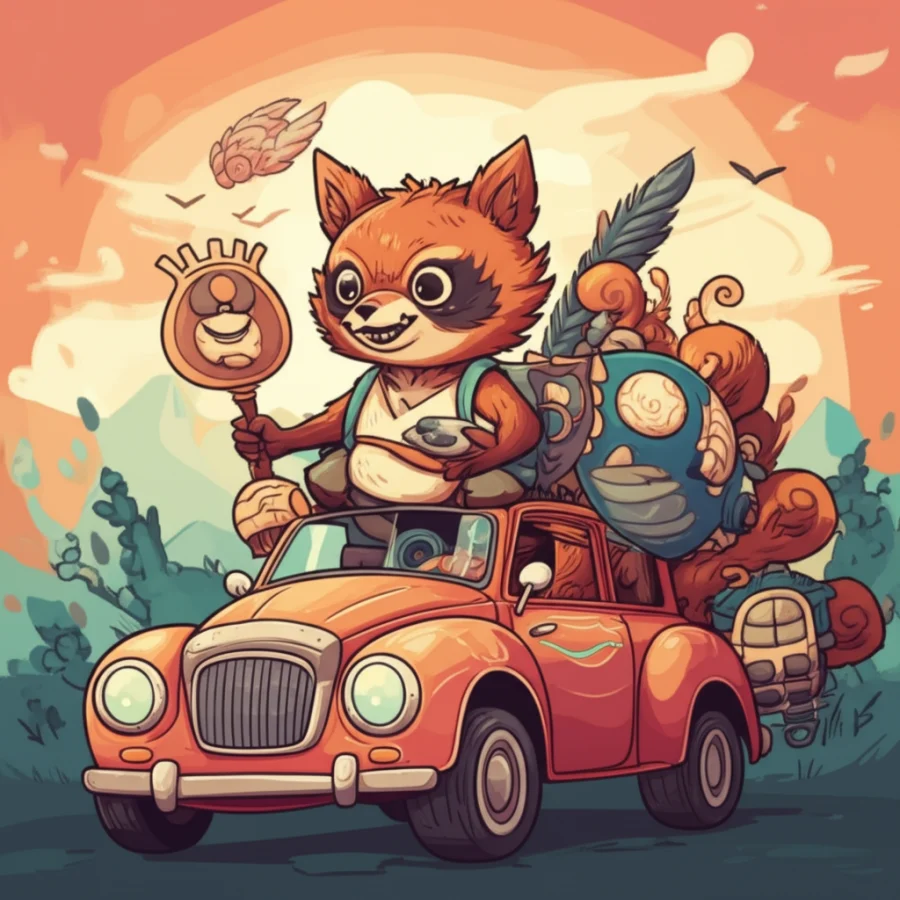
Deep within the misty valleys and ancient cedar forests of Japan, where the Shinto gods were said to tread and spirits danced in moonlit clearings, stories of the tanuki have echoed for centuries. These tales, woven from the threads of folklore and passed down through generations, offer a fascinating glimpse into the imaginative world of ancient Japanese people. It is important to understand that these are traditional stories, born from the human desire to explain the inexplicable and find meaning in the natural world, and not to be taken as factual accounts or divine mandates.
The genesis of these narratives lies in a Japan of bygone eras, a land where the boundaries between the human and the spiritual were fluid. In a time before widespread scientific understanding, natural phenomena were often attributed to the actions of unseen forces. The rustling of leaves in the wind might be the whisper of a forest spirit, the sudden appearance of a mischievous creature a playful trick of the divine. This worldview, steeped in animism and reverence for nature, fostered a rich tapestry of mythology. The Japanese people lived in close communion with the land, their lives dictated by the rhythms of the seasons, the bounty of the earth, and the potential dangers lurking in the wild. It was within this context of deep respect for the natural world, and a belief in its inherent sentience, that tales of the tanuki began to take root.
The tanuki, in these traditional stories, is depicted as a creature of fascinating duality. Often described as a medium-sized, dog-like mammal, its most striking features were frequently exaggerated in the realm of folklore. Prominent among these was a comically large, bulbous belly, often said to be capable of expanding to an astonishing size. Another iconic attribute was its impressively large testicles, which in the narratives could be stretched, manipulated, and employed in a variety of fantastical ways – sometimes for sound, sometimes for camouflage, and often for sheer comedic effect. The tanuki was also commonly associated with a broad-brimmed straw hat and a sake flask, symbols that hinted at its convivial and often merry nature. These visual elements were not meant to be taken literally but served as symbolic representations of the creature’s perceived attributes: the large belly symbolizing abundance and sometimes greed, the exaggerated anatomy speaking to its often crude but playful nature, and the hat and flask suggesting a connection to merriment and perhaps even a touch of revelry.
One recurring narrative tells of a lonely traveler, weary from a long journey, seeking shelter for the night in a secluded grove. As dusk settled, casting long shadows, the traveler noticed a peculiar sight: a large, rounded stone that seemed to hum with a subtle energy. Drawn by curiosity, the traveler approached. Suddenly, the "stone" began to shift and contwine, its surface rippling like water. To the traveler’s astonishment, it transformed into a tanuki, its belly swelling to an immense size, its eyes twinkling with a mischievous glint. The tanuki, with a booming laugh that seemed to shake the very trees, offered the traveler a warm drink from its flask and invited them to share its humble abode. Throughout the night, the tanuki would perform all sorts of comical tricks, making the traveler laugh with its shape-shifting abilities and its seemingly inexhaustible supply of witty remarks. As dawn broke, the tanuki, with a final wink and a nod, would revert back into a stone, leaving the traveler to ponder the strange and delightful encounter. These stories often depicted the tanuki as a trickster, delighting in playing pranks on unsuspecting humans, leading them astray, or even temporarily transforming them into animals themselves. However, their mischievousness was rarely malicious; it was more often a form of playful teasing or a way to impart a lesson about humility or the unexpected joys of life.
The symbolism inherent in these tanuki tales is multifaceted. The creature’s connection to nature, its ability to transform, and its often jovial demeanor may have represented the unpredictable and ever-changing aspects of the natural world. The tanuki’s shape-shifting abilities could have symbolized the fluidity of existence, the idea that appearances can be deceiving, and the constant flux of life. Its association with revelry and its exaggerated physical attributes might have also touched upon themes of abundance, good fortune, and the human capacity for both excess and mirth. For ancient communities, these stories could have served as a way to understand and interact with the mysteries of their environment, to find amusement in the unexpected, and perhaps even to offer a lighthearted commentary on human foibles and desires.
In modern times, the tanuki has transitioned from ancient folklore to a beloved figure in popular culture. Its distinctive image and playful persona have made it a popular motif in anime, manga, video games, and children’s literature. From the mischievous Raccoon Dog in Studio Ghibli’s "Pom Poko" to its appearances in various video game franchises, the tanuki continues to capture the imagination, often retaining its core characteristics of transformation and a penchant for trickery, albeit in more lighthearted and accessible forms. These modern interpretations, while drawing inspiration from the traditional myths, often adapt the stories for contemporary audiences, exploring themes of environmentalism, cultural identity, and the enduring power of imagination.
In closing, it is vital to reiterate that the stories of the tanuki are deeply rooted in the cultural heritage of Japan, serving as a testament to the storytelling traditions of ancient peoples. As Muslims, we recognize that all creation originates from Allah, the One True Creator and Sustainer of the universe. The narratives of the tanuki, like all mythology, are products of human imagination and cultural expression, offering valuable insights into the beliefs and perspectives of past societies. They remind us of the richness of human storytelling, the power of imagination to populate the world with wonder, and the enduring legacy of cultural heritage that continues to inspire and entertain us today.