fufufafa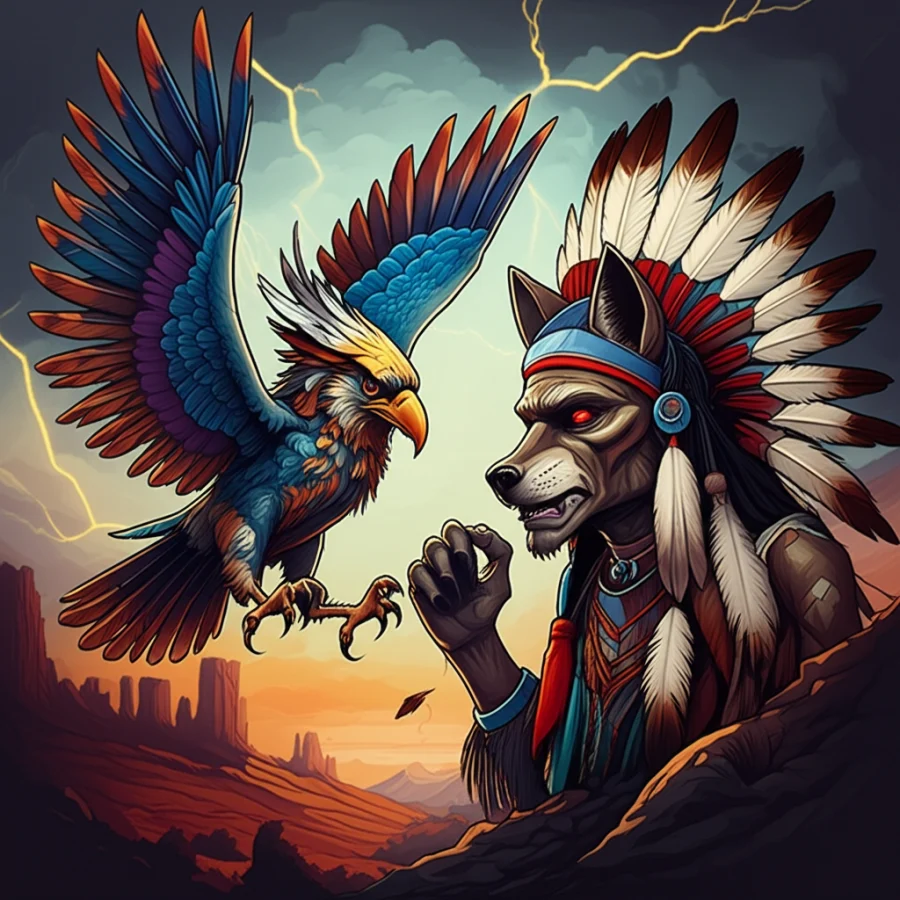
The vast, windswept expanse of the Great Plains, a land sculpted by time and the elements, has long been a cradle for stories. Among the rich tapestry of oral traditions woven by the Indigenous peoples who called this land home, whispers of figures that defied easy categorization have echoed through generations. One such narrative, originating from the complex spiritual and cultural landscape of the Navajo people, speaks of a being that embodies both potent natural forces and the deepest human fears: the Skinwalker. While the origins of this powerful archetype lie firmly within Navajo cosmology, its shadowy presence, or at least the thematic resonance of its dread, has, in some interpretations and cultural exchanges, been perceived to ripple across the Great Plains, a testament to the shared human experience of confronting the unknown and the unsettling.
To understand the Skinwalker, we must first journey back to a time when the world was perceived as a vibrant, interconnected entity, imbued with spirit. This was an era for the Navajo, and many Plains tribes, where the natural world was not merely a backdrop for human existence, but an active participant. Mountains held ancient wisdom, rivers carried the breath of life, and the sky was a canvas of celestial beings. The universe was understood through a complex system of relationships, where balance and harmony were paramount. Disruptions to this balance, whether from natural phenomena or human transgressions, could invite darker forces into play. The stories were not just entertainment; they were lessons, warnings, and explanations for the inexplicable, passed down through the ages to guide behavior and preserve cultural identity.
The Skinwalker, as depicted in Navajo lore, is not a singular creature but a potent concept representing a profound betrayal of sacred trust. It is a human being who, through dark rituals and pacts, has achieved the ability to transform into animal forms, often with unsettling speed and ferocity. These transformations are not always literal, but can manifest as a terrifying presence, a chilling whisper on the wind, or a shadow that moves with unnatural grace. The symbolic attributes are crucial here. The ability to shapen-shift, to move between human and animal realms, represents a transgression of natural boundaries, a defiance of the inherent order. The darkness associated with such power suggests a perversion of spiritual energy, a descent into malevolence. The chilling effect of a Skinwalker’s presence speaks to the primal fear of that which is familiar yet monstrous, the human element twisted into something predatory and alien. It is the embodiment of a darkness that can arise from within humanity itself, a fear of our own potential for corruption.
The narrative of the Skinwalker is often conveyed through cautionary tales, stories that speak of encounters with these dreaded beings. Imagine a cold night on the Navajo reservation, the stars like scattered diamonds in the inky sky. The wind, usually a gentle companion, begins to moan with an unnatural intensity, rustling the dry desert brush with a sound that is more than just the breeze. Suddenly, a chilling cry pierces the silence, a sound that is neither wolf nor coyote, but something far more ancient and terrifying. It is said that those who hear such a cry, or catch a fleeting glimpse of a figure that moves too quickly, too silently, might be in the presence of a Skinwalker. These beings are often depicted as malevolent entities who prey on the weak, disrupt the natural order, and spread fear. Their motives are rarely benevolent; they are driven by a hunger for power and a desire to inflict suffering. The stories serve as potent reminders of the fragility of life and the importance of maintaining spiritual purity.
The symbolism embedded within the Skinwalker myth is profound. For the Navajo, it represented the ultimate perversion of spiritual power, a stark warning against the pursuit of knowledge and abilities through forbidden means. It embodied the fear of the unknown, the darkness that lurks at the edges of human understanding, and the potential for evil that can reside even within those we know. The transformation into animal forms can be seen as a metaphor for the loss of humanity, the abandonment of moral principles in the pursuit of selfish desires. The fear associated with the Skinwalker also speaks to the precariousness of life in a harsh environment, where survival depended on understanding and respecting the natural world. Any disruption to that delicate balance, any deviation from the sacred path, could invite misfortune.
While the Skinwalker is a distinct element of Navajo folklore, the thematic resonance of fear, transformation, and the unsettling presence of something unnatural has found echoes in broader cultural narratives. On the Great Plains, many tribes possessed their own stories of shapeshifters and malevolent spirits that preyed on human fear. The anxieties surrounding the Skinwalker – the dread of a familiar form turning monstrous, the terror of the unseen – are universal human experiences that resonate across cultures. In modern times, the Skinwalker has become a compelling figure in popular culture, appearing in literature, film, and video games. These modern interpretations often explore the psychological horror of the concept, the blurring lines between human and beast, and the primal fear of what lies hidden within the shadows. Scholars of folklore and mythology study these narratives as windows into the cultural anxieties, moral frameworks, and imaginative landscapes of the societies that created them.
In conclusion, the tale of the Skinwalker, with its roots deeply embedded in Navajo spiritual tradition, serves as a powerful reminder of the enduring human impulse to create stories that explain the world around us and the fears that reside within us. It is a traditional narrative, a product of ancient peoples’ understanding of their environment and their place within it. As Muslims, we recognize that only Allah (God) is the true Creator and Sustainer of all that exists. These cultural stories, while not to be mistaken for divine truth, offer invaluable insights into the richness of human imagination, the enduring power of storytelling, and the diverse ways in which cultures have sought to make sense of the mysteries of existence. The echoes of the Skinwalker, not as a literal entity but as a potent archetype, continue to resonate, a testament to the enduring human fascination with the shadowy corners of our world and the stories we tell to navigate them.