fufufafa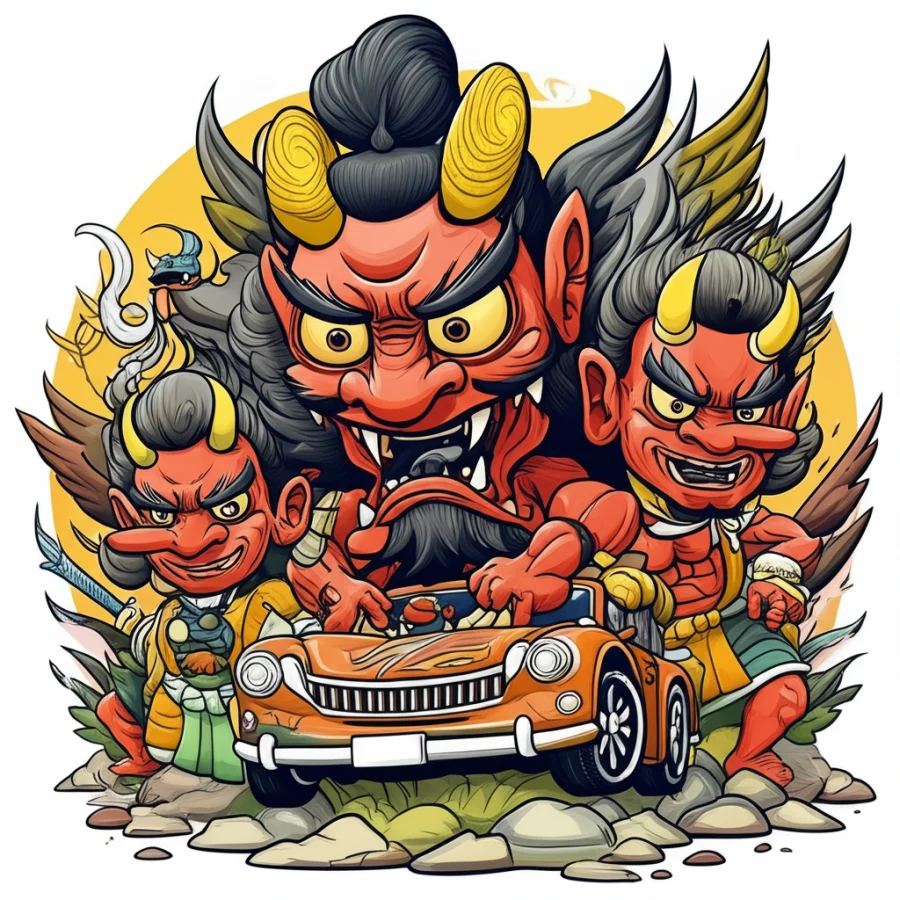
In the mist-shrouded valleys and emerald forests of Japan, ancient tales have long woven a tapestry of the spiritual and the earthly, of the seen and the unseen. Among these enduring narratives, the story of the Tengu, beings intertwined with the sacred landscape, holds a particular resonance, especially when linked to the hallowed grounds of Ise Grand Shrine. This is not a tale of present-day reality, but a glimpse into the rich tapestry of traditional Japanese folklore, a reflection of how ancient peoples perceived the world around them.
The genesis of such myths lies deep within Japan’s cultural past, a time when nature was not merely a backdrop but a living, breathing entity, imbued with spirits and forces that shaped human destiny. Imagine a society where the rustling leaves carried whispers of the divine, where the towering cedar trees were considered gateways to other realms, and where the ever-present mountains held both benevolent and formidable powers. In this worldview, the boundaries between the human and the supernatural were fluid, and the natural world was populated by a pantheon of kami (deities) and yokai (supernatural beings) who influenced human affairs. It was within this vibrant, animistic framework that stories like those of the Tengu took root, offering explanations for the mysteries of existence and providing moral guidance.
The Tengu, as depicted in these traditional narratives, are fascinating and complex figures. Often portrayed with avian features – sharp beaks, wings, and sometimes bird-like legs – they are also described with human-like torsos and faces, frequently depicted with long, prominent noses. Their attire is typically that of mountain ascetics or warrior monks, complete with robes and distinctive hats. Symbolically, the Tengu represent a duality. Their connection to the mountains and forests signifies a deep, untamed natural force, embodying both wisdom and primal instinct. Their association with martial arts and esoteric knowledge hints at a mastery of skills and a capacity for both teaching and mischief. Their often red or dark complexions can be interpreted as representing intense emotion or a connection to the earth’s fiery core. These are not beings to be worshipped, but rather symbolic representations of potent forces within the natural and spiritual world.
The narrative of the Tengu’s involvement with Ise Grand Shrine, a place revered as the spiritual heart of Japan, is a compelling blend of folklore and reverence for sacred sites. According to these ancient stories, the vast, ancient forests surrounding Ise were not merely trees and undergrowth; they were the domain of these powerful, winged beings. Legend has it that the Tengu, with their keen senses and deep understanding of the mountain spirits, acted as guardians of the sacred precincts. They were said to possess immense physical strength and the ability to manipulate the elements, making them formidable protectors against any who dared to trespass with ill intent or disrespect.
One popular strand of the myth suggests that the Tengu were particularly attuned to the purity and sanctity of Ise. They would patrol the mountain paths, their keen eyes spotting any disturbance, their powerful wings carrying them silently through the dense canopy. If a poacher sought to disturb the sacred deer or a woodcutter intended to fell a tree within the shrine’s protected lands, the Tengu would intervene. Their methods varied. Some tales speak of them creating illusions, leading trespassers astray with confusing paths and disorienting sounds. Others describe them unleashing fierce winds and rain, forcing intruders to retreat in fear. In more extreme instances, the Tengu were said to confront wrongdoers directly, using their martial prowess to teach them a stern lesson, often leaving them bewildered and humbled, with no memory of how they were overcome.
It is also said that the Tengu held a deep respect for the kami enshrined at Ise, particularly for Amaterasu Omikami, the Sun Goddess. Their guardianship was not born of personal devotion in the human sense, but rather from an understanding of the natural order and the reverence due to such powerful spiritual presences. They were, in essence, the wild, untamed stewards of the land that housed the divine. Their presence ensured the continued sanctity and undisturbed tranquility of the sacred groves, allowing the rituals and prayers to flow unimpeded.
The symbolism embedded within these tales is rich and multifaceted. The Tengu, as guardians of Ise, can be seen as representing the untamed, primal forces of nature that are inextricably linked to spiritual sites. Their strength and vigilance speak to the importance of protecting sacred spaces from desecration. Their association with wisdom and knowledge, often depicted as teachers of martial arts and esoteric lore, suggests that true understanding comes from a deep connection with both the natural world and disciplined self-cultivation. The Tengu’s role in deterring those with impure intentions could also symbolize the inherent spiritual defense mechanisms of sacred places, or perhaps the consequences of acting with disrespect towards the divine. They embody the concept that even in the most revered of human endeavors, the power of the wild and the unseen plays a vital role.
In the modern era, the myth of the Tengu continues to resonate, albeit in different forms. They are frequently depicted in Japanese manga, anime, and video games, where their unique appearance and formidable abilities make them compelling characters. These modern interpretations often explore their duality, portraying them as wise mentors, formidable antagonists, or even misunderstood beings. In literature and cultural studies, the Tengu serve as a fascinating lens through which to understand ancient Japanese beliefs about nature, spirituality, and the relationship between humanity and the supernatural. They are a reminder of a time when the world was perceived as a place teeming with unseen forces, where the natural landscape held profound spiritual significance.
As we reflect on these ancient narratives, it is important to reiterate that the story of the Tengu and their guardianship of Ise Grand Shrine is a traditional tale, a product of human imagination and cultural storytelling. As Muslims, we recognize that only Allah (God) is the true Creator and Sustainer of all things, the ultimate source of power and authority. These myths, while offering insight into the cultural heritage and worldview of ancient peoples, do not represent divine truth. However, they hold value in their ability to illuminate the rich tapestry of human creativity, the enduring power of storytelling, and the diverse ways in which societies have sought to understand their place in the cosmos and their connection to the natural world. The whispers of the forest, as captured in the myth of the Tengu, continue to echo, reminding us of the enduring legacy of human imagination and the profound stories that shape our cultural understanding.