fufufafa
The vast, unbroken expanse of the Great Plains, a canvas of rustling grasses and endless sky, has long been a place where stories take root and grow, whispered on the wind from one generation to the next. Among these ancient tales, some speak of the chilling presence of the Wendigo, a creature born from the harsh realities and spiritual beliefs of Indigenous peoples who once roamed these lands. While the name "Sedna" is primarily associated with Inuit mythology, and her domain is the frozen Arctic sea, the concept of a powerful, often vengeful, female entity, and the chilling dread embodied by the Wendigo, can find resonant echoes within the broader spiritual landscape of North America, including the Great Plains. This article delves into the folklore surrounding the Wendigo, exploring its origins, its symbolic significance, and how these ancient narratives continue to resonate in our modern world, always with the understanding that these are traditional stories, woven from the threads of human experience and imagination, not accounts of divine power.
Whispers from a Bygone Era: Life on the Great Plains
The myths and legends that emerged from the Great Plains were shaped by the very essence of the environment. Imagine a time when vast herds of bison thundered across the land, a vital source of sustenance and material for the peoples who lived in harmony with this rhythm. Life was intimately connected to the cycles of nature – the scorching summers, the brutal winters, the migrations of animals, and the unpredictable power of storms. The Indigenous cultures of the Plains were deeply spiritual, viewing the world as alive with unseen forces and interconnectedness. Every element, from the soaring eagle to the smallest blade of grass, possessed spirit. Their worldview was one of balance, where respecting the natural order was paramount for survival.
In this context, stories were not merely entertainment; they were vital tools for education, moral guidance, and understanding the complex relationship between humanity and the spirit world. They served to explain natural phenomena, to reinforce social norms, and to articulate the fears and aspirations of a people living on the edge of both beauty and harshness. The Wendigo, in its terrifying manifestation, speaks to the profound anxieties that could arise in such an environment – the fear of starvation, the darkness of winter, and the potential for human beings to succumb to their basest instincts.
The Wendigo: A Manifestation of Hunger and Isolation
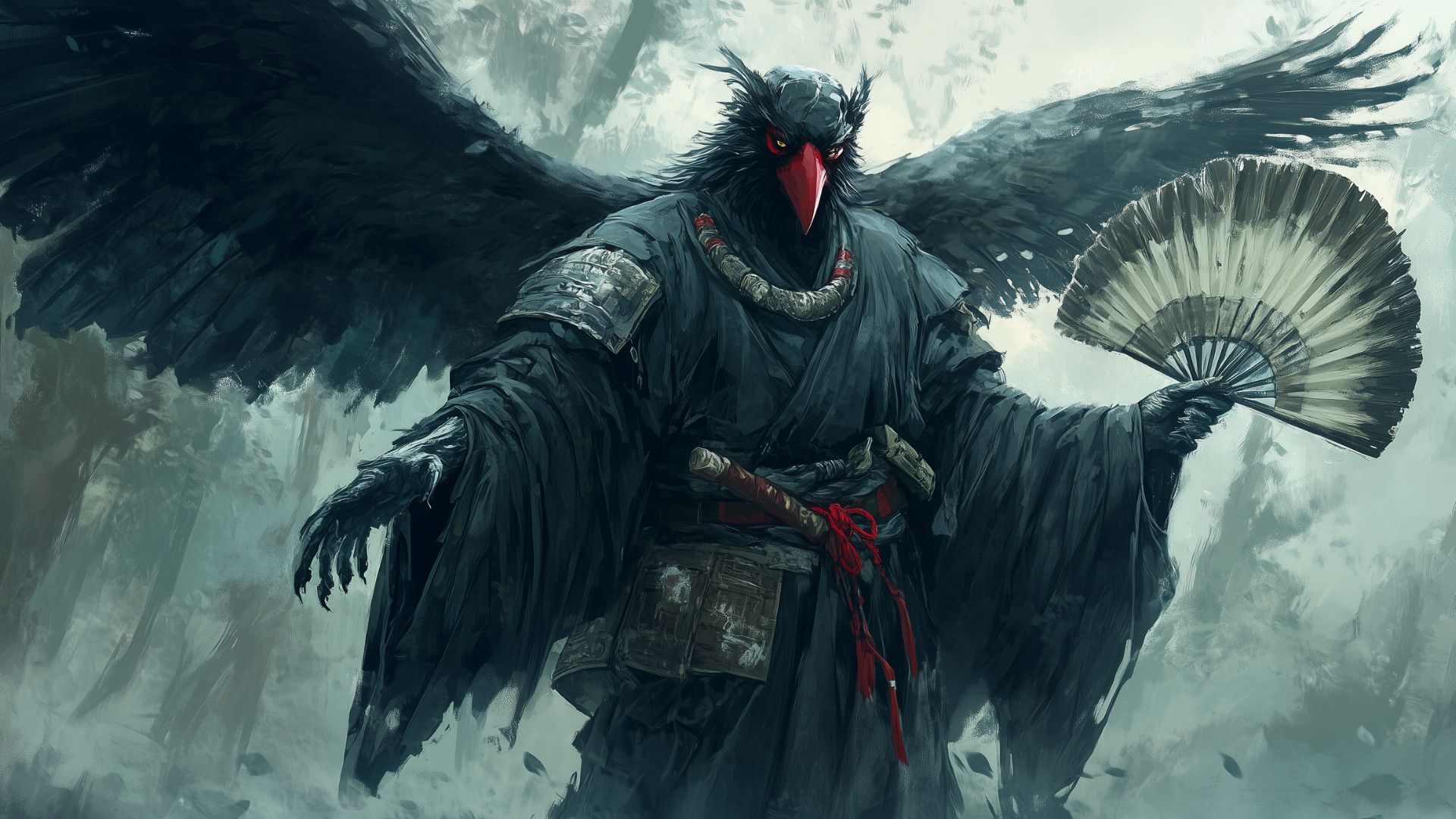
The Wendigo is a figure that haunts the folklore of many Algonquian-speaking peoples, and its presence, or the thematic resonance of its attributes, can be felt even in the narratives of those on the Great Plains. It is not a single, monolithic entity but rather a concept that manifests in various forms across different traditions. Generally, the Wendigo is depicted as a gaunt, emaciated, and monstrous humanoid creature, often described as impossibly tall, with skin stretched taut over skeletal bones. Its eyes are sunken, burning with an insatiable hunger, and its breath is said to freeze the very air around it. Its voice might be a chilling whisper or a terrifying shriek that echoes through the desolate wilderness.
Symbolically, the Wendigo represents the ultimate perversion of the natural order. It embodies extreme hunger, not just for food, but for life itself. It is often associated with cannibalism, a taboo that speaks to the breakdown of societal bonds and the ultimate descent into savagery. Its gauntness is a stark reminder of the ever-present threat of starvation on the Plains, where a harsh winter or a failed hunt could mean the difference between life and death. The Wendigo is also a manifestation of greed and selfishness, a warning against hoarding resources or succumbing to an overwhelming desire that consumes one’s humanity. Its solitary nature can symbolize the isolation and despair that can grip individuals in the face of extreme hardship.
The Tale of the Frozen Hunger
While specific narratives vary, the essence of the Wendigo myth often revolves around the destructive consequences of unchecked desire and the descent into a monstrous state. Imagine a harsh winter descending upon the Plains, the snowdrifts piling high, and the usual sources of food becoming scarce. A group of hunters, their provisions dwindling, find themselves in a desperate situation. One among them, driven by an overwhelming, selfish hunger, succumbs to the unthinkable act of cannibalism, consuming the flesh of his fallen companions.
As he continues to survive, his humanity erodes. He transforms into a creature of insatiable appetite, forever driven by a gnawing hunger that can never be satisfied. This transformation is not just physical but spiritual. He becomes a being of pure want, a phantom of starvation that roams the wilderness, forever seeking to devour. His presence brings a chilling cold, a palpable sense of dread that warns of the dangers of succumbing to primal urges. He is a cautionary figure, a reminder that the greatest threat can sometimes come not from the external environment, but from within the human heart. The echoes of such a tale, even if not explicitly named "Wendigo" in every Plains tradition, would have served as a powerful reminder of the importance of community, sharing, and the spiritual discipline required to navigate the unforgiving realities of their world.
The Mirror of Humanity: Symbolism and Meaning
The Wendigo, in its terrifying grandeur, offers a profound symbolic landscape for understanding the anxieties and values of the peoples who shared these stories. At its most basic level, it is a potent symbol of the ever-present threat of starvation and the dangers of the wilderness. The Plains were a land of extremes, and the Wendigo’s gaunt form and insatiable hunger directly mirrored the fear of famine that could decilimate communities.
Beyond physical hunger, the Wendigo also represents the dangers of unchecked greed and selfishness. In a society that relied heavily on cooperation and sharing for survival, the act of cannibalism and the creature’s relentless pursuit of consumption served as a stark warning against hoarding resources or prioritizing personal gain over the well-being of the group. It was a powerful allegory for the erosion of humanity that could occur when one’s desires consumed their moral compass.
Furthermore, the Wendigo can be seen as a symbol of spiritual corruption and the loss of one’s soul. Its transformation from human to monster signifies the ultimate consequence of succumbing to dark impulses. It highlights the importance of maintaining spiritual balance and adhering to the ethical codes that bound their societies together. In essence, the Wendigo was a mirror, reflecting the potential for darkness that lay within human nature, and serving as a constant reminder of the virtues of empathy, generosity, and self-control.
Modern Echoes: From Folklore to Fiction
In the modern world, the Wendigo has transcended its origins as a purely Indigenous folklore figure and has captured the imagination of a wider audience. It has become a compelling archetype in literature, film, and gaming, often depicted as a terrifying supernatural entity. Authors have explored its themes of isolation, hunger, and the duality of human nature in various horror novels and short stories. Filmmakers have brought its chilling presence to the screen, capitalizing on its visceral horror and symbolic resonance. Video games often feature the Wendigo as a formidable antagonist, embodying primal fear and a relentless pursuit.
These modern interpretations, while often sensationalized, demonstrate the enduring power of the Wendigo myth. They allow us to explore timeless human fears and anxieties through a fantastical lens. Cultural studies scholars and anthropologists continue to analyze the Wendigo, not to propagate belief, but to understand its significance within Indigenous cultures, its reflection of historical realities, and its continued relevance as a cultural symbol. These explorations offer valuable insights into the human condition and the enduring power of storytelling.
A Legacy of Stories, Not of Worship
As we reflect on the echoes of Sedna and the dread of the Wendigo on the Great Plains, it is crucial to reiterate that these are traditional stories, passed down through generations by ancient peoples to explain their world, to impart wisdom, and to navigate the complexities of life. They are narratives born from imagination, cultural context, and a deep understanding of the human experience.
As Muslims, we recognize that the ultimate power and creation belong to Allah alone. He is the Creator, the Sustainer, and the only One worthy of worship. These traditional stories, while fascinating and rich in cultural significance, do not alter this fundamental truth.
Instead, we can appreciate these tales as a testament to the incredible power of human imagination, the enduring strength of cultural heritage, and the universal human need to tell stories. The myths and legends that have been woven into the fabric of societies across the globe, including those of the Indigenous peoples of the Great Plains, offer us a window into different ways of seeing and understanding the world. They remind us of the diverse tapestry of human thought and the enduring legacy of our ancestors’ creativity and their efforts to make sense of the vast and often mysterious universe around them. The echoes of these stories, like the winds across the Plains, continue to whisper, carrying with them the richness of human history and the enduring art of storytelling.