fufufafa
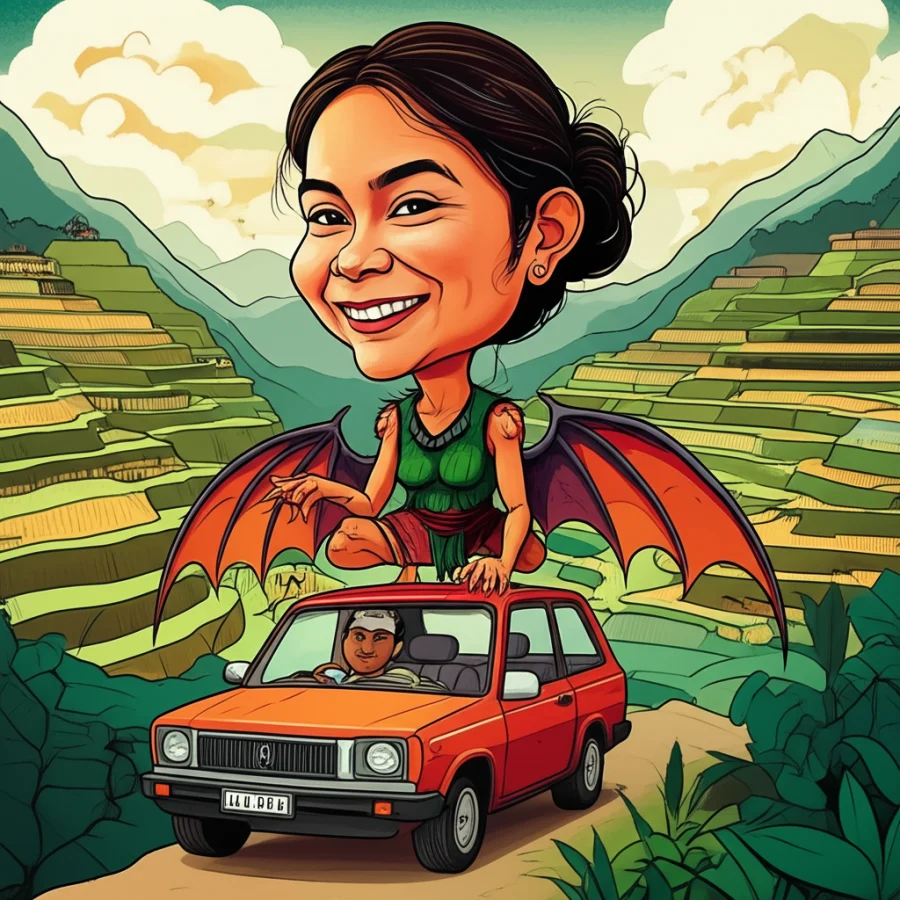
From the lush, verdant embrace of the Philippine archipelago, a tapestry woven with ancient beliefs and ancestral whispers, emerges a legend that continues to resonate through the rustling leaves and misty peaks. The story of Amanikable, the Tiyanak, and the sacred Mount Makiling is not a historical account, nor a divine decree. It is a traditional narrative, a product of the rich imagination and deep connection to nature that characterized the ancient Filipino people. These tales, passed down through generations, offer a window into their worldview, their understanding of the world around them, and the values they held dear.
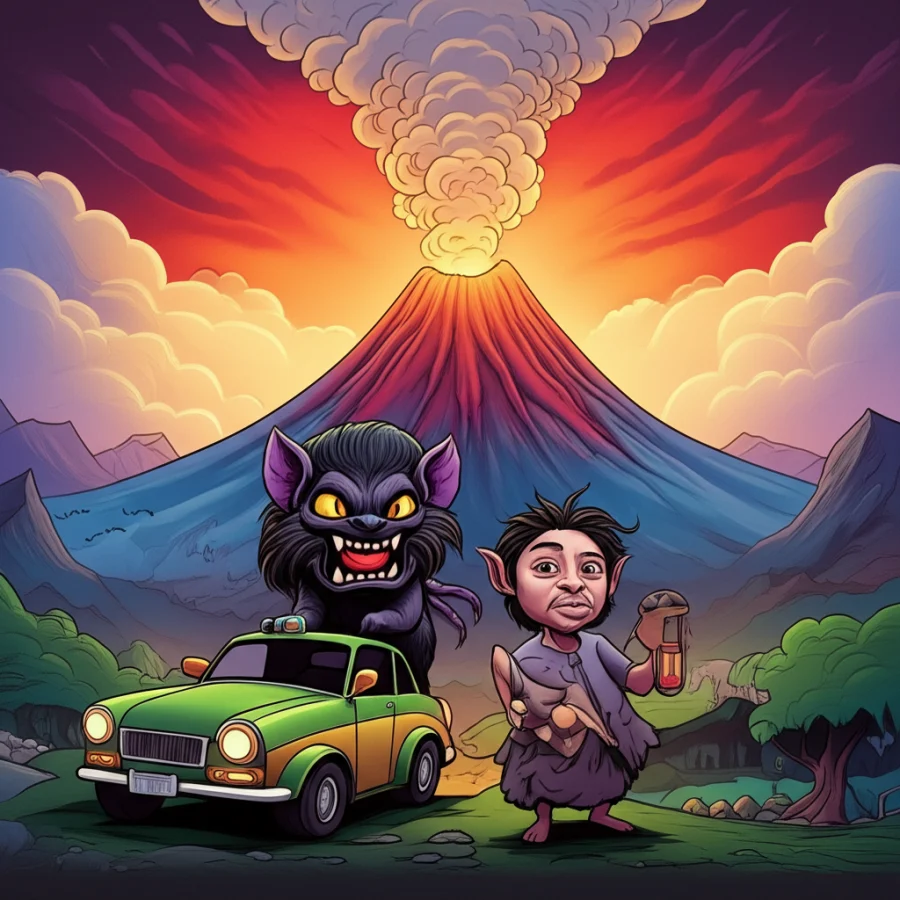
To truly grasp the essence of this myth, we must transport ourselves to a bygone era, a time before concrete jungles and digital screens. Picture the early inhabitants of the islands, their lives intrinsically linked to the rhythm of the seasons, the bounty of the land, and the untamed power of the natural world. Their societies were often animistic, a belief system where spirits were perceived to inhabit everything – trees, rivers, mountains, and even the air itself. The world was a vibrant, living entity, teeming with unseen forces that could be benevolent or malevolent, requiring respect, appeasement, and careful understanding. Mount Makiling, a majestic dormant volcano in Luzon, with its often cloud-shrouded summit and dense forests, would have naturally been a focal point of such spiritual reverence, a place where the veil between the human and the spiritual realms felt thinner.
Central to this narrative is the figure of the Tiyanak, a creature deeply embedded in Filipino folklore. The Tiyanak, in these ancient tales, is often depicted as the restless spirit of an unbaptized infant, its soul unable to find peace. Its symbolic attributes are multifaceted. It represents the profound sorrow and fear associated with infant mortality, a stark reality in times when medical care was scarce. It also embodies the primal fear of the unknown, the chilling possibility of a life lost too soon, forever tethered to the earthly realm. Its small, seemingly innocent form belies a potential for mischief and danger, a reminder that even the smallest things can hold powerful, unpredictable energies. The Tiyanak is not presented as a deity to be worshipped, but rather as a cautionary figure, a spectral manifestation of loss and unease.
The legend of Amanikable, often associated with Mount Makiling, weaves a compelling narrative around this enigmatic Tiyanak. The story begins in the ancient days, when the forests of Makiling were even more impenetrable, and the whispers of the unseen were more readily heard. It is said that Amanikable, a powerful spirit or a revered elder, possessed a deep understanding of the mountain and its inhabitants, both seen and unseen. This figure served as a guardian, a keeper of balance, and a bridge between the mortal world and the spiritual domain of the mountain.
One prevailing narrative tells of a Tiyanak that had been abandoned or lost its mother. Driven by a primal, unfulfilled need, it would mimic the cries of a human infant, luring unsuspecting travelers deep into the treacherous terrain of Mount Makiling. The cries, so innocent and heart-wrenching, would draw in the compassionate, the curious, and the unwary. As they ventured further, drawn by the plaintive wails, the forest would seem to close in, the paths would become disorienting, and the Tiyanak’s form would shift, revealing a more unsettling aspect. It was not a creature seeking comfort, but one that fed on the fear and disorientation of its victims, leading them to their demise within the mountain’s embrace. Amanikable, in some retellings, would intervene, his wisdom and authority guiding lost souls away from the Tiyanak’s trap, or perhaps even appeasing the restless spirit, restoring a semblance of peace to the mountain. The story serves as a vivid illustration of the dangers lurking within the wild, and the importance of respecting the natural boundaries and the unseen forces that governed them.
The symbolism embedded within this myth is rich and varied. The Tiyanak, as a lost infant spirit, speaks to the ancient anxieties surrounding death, particularly the death of the young, and the unresolved grief that could permeate a community. Its ability to mimic innocent cries highlights the deceptive nature of appearances, a warning against succumbing to superficial allure. Mount Makiling itself, as a towering natural landmark, often symbolized power, mystery, and the untamed spirit of nature. Amanikable, in his role as guardian or sage, represented wisdom, leadership, and the importance of respecting the natural order. The story, in its entirety, could be interpreted as a moral tale, cautioning against straying from known paths, succumbing to greed or curiosity without due diligence, and reminding people of the respect they owed to the powerful forces of nature.
In the modern era, the echoes of Amanikable and the Tiyanak continue to reverberate, albeit in different forms. These mythological figures have transitioned from oral traditions to the vibrant landscapes of contemporary Philippine literature, film, and video games. They are explored as archetypes of fear, as characters in horror genres, or as elements that contribute to the unique cultural identity of Filipino storytelling. Cultural studies scholars delve into these narratives to understand the historical anxieties, social structures, and belief systems of past generations. The Tiyanak, in particular, has become an iconic creature in the pantheon of Filipino mythical beings, its image instantly recognizable and often used to evoke a sense of eerie fascination.
It is crucial to reiterate that these are traditional stories, products of human imagination and cultural interpretation. As Muslims, we hold the profound belief that only Allah (SWT) is the true Creator and Sustainer of all existence. Our understanding of the world is guided by divine revelation, not by folklore or myth. These narratives, while fascinating from a cultural and historical perspective, do not hold divine truth or authority.
The enduring legacy of tales like Amanikable and the Tiyanak lies not in their literal truth, but in their power to connect us to our past. They are testaments to the boundless human capacity for storytelling, for weaving narratives that explain the inexplicable, that teach valuable lessons, and that reflect the deep connection our ancestors felt with the world around them. They are echoes of a rich cultural heritage, whispers from a time when imagination and reverence for nature walked hand in hand, reminding us of the enduring power of stories to shape our understanding and to enrich our cultural tapestry.