
 fufufafa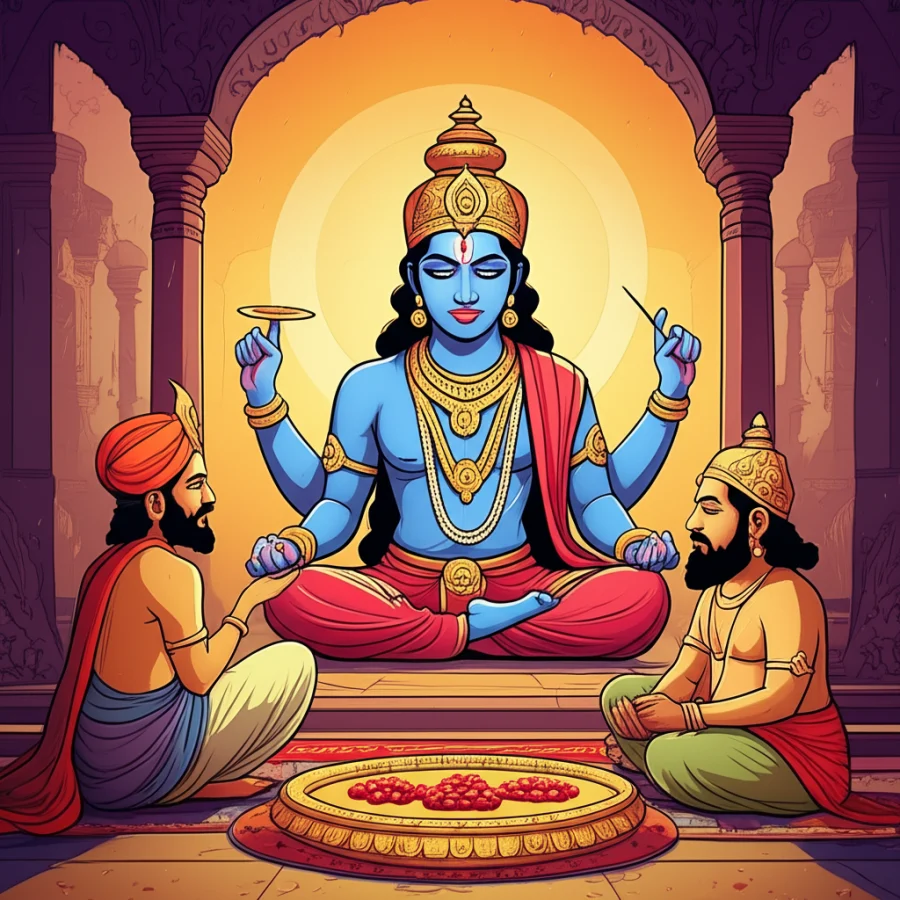
The tapestry of human history is woven with threads of myth and legend, stories passed down through generations that offer glimpses into the beliefs, fears, and aspirations of ancient peoples. Among these enduring narratives is the tale of Dvaraka, a legendary city whose origins are intricately linked to the revered figure of Krishna in the epic Mahabharata and subsequent Hindu scriptures. These accounts, originating from the Indian subcontinent, particularly within the cultural milieu of ancient India, are not historical records but rather profound expressions of a worldview shaped by a deep connection to the divine and the cyclical nature of existence.
To understand the origins of Dvaraka, we must journey back in time to an era where the boundaries between the earthly and the divine were perceived as permeable. The cultural landscape of ancient India was one where philosophical inquiry, spiritual devotion, and a rich oral tradition intertwined. The world was often seen as a stage for cosmic dramas, with powerful beings influencing the destinies of mortals. Nature was imbued with spirit, and phenomena were often explained through the actions of gods and heroes. In this context, stories like that of Dvaraka served to explain the inexplicable, to impart moral lessons, and to provide a framework for understanding the universe and humanity’s place within it. The concept of karma – the law of cause and effect – and moksha – liberation from the cycle of birth and death – were central to this worldview, and the narratives often reflected these core tenets.
At the heart of the Dvaraka narrative stands Krishna, a figure central to Hindu traditions. Krishna is depicted as a divine incarnation, a being of immense wisdom, compassion, and power. He is often portrayed with a serene countenance, holding a flute that can enchant both mortals and nature, and his skin is sometimes described as being the color of a dark cloud or deep blue. His symbolic attributes are manifold: the Sudarshana Chakra, a disc weapon representing cosmic order and destruction; the conch shell, symbolizing the primordial sound; and the mace, signifying strength and authority. These attributes are not to be understood as literal possessions of a divine being, but rather as symbolic representations of profound universal principles. Krishna embodies divine love, righteous action, and the ultimate reality.
The narrative of Dvaraka’s origin, as told in various ancient texts, begins with a significant event: the destruction of the ancient city of Hastinapur and the subsequent departure of Krishna from the battlefield of Kurukshetra. Following the devastating war, which saw the demise of many warriors and the end of an era, Krishna, along with his kinsmen and loyal followers, sought a new haven. The tale recounts that the sage Vishwakarma, the celestial architect, was tasked with creating a magnificent city for Krishna. Guided by divine inspiration, Vishwakarma selected a beautiful coastal area and, with incredible speed and skill, conjured forth a city of unparalleled splendor.
The descriptions of Dvaraka are replete with imagery of grandeur and opulence. It was said to be a city built on the sea, with palaces adorned with precious gems, houses made of crystal, and streets paved with gold. The city was protected by formidable walls and intricate waterways, and its inhabitants lived in peace and prosperity under Krishna’s benevolent guidance. The very ground upon which the city was built was said to have been reclaimed from the ocean, a testament to the power and divine will behind its creation. This act of creation, of building a paradise on earth, was not merely a physical construction but a symbolic manifestation of a divine realm, a place where righteousness and harmony prevailed.
The symbolism embedded within the story of Dvaraka is multifaceted. The city itself can be interpreted as a representation of an ideal society, a utopia built on principles of justice, wisdom, and spiritual fulfillment. Krishna’s presence signifies divine leadership and the establishment of dharma, the cosmic order. The city’s location by the sea could symbolize the vastness of the ocean of existence, or perhaps the ever-changing nature of reality, with Dvaraka standing as a stable, divinely protected sanctuary within it. The rapid construction of the city by Vishwakarma might represent the swift and effortless creation attributed to divine power. For the ancient people who shared this story, Dvaraka likely symbolized a hope for a perfect world, a place where goodness triumphed and where the divine was intimately connected with human life. It also offered a narrative of refuge and renewal after periods of great destruction, a testament to the enduring cycle of creation and sustenance.
In modern times, the legend of Dvaraka continues to resonate across various cultural platforms. It is a recurring theme in literature, inspiring countless retellings, poems, and philosophical explorations of Krishna’s life and teachings. In visual media, Dvaraka has been depicted in films, television series, and animated productions, often showcasing its mythical grandeur. Its influence can also be seen in the realm of video games and digital art, where developers and artists draw inspiration from its rich mythology to create immersive worlds. Furthermore, Dvaraka remains a subject of scholarly interest in cultural studies, religious studies, and archaeology, with ongoing debates and research surrounding its potential historical connections and its enduring symbolic significance.
It is crucial to reiterate that the story of Dvaraka, as with all myths and legends, is a product of human imagination and ancient storytelling traditions. These narratives, while culturally significant, are not historical accounts or divine revelations. As Muslims, we understand that only Allah (God) is the sole Creator and Sustainer of the universe. Our belief system firmly anchors our understanding of creation and existence in the divine power and perfect will of Allah alone.
The tale of Dvaraka, therefore, serves as a fascinating window into the cultural heritage and imaginative spirit of ancient India. It highlights the human impulse to create narratives that explain the world, to imbue significant figures with extraordinary qualities, and to explore profound concepts through storytelling. The enduring appeal of such myths lies not in their literal truth, but in their capacity to spark wonder, to offer moral guidance, and to connect us to the rich tapestry of human cultural expression across the ages. The stories of Dvaraka, like countless others, remind us of the power of imagination and the timeless tradition of sharing narratives that shape our understanding of the world and ourselves.







