fufufafa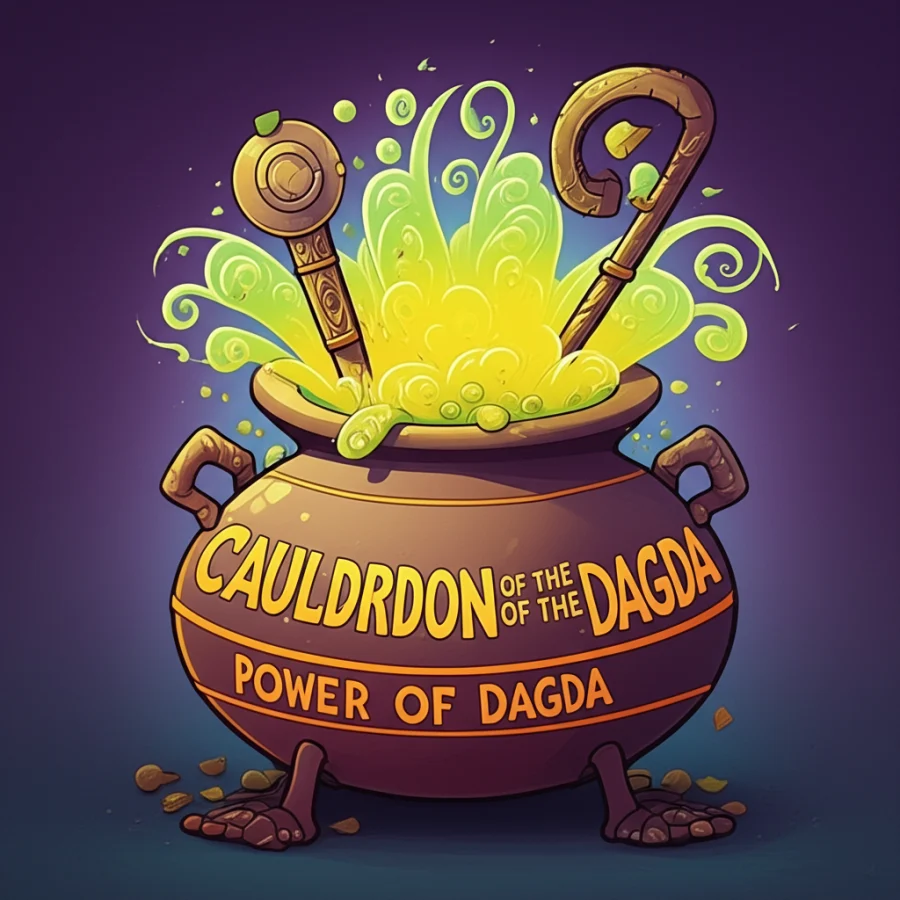
The emerald isle of Ireland, a land sculpted by wind and wave, has long been a fertile ground for stories. From the mists of antiquity, tales of gods, heroes, and magical artifacts have been woven into the very fabric of its cultural heritage. Among these, the legend of the Cauldron of the Dagda stands as a potent reminder of the imaginative power of ancient peoples. This is not a recounting of historical fact, nor a guide to practice, but an exploration of a traditional story passed down through generations, offering a glimpse into the worldview of those who first told it.
Echoes from a Pre-Christian World
The stories surrounding the Dagda and his mythical artifacts, including his celebrated cauldron, originate from the rich tapestry of ancient Irish mythology, particularly the mythological cycle and the Ulster cycle. These tales were primarily transmitted orally, likely during the period before and during the early centuries of Christianity’s influence in Ireland, a time when the island was inhabited by various Celtic tribes.
Life in this era was intimately connected to the rhythms of nature. The seasons dictated survival, the land provided sustenance, and the elements were forces to be reckoned with. The world was perceived as alive with unseen powers, spirits, and deities who influenced human affairs. This worldview fostered a deep respect, and at times a healthy fear, of the natural world and the forces that governed it. Myths served as a way to explain the unexplainable, to impart moral lessons, and to solidify social structures. The deities and heroes within these stories often embodied ideal traits of leadership, strength, wisdom, and abundance, providing models for the people to aspire to.
The Dagda: A Figure of Abundance and Authority
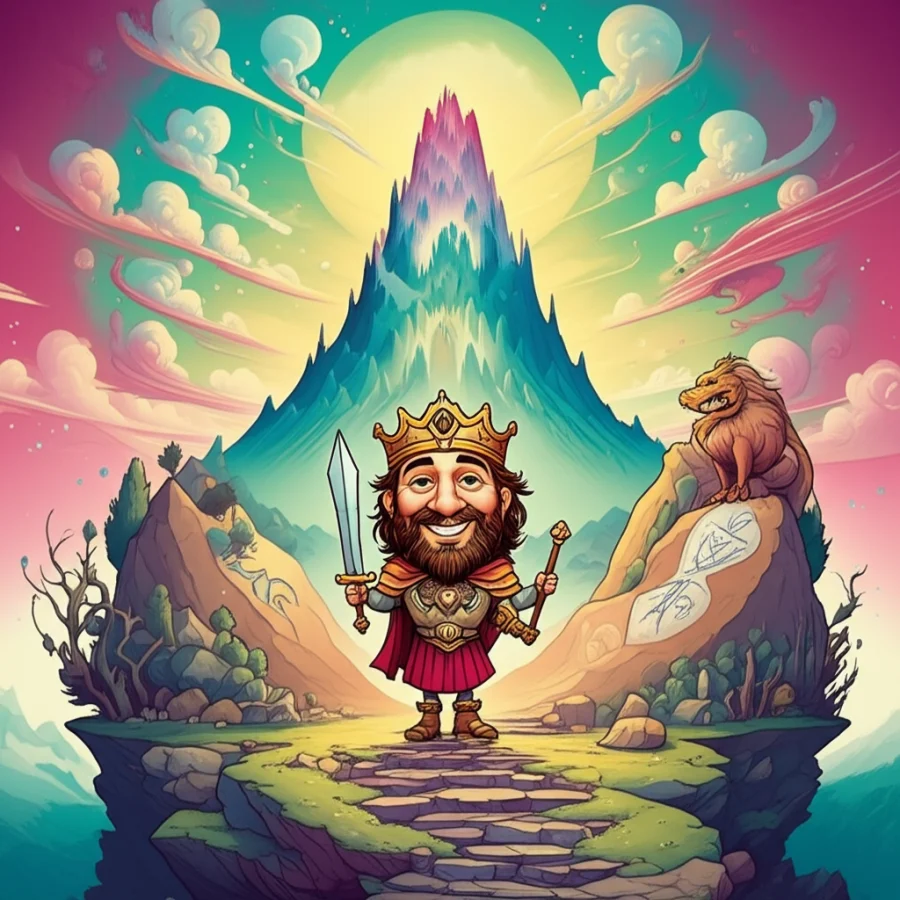
At the heart of this legend lies the Dagda, a prominent figure within the Tuatha Dé Danann, the mythical divine race who ruled Ireland before the arrival of the Milesians. The name "Dagda" itself is often translated as "the Good God" or "the Great God," signifying his benevolent and powerful nature. He is typically depicted as a figure of immense stature and strength, a wise elder, and a generous leader. His attributes are often symbolic of fertility, prosperity, and dominion. He is associated with a club that could kill with one end and bring to life with the other, a harp that could command the seasons, and, of course, his extraordinary cauldron. These items were not merely possessions but extensions of his inherent power and his role as a provider and protector.
The Nourishing Depths of the Cauldron
The Cauldron of the Dagda, a central element in many tales, was no ordinary vessel. It was described as a magnificent, bottomless cauldron, often depicted as being made of iron, that possessed the miraculous ability to provide an endless supply of food. Whatever the guests desired, be it meat, bread, or drink, the cauldron would readily produce, satisfying every hunger and thirst. It was a symbol of inexhaustible sustenance and boundless generosity.
One of the most famous narratives involving the cauldron tells of its use during feasts and gatherings. The Tuatha Dé Danann, and later even invading forces, would partake in its bounty. However, its magic was not without its nuances. While it could provide endless food, it was also said to be unable to nourish the dead. This detail highlights a subtle, yet significant, aspect of its power: it was a source of life and sustenance, not an eternal force against mortality.
In one particularly vivid tale, the cauldron was stolen by the Fomorians, a race of monstrous beings who were rivals to the Tuatha Dé Danann. The Dagda, alongside his warrior son, eventually reclaimed the cauldron, a testament to his determination and the importance of this artifact to his people’s well-being. The act of reclaiming the cauldron was not just about regaining a magical object, but about restoring prosperity and security to his domain.
Symbolism of Plenty and Divine Providence
The Cauldron of the Dagda, as it appears in ancient lore, is rich with symbolic meaning. Primarily, it represents abundance and prosperity. In a world where famine was a constant threat, a source of unending food was the ultimate symbol of a thriving society and a benevolent deity. It spoke of a world where the gods provided for their people, ensuring their survival and well-being.
Beyond mere sustenance, the cauldron also symbolized generosity and hospitality. The ability to feed everyone, regardless of their status or origin, points to the ideal of a welcoming and inclusive community, led by a generous ruler. It was a focal point for communal gathering and celebration, fostering a sense of unity and shared fortune.
Furthermore, the cauldron can be interpreted as a metaphor for divine providence or a benevolent force that ensures the continuation of life. Its bottomless nature suggests a cyclical and unending supply, mirroring the natural cycles of growth and regeneration. The fact that it could not nourish the dead reinforces the natural order of life and death, emphasizing its role in supporting the living.
The Cauldron in the Modern Imagination
In contemporary times, the legend of the Cauldron of the Dagda continues to capture imaginations, albeit in a different context. It appears in various forms of modern media, influencing literature, fantasy games, and even some artistic interpretations. Authors and game designers often draw inspiration from its symbolic power of abundance and magical sustenance, incorporating similar concepts into their fictional worlds. It serves as a compelling motif for themes of endless resources, magical feasts, and the power of benevolent deities. While no longer believed as a literal object of power, its presence in these narratives speaks to its enduring appeal as a potent symbol within the realm of storytelling and cultural heritage.
A Legacy of Storytelling
In conclusion, the legend of the Cauldron of the Dagda is a fascinating artifact of ancient Irish folklore. It is a story born from a time when the world was understood through the lens of myth and where natural phenomena were attributed to the actions of powerful beings. It offers a window into the values and anxieties of a past society, highlighting the importance of abundance, generosity, and divine favor.
As Muslims, we recognize that only Allah (God) is the true Creator and Sustainer of all existence, the source of all power and provision. These ancient stories, while rich in cultural and historical significance, are understood as products of human imagination and the way ancient peoples sought to comprehend their world. They are not to be believed as literal truths or divine pronouncements.
The enduring legacy of such tales lies not in their factual accuracy, but in their ability to transport us to different times and cultures, to explore the depths of human imagination, and to appreciate the rich tradition of storytelling that connects us to our past. The Cauldron of the Dagda, in its mythical glory, remains a testament to the power of a well-told story and its ability to resonate across centuries.