
 fufufafa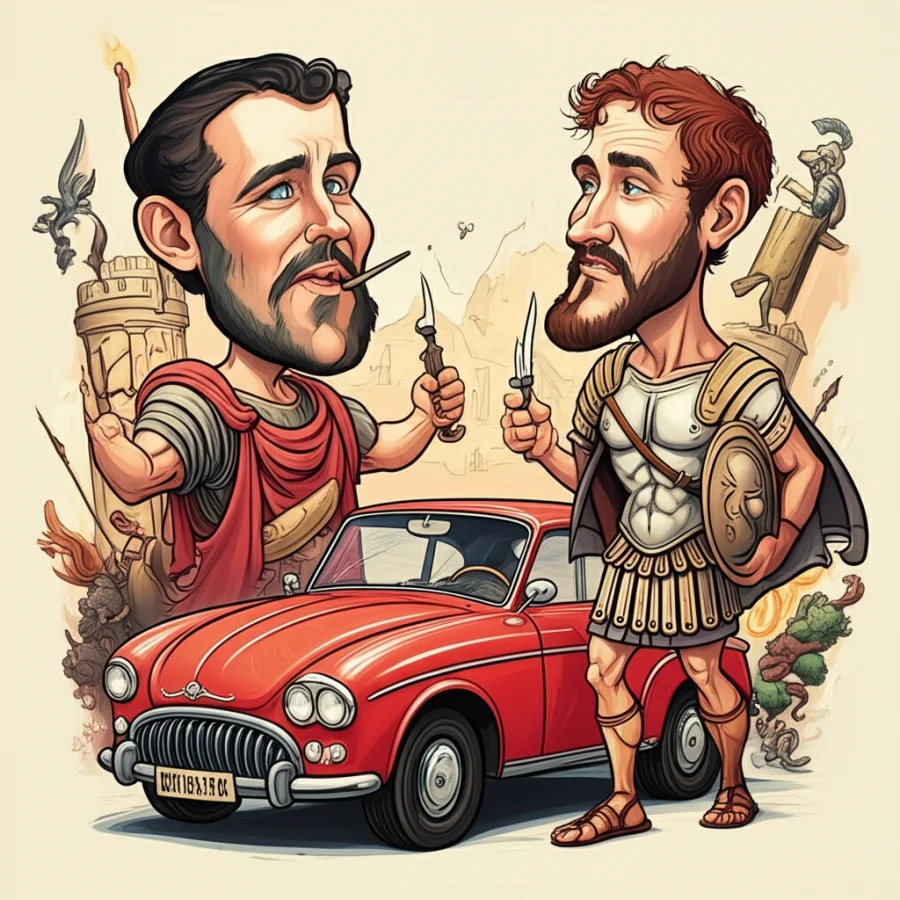
Introduction:
The tale of Rome’s founding, a cornerstone of Western civilization’s mythology, springs from the heart of ancient Italy, specifically the region of Latium. This is not a factual account, verifiable by scientific means. Instead, it is a traditional story, a legend passed down through generations by the Romans themselves, a people who believed in the power of their gods and the destiny etched upon their land. This narrative, a blend of historical context, divine intervention, and heroic deeds, served to explain the origins of their city, to solidify their identity, and to instill a sense of pride in their lineage. We approach this story not as a matter of faith, but as a window into the rich tapestry of human imagination and the enduring power of storytelling.
Origins and Cultural Background:
The era in which the myth of Rome’s founding took root was a time of transition in the Italian peninsula. The ancient world was a place of diverse cultures and vying powers. The Latins, a people who spoke a language related to Latin, inhabited the region of Latium, a fertile plain south of the Tiber River. This was a society deeply intertwined with agriculture, pastoralism, and a polytheistic religious system. The world was perceived as a stage for the gods, who intervened directly in human affairs, influencing fortunes, dictating destinies, and rewarding or punishing mortals based on their piety and actions.
Life was hard, and the uncertainties of weather, war, and disease were constant companions. The stories of the gods and heroes provided a framework for understanding the world, explaining the inexplicable, and offering a moral compass. Myths like the founding of Rome were not simply entertainment; they were integral to the social fabric, shaping values, inspiring courage, and defining the relationship between the people and their gods. The Romans, like other ancient cultures, saw the world as a place filled with omens, signs, and the constant potential for divine intervention. They sought to appease the gods through rituals, sacrifices, and by honoring the heroic ancestors who were believed to have forged their civilization.
Character / Creature Description: The Twins and Their Legacy
The central figures in the story are Romulus and Remus, twin brothers who, according to legend, were destined to shape the future of Rome. They are not merely individuals, but rather embodiments of key symbolic attributes.
- Romulus: Represents leadership, strength, and the practical skills necessary to build and govern a city. He is the pragmatic founder, the one who lays the foundations.
- Remus: Symbolizes a potential for impulsiveness, a more emotional response to challenges, and perhaps, a reminder of the importance of balance in leadership.
- The Wolf (Lupa): The she-wolf who suckled the twins is a powerful symbol of nurturing, strength, and the resilience of nature. She represents the primal forces that shaped the brothers and the city they would found. The wolf is also an important symbol of Roman identity and the city’s early struggles for survival.
These characters, along with their associated symbolism, were not viewed as literal beings in the modern sense. They were rather archetypes, representing fundamental aspects of human experience and the virtues valued by the Romans. The story of Romulus and Remus, therefore, is not a simple biography, but a narrative that explores the complexities of leadership, the consequences of ambition, and the enduring power of familial bonds.
Main Story / Narrative Retelling:
The tale begins in the city of Alba Longa, where King Numitor ruled. However, his brother, Amulius, usurped the throne, banishing Numitor and forcing his daughter, Rhea Silvia, to become a Vestal Virgin. This meant she was sworn to celibacy. But the god Mars, the god of war, was drawn to Rhea Silvia, and she bore him twin sons: Romulus and Remus.
Amulius, fearing a threat to his power, ordered the twins to be drowned in the Tiber River. However, the servant tasked with the grim deed showed mercy, and the babies were placed in a basket and set adrift. The Tiber, in a stroke of fortune, carried the basket to the foot of the Palatine Hill. Here, a she-wolf, drawn by the cries of the infants, found the twins and, abandoning her own pups, nursed them with her milk. This act of compassion and nurturing ensured their survival.
Later, a shepherd named Faustulus discovered the twins and took them home to his wife, Acca Larentia. They raised Romulus and Remus as their own, teaching them the skills of shepherding and instilling in them a sense of resilience. As the boys grew, they became known for their strength and courage. They were involved in conflicts with bandits and their true parentage was revealed.
Driven by a shared destiny, the brothers decided to found a city. However, a quarrel arose over where the city should be built and who should be its ruler. Romulus, after seeing more auspicious signs of the gods’ favor, began to mark out the boundaries of the new city on the Palatine Hill. Remus, in a fit of rage and disagreement with the location, leaped over the newly marked walls, an act considered a sign of disrespect and a challenge to Romulus’s authority. In the ensuing conflict, Remus was killed, either by Romulus himself or by one of his followers.
Romulus, now the sole survivor, proceeded to build the city, naming it Rome, after himself. He populated it with refugees, outlaws, and fugitives, creating a society that was initially rough and lawless. He established a senate, a body of elders to advise him, and established laws and institutions that would lay the groundwork for a powerful empire. The city grew, and Rome, built upon the foundations of a fratricidal act, began its rise to dominance.
Symbolism and Meaning:
The myth of Romulus and Remus is rich in symbolism. The abandonment of the twins represents the precariousness of life and the vulnerability of the individual. The she-wolf’s nurturing embodies the resilience of nature and the power of survival. The fratricide, while tragic, can be seen as a necessary evil, a sacrifice that was needed to establish the foundations of a new society. The founding of Rome is not a story of perfect harmony, but of conflict, ambition, and the difficult choices that shape destiny. It also shows that the Romans valued courage, strength, and a strong sense of purpose. It conveyed the belief that Rome was destined to be a great power, a destiny ordained by the gods and carried out by their heroic ancestors.
Modern Perspective:
The myth of Romulus and Remus continues to resonate in modern times. The story is a staple in literature, movies, and video games. The images of the she-wolf and the twins are instantly recognizable symbols of Roman culture and history. The story continues to fascinate and inspire, offering insights into human nature, the dynamics of power, and the enduring allure of founding myths.
In cultural studies, the story is analyzed for its underlying themes of leadership, sibling rivalry, and the origins of civilization. It serves as a reminder of the complex and often brutal realities that lie beneath the surface of grand narratives. The tale has inspired countless artists, writers, and filmmakers, who have used it to explore themes of ambition, destiny, and the human cost of progress.
Conclusion:
The story of Romulus and Remus, the founding of Rome, is a timeless tale that originated from the heart of the Latium region. As we reflect on this story, we must recognize that it is a product of human imagination and a reflection of the culture that created it. It is not meant to be taken as literal truth, nor should we ever claim divinity or the power of any mythological beings.
As Muslims, we acknowledge that only Allah, the Almighty, is the true Creator and Sustainer. Our faith rests solely on the worship of Allah, who is the Most Merciful, the Most Compassionate.
However, appreciating this tale allows us to understand the power of cultural heritage, the creative potential of human imagination, and the enduring appeal of storytelling traditions. It is through these stories that we gain a deeper understanding of the human experience. May Allah guide us to always seek knowledge and truth and may we find within this tale an appreciation for the diversity of human expression.







