fufufafa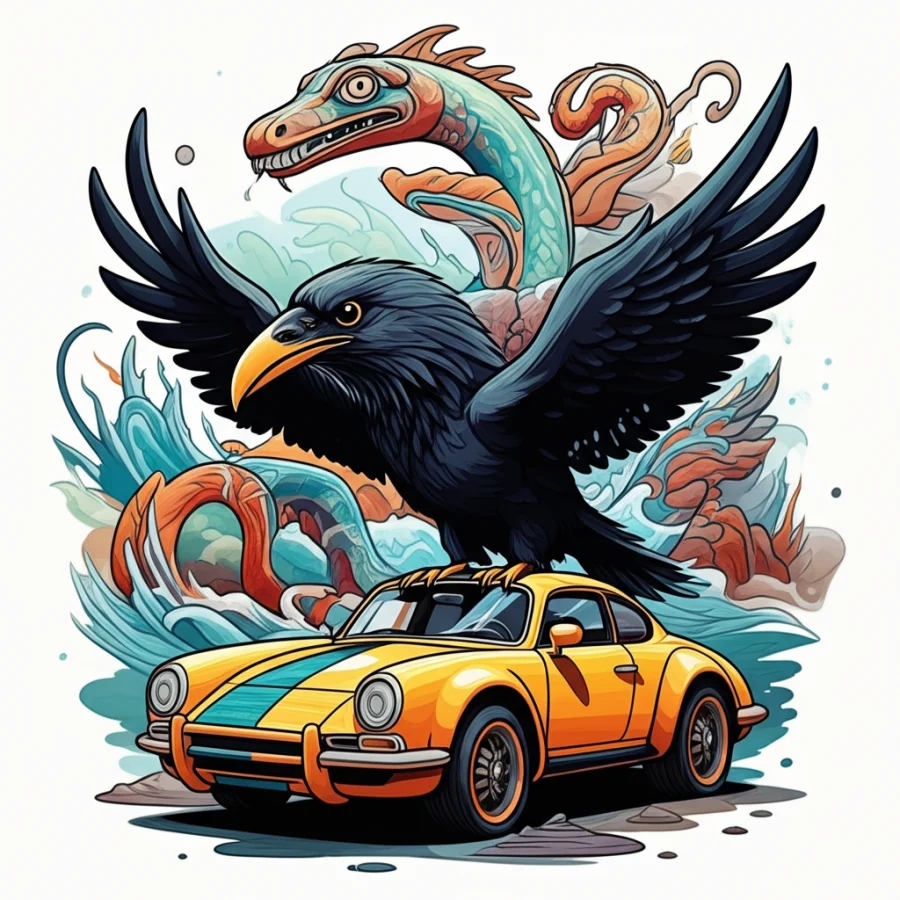
Introduction:
Whispers carried on the wind, tales etched in bone and passed down through generations – these are the legacies of ancient mythologies. Today, we explore a tapestry woven from three distinct threads: the Raven of the Pacific Northwest, the Uktena of the Southeastern Woodlands, and the spirits of the Inuit Seas. These stories, originating from vastly different cultures and geographical locations, represent the rich imaginative landscape of indigenous peoples. It is crucial to understand that these are traditional stories, expressions of cultural understanding and values, not historical accounts or religious doctrines.
Origins and Cultural Background:
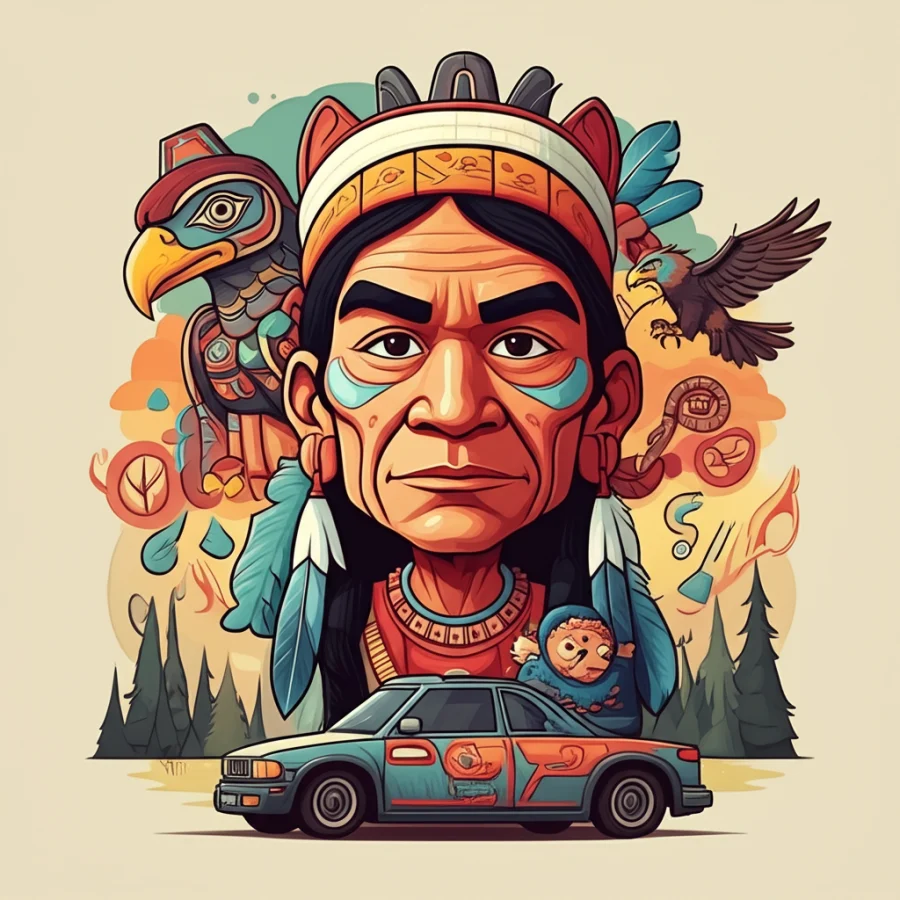
The Raven mythos primarily originates from the indigenous peoples of the Pacific Northwest Coast, including the Haida, Tlingit, and Tsimshian. Their world was one of towering forests, rushing rivers, and a bountiful ocean, all intertwined and deeply respected. They viewed the world as animate, filled with spirits and forces beyond human control. Society was structured around clans and lineages, with intricate social hierarchies reflected in their art, ceremonies, and storytelling.
The Uktena legend belongs to the Cherokee and other Southeastern Woodlands tribes. Their environment was characterized by lush forests, rolling hills, and winding rivers. They lived in settled agricultural communities, with a strong connection to the land. The Cherokee worldview emphasized balance and harmony, and they believed in a complex spiritual realm populated by various beings and spirits.
The Inuit, inhabiting the Arctic regions of North America, Greenland, and Siberia, faced a harsh and unforgiving environment. Their survival depended on their intimate knowledge of the sea ice, the weather, and the animals they hunted. Their society was traditionally nomadic, following the migrations of caribou and seals. Their spiritual beliefs centered around animism, recognizing the spirits of animals, natural phenomena, and even inanimate objects. Their myths and legends often reflected the challenges of survival and the importance of respecting the environment.
Character / Creature Description:
-
Raven: In the Pacific Northwest traditions, Raven is often depicted as a trickster figure, a shapeshifter who is both creator and chaos-bringer. He is not a god in the traditional sense, but rather a powerful being who brought light to the world, stole fire for humanity, and generally shaped the world as we know it. Symbolically, Raven represents intelligence, adaptability, and the duality of nature – creation and destruction, wisdom and foolishness.
-
Uktena: The Uktena is a serpentine creature described in Cherokee folklore. It’s often depicted with a crested head, deer antlers, and scales that shimmer like jewels. It is a powerful and dangerous being, associated with water, storms, and hidden knowledge. Symbolically, the Uktena embodies both the life-giving and destructive forces of nature. Its scales, said to be imbued with potent medicine, represent the allure of power and the potential for both healing and harm.
-
Spirits of the Inuit Seas: The Inuit pantheon is populated by numerous spirits (inua), each associated with a specific aspect of the natural world. These include Sedna, the Sea Goddess, who controls the abundance of marine animals, and various other spirits associated with the wind, ice, and weather. Symbolically, these spirits represent the Inuit’s deep connection to the environment and their understanding of the forces that govern their lives.
Main Story / Narrative Retelling:
Raven’s Dawn:
In the dim ages before time took shape, darkness cloaked the world. The ancient ones tell that Raven, not yet black but pure white as the first snow, felt a stirring of restlessness. He knew of a powerful being who hoarded all the light in a cedar box, keeping it for himself. Raven, driven by curiosity and a touch of mischief, set out to steal the light.
He transformed himself into a hemlock needle and floated into the stream where the being’s daughter drew water. She drank, and Raven entered her, causing her to give birth to a son. The being, delighted, doted on the child. Raven, in his infant form, cried and cried, pointing at the cedar box. Finally, in exasperation, the being opened it, and Raven, in his true form, burst forth, scattering the stars across the sky, releasing the moon, and flinging the sun into its orbit. The world was bathed in light, but in his haste, Raven was singed by the sun’s flames, turning his feathers black forever.
Uktena’s River:
Deep in the heart of the Cherokee lands, where the rivers snaked through ancient forests, lived the Uktena. Its scales shimmered with all the colors of the rainbow, its antlers were like branches of lightning, and its eyes held the wisdom of ages. People whispered of its power, its ability to control the waters, to summon storms, and to bring both life and death.
A young warrior, driven by pride and a desire for power, sought to slay the Uktena and claim its magical scales. He followed the river to its source, where the creature lay coiled in a deep pool. The battle was fierce, the earth trembled, and the water churned. The warrior, though brave, was no match for the Uktena’s might. As the creature reared to strike the final blow, the warrior realized his folly. He had sought to conquer nature, but nature could not be conquered, only respected.
Inuit Seas, Sedna’s Plea:
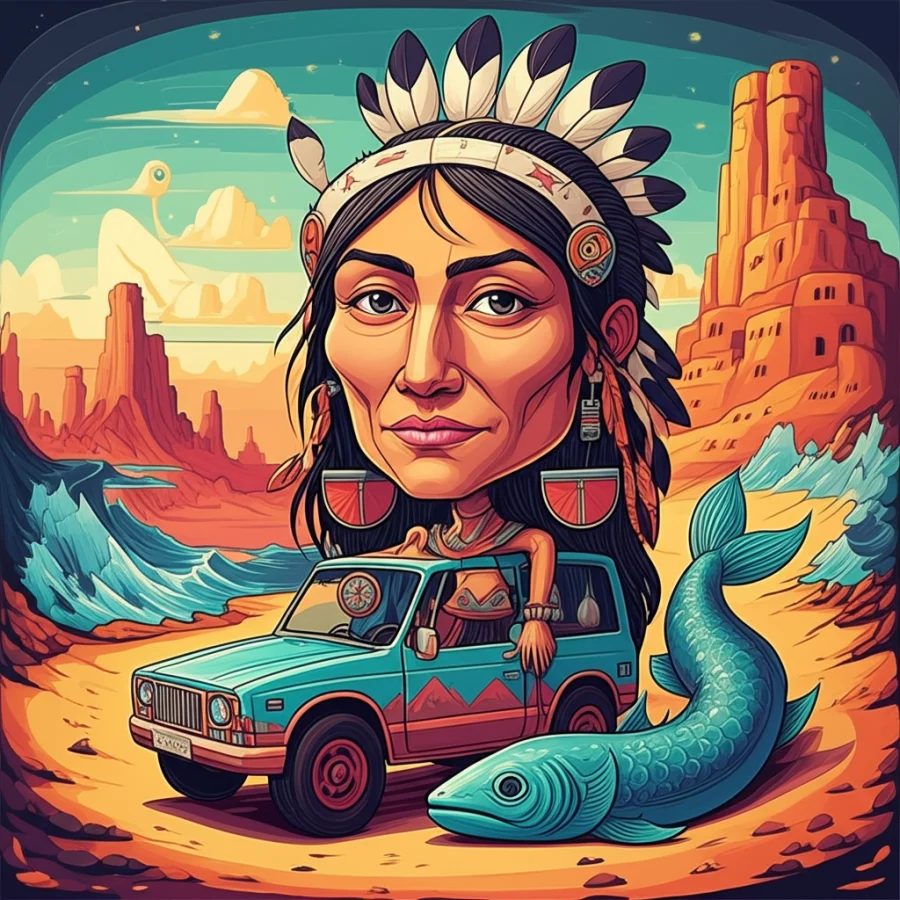
In the icy realm where the sky met the sea, lived the Inuit people, their lives intertwined with the spirits of the land and water. Sedna, the Sea Goddess, ruled the depths, controlling the seals, whales, and fish that sustained the people.
One winter, the hunt grew lean. The seals vanished, the whales did not surface, and hunger gnawed at the people. The shaman journeyed to the depths, seeking Sedna’s favor. He found her angered by the people’s disrespect for the animals, their wastefulness, and their disregard for the balance of nature. Sedna demanded that the people cleanse themselves of their wrongdoing, that they honor the animals they hunted, and that they live in harmony with the sea. Only then would the bounty return.
Symbolism and Meaning:
These stories, while distinct, share common threads. The Raven embodies the themes of creation, transformation, and the consequences of actions. The Uktena represents the power and danger of the natural world, the need for respect and balance. Sedna’s story emphasizes the importance of environmental stewardship and the consequences of disrespecting the natural world.
For the ancient people who told these tales, they were more than just entertainment. They were lessons about morality, leadership, the power of nature, and the importance of community. They provided a framework for understanding the world around them and their place within it.
Modern Perspective:
Today, these myths and legends continue to resonate in literature, film, and cultural studies. The Raven has become a symbol of indigenous identity and resistance, appearing in numerous works of art and literature. The Uktena has been reimagined as a fearsome creature in fantasy novels and video games. Sedna’s story serves as a powerful reminder of the importance of environmental conservation and the interconnectedness of all living things. These myths are not relics of the past but living traditions that continue to inspire and inform contemporary culture.
Conclusion:
These stories of Raven, Uktena, and the spirits of the Inuit Seas are testaments to the power of the human imagination and the enduring legacy of cultural traditions. They offer valuable insights into the beliefs, values, and worldviews of the indigenous peoples who created them. It is essential to remember that these are cultural stories, not historical accounts or religious doctrines.
As Muslims, we recognize that only Allah is the true Creator and Sustainer of the universe. He is the source of all power and wisdom. While we appreciate the richness and diversity of human cultures and storytelling traditions, we affirm our belief in the oneness of Allah and the teachings of Islam. The stories of Raven, Uktena, and Sedna are part of our shared human heritage, reminding us of the importance of cultural understanding, imagination, and the power of storytelling. These stories enrich our understanding of the world and the people who inhabit it, fostering respect for diverse cultures and perspectives.