fufufafa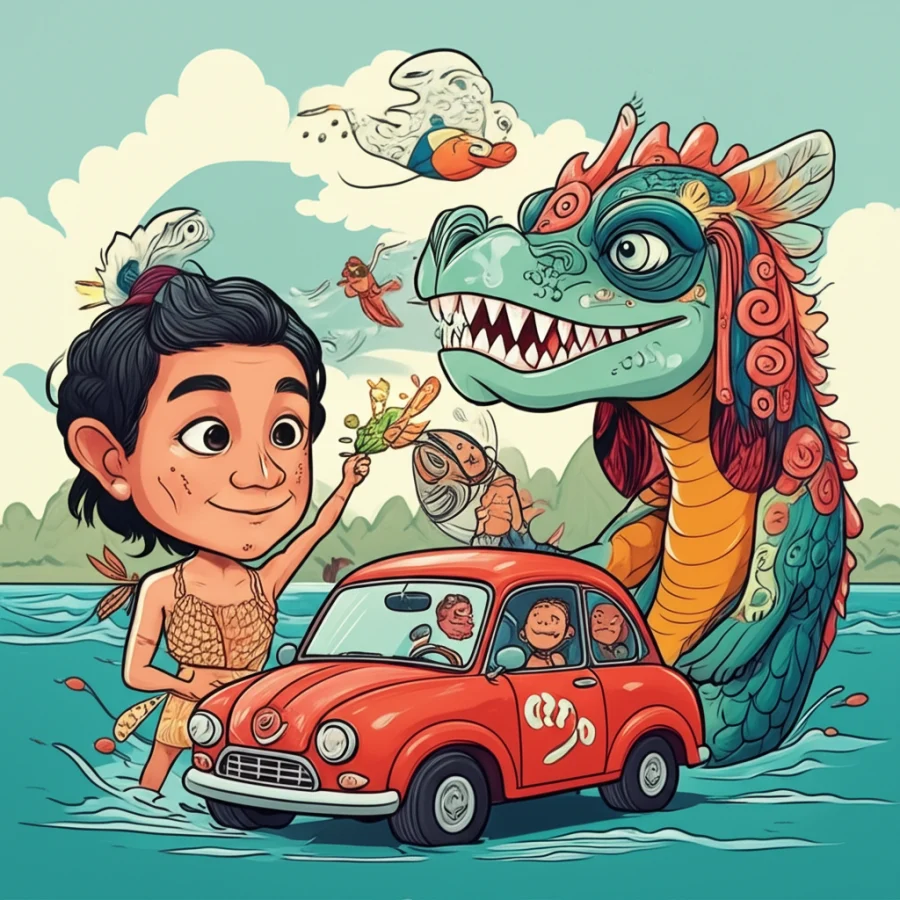
Across the vast, shimmering expanse of the Pacific, where volcanic islands pierce the azure sky and emerald forests cascade down to meet the restless ocean, lies Aotearoa – the Land of the Long White Cloud. For millennia, this land has been the cradle of the Māori people, a culture steeped in rich oral traditions and profound connections to the natural world. Among the many stories woven into the fabric of their heritage, none resonate quite as deeply as those of the taniwha, ancient beings said to inhabit the waterways and coastlines of this breathtaking archipelago. These are not tales of deities to be worshipped, but rather ancestral narratives, passed down through generations, offering glimpses into the worldview of ancient peoples and their relationship with the formidable forces of nature.
The era in which these myths likely took root was one of deep reverence for the elements. Life for early Māori was intrinsically tied to the rhythms of the sea, the rivers, and the land. Their survival depended on understanding the often-unpredictable moods of the ocean, the bountiful gifts of the earth, and the hidden dangers that lurked within the shadows. The world, to them, was alive with spirit, a vibrant tapestry where the physical and the spiritual realms were not distinctly separated but intertwined. It was a time when observation, interpretation, and storytelling were paramount in navigating existence. The taniwha, in this context, served as potent metaphors for the untamed power of nature, the awe-inspiring forces that shaped their lives, and the respect that such power demanded.
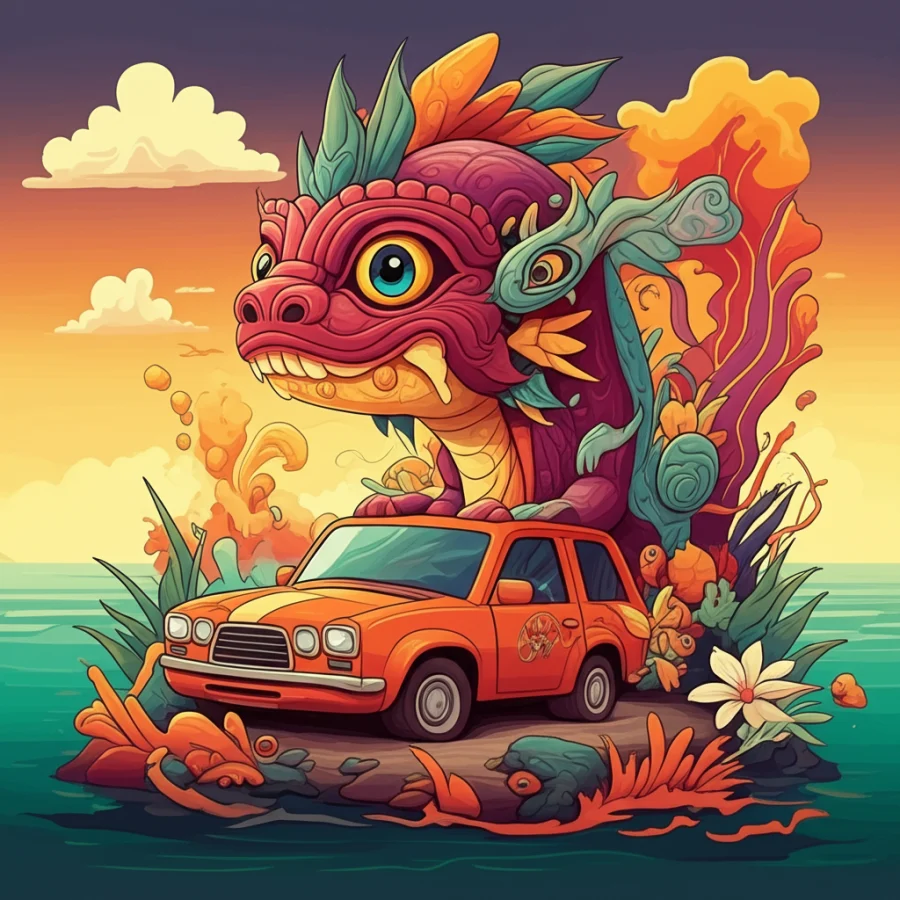
The taniwha themselves are figures of immense, often fearsome, presence. They are described as colossal reptilian or serpentine creatures, their forms varying greatly depending on the specific region and the particular story being told. Some are depicted with scales like ancient armour, eyes that gleam with primal wisdom, and powerful jaws capable of swallowing a waka (canoe) whole. Others are more ethereal, their forms shifting and blending with the mist and the currents. They are said to inhabit deep pools in rivers, treacherous ocean currents, caves along the coastline, and even subterranean waterways. Their symbolic attributes are varied: they can represent the raw, untamed power of water, the hidden dangers of the sea and rivers, and the guardians of specific territories. They can also embody the spirit of a place, a manifestation of its unique character and history. To some, they were seen as guardians, protectors of their people and their ancestral lands, while to others, they were forces to be appeased and respected, lest their wrath be incurred.
One such narrative, often whispered along the windswept shores of the North Island, tells of Hina, a woman of extraordinary beauty and grace, and her entanglement with a formidable taniwha named Tuhirangi. Hina, renowned for her weaving skills and her gentle spirit, lived a life of harmony with her community. However, her serenity was disrupted when Tuhirangi, a powerful taniwha who dwelled in a deep, shadowed pool of a significant river, became fixated on her. Tuhirangi was a creature of immense power, his form said to be like a mighty eel, his scales shimmering with the colours of the riverbed, and his eyes holding the ancient, unyielding gaze of the deep. He was a symbol of the river’s unpredictable currents and its hidden, often dangerous, depths.
Tuhirangi, driven by a possessive desire, sought to claim Hina for himself. He would rise from his watery lair, his immense body rippling, and attempt to drag her into the depths. Hina, however, was not a passive victim. She was a woman of intelligence and courage. Through her own resourcefulness and the aid of others, she devised a plan to outwit the powerful taniwha. The details of her escape varied across retellings, but often involved clever deceptions, the use of potent herbs, or the invocation of protective chants. In some versions, Hina used her keen understanding of the natural world, observing the taniwha’s habits and weaknesses, to secure her freedom. She might have used a specially crafted lure, or perhaps navigated the treacherous waters with a swiftness that eluded the slower-moving taniwha. Ultimately, Hina managed to escape Tuhirangi’s grasp, leaving the taniwha in his watery domain, a potent reminder of the challenges faced by those who dared to venture into the unknown.
The symbolism embedded within these stories is rich and multifaceted. The taniwha, as embodiments of natural forces, served as a powerful way for ancient peoples to comprehend and respect the world around them. The unpredictable nature of rivers and oceans, the sudden storms, the hidden dangers beneath the surface – these were all personified by the taniwha. They represented the awe-inspiring power of creation and destruction, forces that demanded caution and respect. Furthermore, stories like that of Hina and Tuhirangi often carried moral lessons. Hina’s intelligence and courage in overcoming a formidable adversary spoke to the importance of wit, resilience, and inner strength. Tuhirangi, on the other hand, could represent unchecked desire, possessiveness, and the dangers of arrogance. The taniwha could also be seen as guardians of ancestral lands and sacred places, their presence a testament to the enduring spirit of the land and the importance of maintaining a respectful relationship with it.
In contemporary Aotearoa, the echoes of the taniwha continue to resonate. They are no longer solely figures of ancient folklore but have found new life in a vibrant landscape of literature, film, and art. Authors weave them into fantastical tales, exploring their mythical origins and their place in a modern world. Filmmakers bring their imposing forms to the screen, captivating audiences with their majesty and their mystery. In cultural studies, taniwha are examined as potent symbols of Māori identity, their stories offering insights into the values, beliefs, and worldview of this indigenous culture. They are a testament to the enduring power of oral tradition and the ability of mythology to adapt and evolve.
It is important to reiterate that these are traditional stories, deeply rooted in the cultural heritage of the Māori people. They are narratives that reflect a particular way of understanding the world, a time when the lines between the natural and the supernatural were more fluid. As Muslims, we recognize that only Allah (God) is the true Creator and Sustainer of all existence, and that all power and authority reside solely with Him. These stories, however, offer a profound window into the human experience – our innate need to explain the inexplicable, to find meaning in the chaos of nature, and to pass down wisdom and cautionary tales through the timeless art of storytelling. The myths of the taniwha, like echoes from ancient shores, remind us of the enduring power of imagination, the richness of cultural heritage, and the universal human impulse to connect with the stories that shape our understanding of ourselves and the world around us.