fufufafa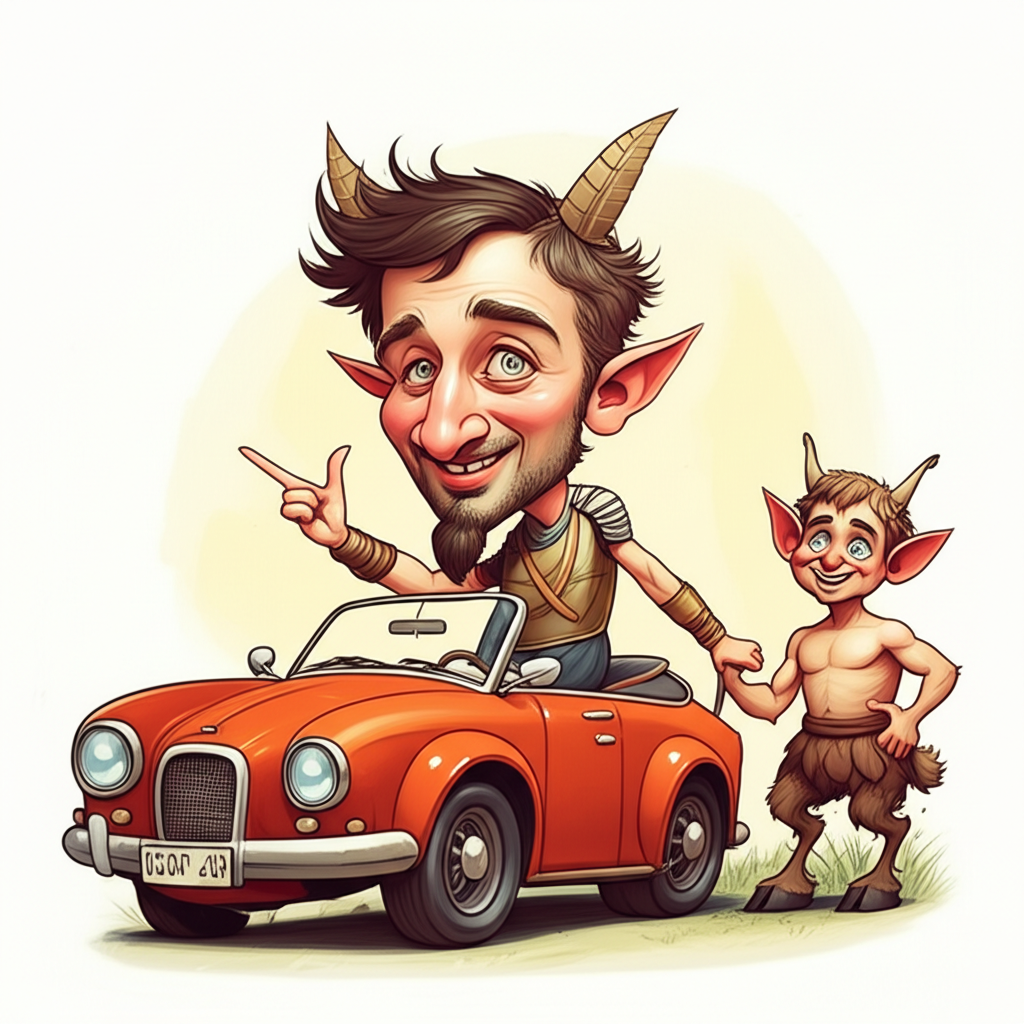
Ancient Rome, a civilization that etched its name into the very foundations of Western culture, was a land steeped in stories. These narratives, passed down through generations, were not merely entertainment but vital lenses through which the Romans understood their world, their gods, and their place within the grand tapestry of existence. Among the myriad figures that populated their rich mythological landscape, few embody the untamed spirit of the Roman countryside quite like the Faunus. This article delves into the lore surrounding these mythical beings, exploring their origins, their symbolic resonance, and how their tales continue to echo in our modern imagination, all while understanding them as products of ancient storytelling.
The myth of the Faunus originates from the heart of ancient Roman belief systems, particularly during the periods when their empire was taking shape and their pantheon of gods was solidifying. These were times when the lines between the human and the divine, the civilized and the wild, were perceived as far more fluid than they are today. The Romans, an agrarian society deeply connected to the land, saw the natural world not as a passive backdrop but as a dynamic entity teeming with unseen forces. Their world was one where the rustling of leaves, the murmur of streams, and the very fertility of the soil were attributed to the presence and influence of spirits and deities. The Faunus, therefore, emerged from this worldview, a personification of the wild, fertile, and often unpredictable aspects of nature.
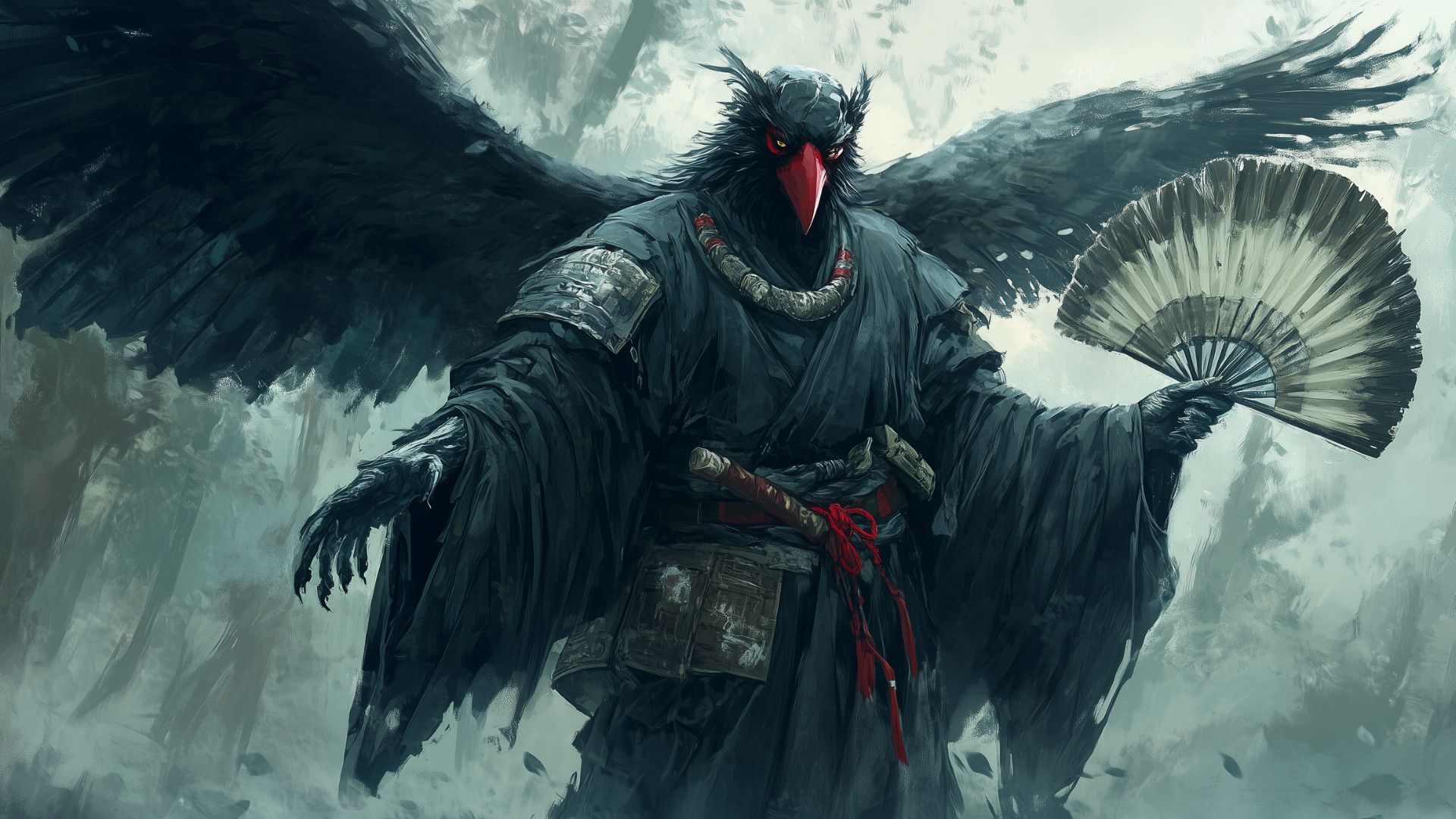
The Faunus, as depicted in ancient Roman folklore, was a creature of the forest and the wild places. Imagine a being that walked the earth with the grace of a deer and the wisdom of an ancient tree. Often described as having the legs and horns of a goat or a stag, their upper bodies were typically human-like, though perhaps more rugged and primal. Their skin might have been bark-like, or covered in a fine moss, and their eyes often held a wild, knowing glint, reflecting the untamed spirit of their domain. They were seen as custodians of the forests, guardians of the woodlands, and possessors of a deep, innate knowledge of the natural world. They were not beings to be trifled with; their laughter could be the joyful sound of a babbling brook, or their anger the sudden fury of a storm. Their presence was often marked by a subtle shift in the atmosphere, a feeling of ancient energy that permeated the very air.
The narrative of an encounter with a Faunus is not a single, codified tale but rather a tapestry woven from various anecdotal accounts and literary descriptions. Picture this: a lone traveler, perhaps a shepherd or a hunter, venturing deep into the rolling hills and dense forests that surrounded the nascent city of Rome. The sun, having climbed its zenith, begins its descent, casting long shadows that dance like phantoms. The familiar paths of the day begin to twist and turn, and a subtle unease settles upon the traveler. The usual chirping of birds quiets, replaced by an unnerving stillness. Then, from the dappled shade of an ancient oak, or perhaps emerging from the mists that clung to a secluded glen, a figure appears.
It is a Faunus. The traveler, struck by a mixture of awe and apprehension, stands frozen. The creature’s eyes, keen and ancient, meet theirs. There might be a moment of silent communion, a recognition of the primal world meeting the encroaching order of humanity. The Faunus, with a gesture that could be a beckoning or a warning, might lead the traveler to a hidden spring of the purest water, or reveal a patch of rare herbs. Or, perhaps, their encounter is more unsettling. The Faunus might, with a mischievous glint, lead the traveler astray, their laughter echoing through the trees, a reminder of the unpredictable nature of the wild. The encounter is rarely about divine intervention or grand pronouncements, but about a fleeting brush with the untamed, a glimpse into the hidden life of the natural world. It is a story about respecting the boundaries of the wild, and acknowledging the forces that lie beyond human comprehension.
The symbolism embedded within these stories of the Faunus is rich and multifaceted. They represented the raw, untamed power of nature, a force that could be both benevolent and dangerous. Their connection to the forests and wilderness symbolized fertility, growth, and the cyclical nature of life and death. For the Romans, who relied heavily on agriculture and the bounty of the land, the Faunus could have embodied a plea for good harvests and a respect for the natural cycles. They also served as a reminder of the unknown, the mystical elements that existed beyond the ordered world of human civilization. The mischievous or sometimes frightening aspects of the Faunus could reflect the inherent fears of the unknown and the dangers that lurked in the wilderness. In essence, the Faunus represented the spirit of the wild, a force that needed to be understood, respected, and sometimes appeased.
In the modern world, the legacy of the Faunus endures not as a literal belief, but as a potent symbol in our cultural narratives. These mythical beings continue to inspire authors, artists, and creators across various mediums. In literature, they might appear as enigmatic forest spirits, guardians of ancient lore, or even as figures representing the call of the wild against the constraints of modern society. In fantasy literature and role-playing games, the archetypes of satyrs and fauns, directly influenced by their Roman predecessors, are common tropes, often embodying sensuality, revelry, or a connection to primal magic. Films and visual arts often draw upon their imagery to evoke a sense of the mystical and the natural, reminding us of the enduring human fascination with the wild and the supernatural. They serve as a reminder of the power of imagination and the enduring human need to populate the world with stories that explain the inexplicable and celebrate the mysteries of existence.
In conclusion, the tales of the Faunus of Rome are a fascinating window into the imaginative world of ancient peoples. They are not factual accounts, nor are they meant to be adopted as beliefs. They are cultural artifacts, born from a time when humanity sought to explain the world around them through rich storytelling and personification. As Muslims, we understand that all creation, the seen and the unseen, originates from and is sustained by Allah, the One True Creator. These ancient myths, however, offer us a valuable opportunity to appreciate the depth of human cultural heritage, the power of collective imagination, and the timeless tradition of storytelling that continues to shape our understanding of ourselves and the world. The echoes of the Faunus, though rooted in a distant past, remind us of the enduring human connection to nature and the stories we tell to make sense of its magic.