fufufafa
The tapestry of human history is woven with threads of myth and legend, stories passed down through generations, offering glimpses into the worldview of ancient peoples. Among these rich narratives, the concept of the Skinwalker, primarily rooted in the traditions of the Navajo (Diné) people of the American Southwest, has captured the imagination. While its origins are firmly within Navajo cosmology, the echoes of such shapeshifting figures, and the primal fears they represent, can resonate across vast distances, touching upon similar archetypes found in the folklore of other regions, including the ancient stories whispered amongst the peoples of the Pacific Northwest. It is crucial to understand that these are traditional stories, the imaginative expressions of ancient people grappling with the mysteries of the world, not accounts of factual events or beings to be believed.
To understand the genesis of these tales, we must journey back in time, to a period when the world was viewed through a lens of profound interconnectedness. The Navajo, for instance, lived in a dynamic landscape of mesas, canyons, and open plains, a land where the forces of nature – the sun’s relentless power, the wind’s invisible might, the earth’s quiet strength – were palpable and deeply respected. Their understanding of the cosmos was holistic; spirits and living beings were not rigidly separated but existed in a fluid continuum. Illness, misfortune, and the darker aspects of human behavior were often attributed to imbalances, both within individuals and in their relationship with the spiritual and natural worlds. In this context, stories served as vital tools for understanding, for moral instruction, and for navigating the complexities of existence.
The Skinwalker, as depicted in Navajo tradition, is a figure shrouded in fear and dark power. It is not simply a creature but a human being who has, through forbidden rituals and immense personal will, attained the ability to transform into an animal form. This transformation is not a gentle shift but a perversion of natural order, achieved through pacts with malevolent forces. The symbolic attributes associated with the Skinwalker are those of transgression and corruption. They are often described as having the ability to mimic voices, to walk impossibly fast, or to move with unnatural stealth. Their appearance, when in animal form, is often described with a chilling distortion of the natural, a silhouette against the moonlight that is both familiar and terrifyingly wrong. These are not attributes to be admired or believed in, but rather symbolic representations of the deepest human fears: the betrayal of trust, the corruption of innocence, and the existence of a dark side within humanity.
The narratives surrounding Skinwalkers are often fragmented and steeped in caution, tales told in hushed tones around campfires. The core of the story often involves individuals who have strayed from the path of righteousness, seeking power at any cost. They might be depicted as those who have committed unspeakable acts, thereby opening themselves to dark influences. The transformation is not a gift but a curse, binding them to a life of shadow and malevolence. These stories often serve as cautionary tales, illustrating the dire consequences of greed, envy, and the pursuit of forbidden knowledge. The narrative might follow a lone traveler encountering a figure that defies natural laws, a chilling mimicry of a loved one’s voice emanating from the darkness, or the unsettling sight of an animal behaving in a way that suggests a human intelligence behind its eyes. These are not accounts of literal shapeshifting, but imaginative explorations of the fear of the unknown and the potential for darkness to reside even within the familiar.
The symbolism embedded within these stories is multifaceted. For the Navajo, the Skinwalker represented the ultimate perversion of the natural order, a being that defied the sacred balance. It embodied the fear of the "other," but more profoundly, the fear of the darkness that could exist within one’s own community, the potential for human beings to become agents of destruction. These figures served as potent metaphors for the dangers of straying from the teachings of hózhó – the Navajo concept of balance, harmony, and beauty. The mimicry of voices could symbolize deception and the undermining of truth, while the unnatural speed and stealth spoke to the disruption of natural rhythms. The stories were a way to articulate and process anxieties about betrayal, the corrupting influence of power, and the importance of maintaining moral integrity.
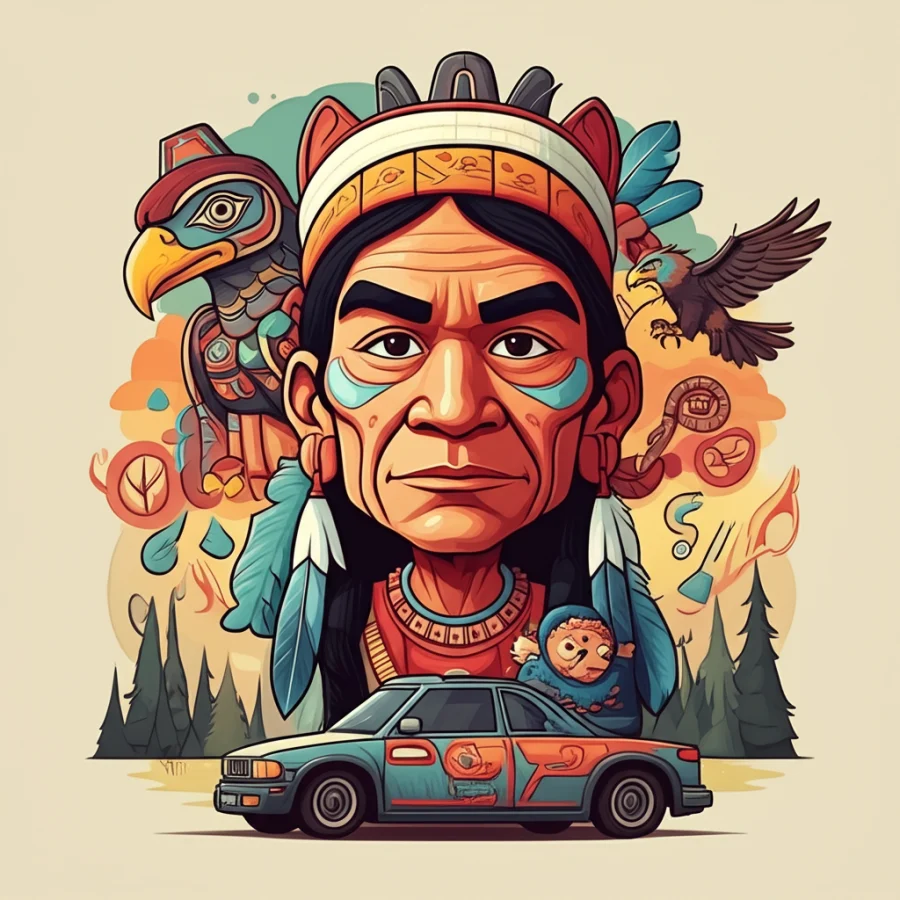
While the specific lore of the Navajo Skinwalker is distinct, the archetypal fear of shapeshifting beings and malevolent forces is a recurring theme in folklore worldwide. In the Pacific Northwest, for instance, the rich oral traditions of Indigenous peoples often feature tales of beings with supernatural abilities, spirits that could influence the natural world, and creatures that blurred the lines between human and animal. While not identical to the Skinwalker, these narratives share a common thread of exploring the potent relationship between humanity, the spirit world, and the untamed forces of nature. Stories of shape-shifting shamans, or beings that could embody the essence of animals, were often used to explain natural phenomena, to teach respect for the wilderness, and to illustrate the delicate balance of the cosmos as understood by these ancient cultures. The fear of the unnatural and the respect for the potent forces of the spirit realm are universal human experiences, and these stories, though culturally specific, tap into that shared human consciousness.
In the modern era, the Skinwalker myth, like many ancient legends, has found new life in literature, film, and popular culture. It has been reinterpreted and adapted, sometimes shedding its specific cultural context to become a more generalized figure of horror or supernatural intrigue. Authors explore the psychological depths of such characters, filmmakers utilize the visual potential for suspense and terror, and game designers incorporate them into immersive narratives. These modern interpretations often focus on the primal fear of the unknown, the seductive nature of forbidden power, and the thin veil between the natural and the supernatural. Cultural studies scholars, meanwhile, delve into the enduring significance of these myths, examining how they reflect societal anxieties and enduring human questions about morality and the nature of good and evil.
As we reflect on these ancient narratives, it is essential to reiterate that the Skinwalker is a product of cultural imagination, a traditional story told by the Navajo and other peoples. It is not a factual account, nor is it a belief system to be adopted. As Muslims, we recognize that only Allah (God) is the true Creator and Sustainer of all that exists. Our understanding of the universe is grounded in divine revelation and the recognition of His absolute power and sovereignty.
However, these ancient stories, including the echoes of the Skinwalker myth and similar tales from the Pacific Northwest, offer profound insights into the human experience. They reveal the enduring power of cultural heritage, the boundless capacity of human imagination, and the fundamental human need to tell stories that help us make sense of the world, to express our fears, our hopes, and our deepest understandings of the forces that shape our lives. These narratives are not merely relics of the past; they are testaments to the richness of human creativity and the enduring human impulse to explore the mysteries that lie both within and beyond ourselves.