fufufafa
In the tapestry of ancient Filipino folklore, woven from the whispers of the wind through nipa palms and the rhythmic crashing of waves against coral reefs, lies the captivating myth of Bakunawa and the River of Souls. This is not a tale of historical record or religious doctrine, but a profound narrative passed down through generations by the indigenous peoples of the Philippines, a testament to their deep connection with the natural world and their imaginative attempts to explain its mysteries. These stories, born from a time when the cosmos was a vast, untamed expanse and the earth a living, breathing entity, offered frameworks for understanding phenomena that science had yet to unravel.
Imagine a time, perhaps centuries ago, when the islands of the Philippines were a vibrant mosaic of lush rainforests, volcanic peaks, and an ocean teeming with life. The communities then lived in close proximity to nature, their lives dictated by the cycles of the sun and moon, the bounty of the sea, and the fury of typhoons. Their worldview was animistic; spirits were believed to inhabit trees, rivers, mountains, and the very air they breathed. The cosmos was often perceived as a grand, interconnected realm, where the celestial and earthly planes were not entirely separate, and where powerful, primordial beings held sway over the forces of existence. The myth of Bakunawa likely emerged from this fertile ground of belief, reflecting a deep reverence for, and perhaps a healthy apprehension of, the immense power of the celestial bodies and the churning depths of the ocean.
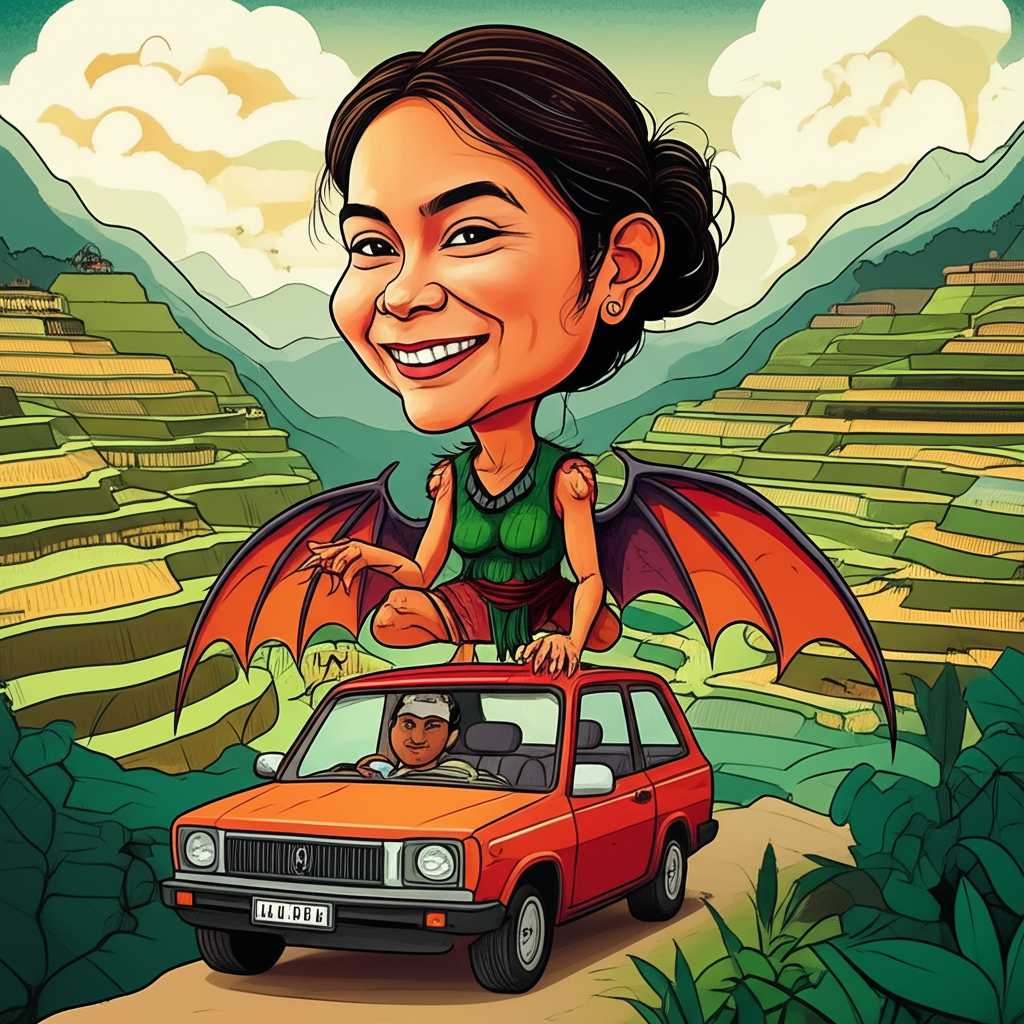
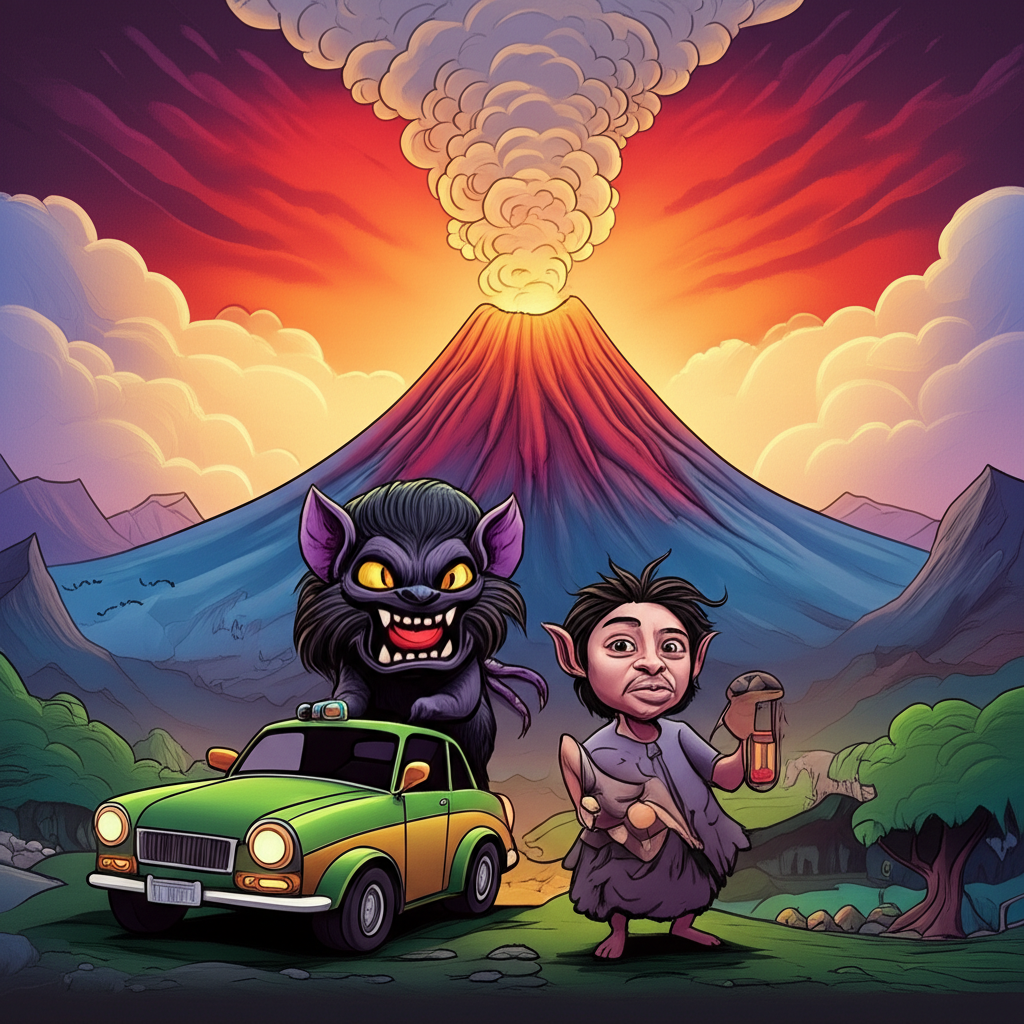
At the heart of this myth is Bakunawa, often depicted as a colossal serpent or dragon, a creature of immense power and insatiable appetite. Its scales were said to shimmer with the iridescence of moonlight and the deep blues of the abyss. Unlike the benevolent guardians found in some mythologies, Bakunawa was often portrayed as a force of cosmic disruption. Its symbolic attributes spoke to the primal fears of the unknown, the overwhelming power of natural disasters, and the cyclical nature of destruction and renewal. The serpent form itself is a potent symbol across many cultures, representing primordial chaos, cyclical transformations, and the hidden forces of the earth and heavens. In the context of the Philippines, an archipelago prone to earthquakes, volcanic eruptions, and powerful storms, a creature embodying such destructive potential would have been a potent figure in their oral traditions.
The narrative of Bakunawa and the River of Souls unfolds with a celestial drama. The ancient people believed that there were seven moons, each a luminous pearl adorning the night sky. Bakunawa, consumed by an unending hunger, would ascend from its watery lair to devour these celestial orbs. The sight of a moon disappearing from the night sky was not merely an astronomical event; it was a terrifying sign of Bakunawa’s ascent. The people would then engage in rituals, beating gongs and drums, creating a cacophony of sound to frighten the creature away and coax it to release its luminous prey. Their collective effort was an attempt to restore cosmic balance, a testament to their belief that even in the face of overwhelming power, their actions could have an impact on the celestial realm.
The "River of Souls," in some interpretations of this myth, is a metaphorical or spiritual waterway that connects the earthly realm to the afterlife, or perhaps a cosmic current that carries the essence of life and death. When Bakunawa devoured the moons, it wasn’t just the light that was extinguished; it was believed to disrupt the flow of souls, causing chaos in the spiritual currents. The fear associated with Bakunawa’s actions was not solely about the darkness that descended upon the land, but also about the potential disruption of the natural order, including the journey of souls. Some versions of the myth suggest that Bakunawa’s hunger was so profound that it would even attempt to swallow the sun, plunging the world into eternal darkness. The collective efforts of humanity, their noise and their resilience, were thus not just about saving the moons, but about preserving the very fabric of existence.
The symbolism woven into this myth is rich and multifaceted. Bakunawa’s hunger can be seen as representing the insatiable forces of nature – the relentless erosion of coastlines, the destructive power of volcanoes, the overwhelming might of typhoons. The seven moons could symbolize the celestial order, the rhythm of time, and the sources of light and guidance. The act of devouring them speaks to the fragility of this order in the face of primal, untamed forces. The River of Souls, as a concept, touches upon universal human concerns about mortality, the afterlife, and the continuity of existence. The rituals performed by the people highlight their belief in the power of community, collective action, and the human capacity to confront and, in some way, influence even the most formidable of cosmic challenges. It also reflects a worldview where the spiritual and the physical were deeply intertwined, and where human actions could resonate beyond the tangible world.
In the modern era, the myth of Bakunawa continues to spark imaginations. It finds new life in literature, where contemporary Filipino authors re-envision these ancient tales for new audiences, exploring themes of identity, heritage, and the enduring power of folklore. In visual media, from animated films to video games, Bakunawa has been depicted as a formidable antagonist, a majestic creature of myth, its serpentine form and celestial appetite lending themselves to dramatic and visually striking representations. Cultural studies scholars delve into these narratives to understand the historical worldview, the societal anxieties, and the creative spirit of the ancient Filipinos. These interpretations are not about reviving ancient beliefs but about understanding the cultural DNA that continues to shape contemporary Filipino identity and artistic expression.
It is crucial to reiterate that the story of Bakunawa and the River of Souls is a traditional narrative, a product of the imaginative and spiritual landscape of ancient peoples. It is not a factual account, nor is it a call to belief or worship. As Muslims, we recognize that only Allah (God) is the true Creator and Sustainer of all existence, the One who holds dominion over the heavens and the earth. This understanding shapes our perspective on such myths. We approach them not with reverence for their mythical figures, but with an appreciation for their role as cultural artifacts. They offer us a window into the human condition, into the universal quest to understand our place in the universe, and into the enduring power of storytelling to transmit knowledge, values, and the rich tapestry of human imagination across generations. These ancient tales, like the faint echo of a forgotten song, remind us of the vibrant heritage that continues to enrich our understanding of the world and the diverse ways in which humanity has sought meaning in the face of the sublime and the mysterious.