fufufafa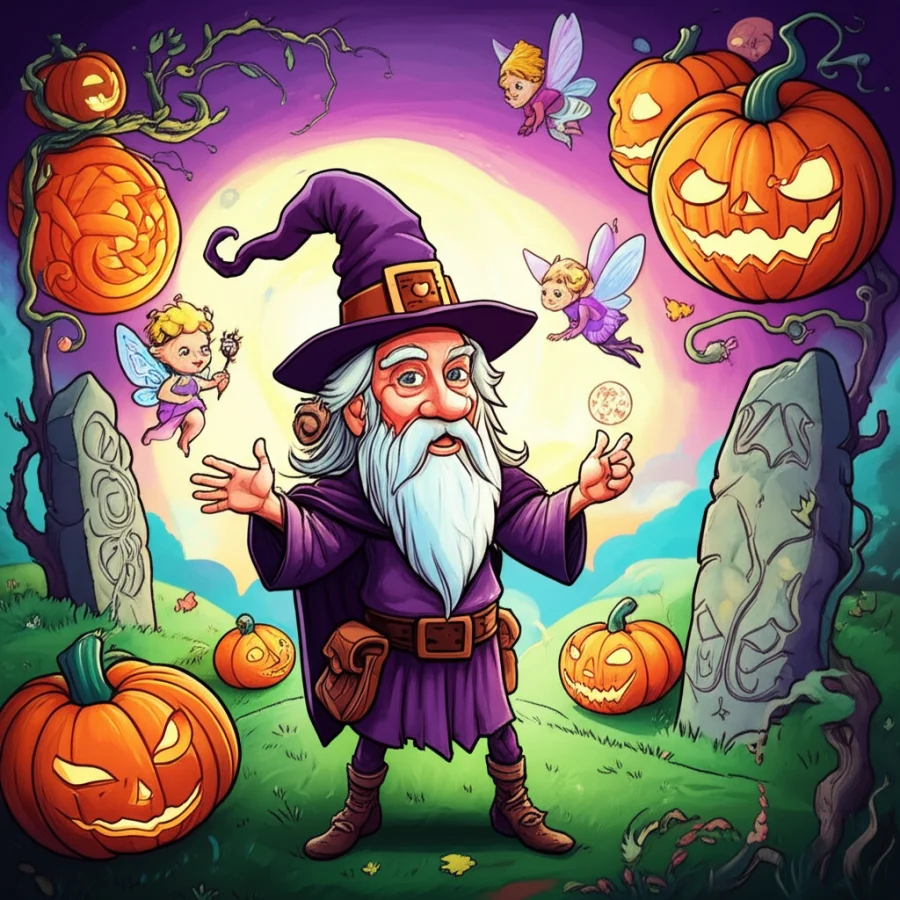
Introduction:
The whispers of Samhain and the legendary island of Avalon echo from the mists of Celtic tradition, specifically from the regions that now encompass Ireland, Britain, and parts of continental Europe. This tale, passed down through generations by word of mouth and later recorded in various forms, offers a glimpse into the ancient Celtic worldview, a perspective deeply intertwined with nature, magic, and the cyclical rhythms of life and death. It is crucial to remember that the narrative we are about to explore is a traditional story, a product of the imagination and beliefs of a people long past. It is not a factual account, but a window into their cultural understanding of the world.
Origins and Cultural Background:
The Celtic world, flourishing from around 800 BC to the early medieval period, was a mosaic of tribes and cultures, each with their own variations on common themes. Theirs was an animistic worldview, perceiving spirits and deities in every aspect of the natural world – in trees, rivers, stones, and the very air itself. Time was not linear, but cyclical, mirroring the seasons and the agricultural year. Samhain, celebrated on the eve of October 31st (or sometimes observed over several days), marked the end of summer and the harvest, and the beginning of the dark, cold winter. It was believed to be a liminal time, a threshold when the veil between the worlds of the living and the dead thinned, allowing for greater interaction between them. Fear and reverence were intertwined during this period. People took precautions to ward off malevolent spirits, while also honoring their ancestors. Divination and prophecy were common practices, as the future seemed more accessible during this otherworldly window. The Otherworld, a realm of spirits, gods, and the dead, was believed to be very close at Samhain. Avalon, often associated with this Otherworld, was conceived as an enchanted island, a place of healing, magic, and eternal youth.
Character / Creature Description: The Lady of the Lake
While not strictly a creature, the Lady of the Lake is a recurring figure in Arthurian legends, often intertwined with Celtic mythology and the lore of Avalon. She is typically depicted as a powerful sorceress, guardian of sacred artifacts, and a figure of both immense beauty and potent magic. Her symbolic attributes are many: she represents the feminine power of nature, the mysteries of the Otherworld, and the wisdom hidden beneath the surface of reality. The lake itself is symbolic of the boundary between worlds, a shimmering portal to the unseen. She is a conduit, a bridge between the mortal realm and the enchanted depths of Avalon. The Lady of the Lake is a figure to be respected, not feared, and her gift of the sword Excalibur to Arthur highlights her role as a facilitator of destiny and a protector of the land. However, it is vital to understand that she is a fictional character, a creation of human imagination, and not an object of worship or a source of real power.
Main Story / Narrative Retelling:
The year was waning. The leaves, once vibrant emerald and gold, lay crisp and brown beneath the bare branches. The air held a chilling bite, a promise of the long winter to come. It was Samhain night, and the village huddled around crackling bonfires, their faces illuminated by flickering flames. Whispers carried on the wind, tales of spirits stirring, of ancestors returning, and of the veiled island of Avalon.
An old woman, Elara, the village seer, her face etched with the wisdom of years, stepped into the firelight. Her eyes, like pools of ancient knowledge, gazed into the flames as she began her tale. "On this night," she croaked, her voice raspy with age, "the veil thins. The gateway to Avalon opens, and the Lady of the Lake offers a glimpse into the future, a prophecy for the coming year."
A young man, Ronan, known for his bravery and a touch of recklessness, scoffed. "Prophecies are for the weak," he declared, "mere shadows of fear cast by the dying light."
Elara simply smiled, a knowing glint in her eyes. "Tonight, Ronan, you will be the vessel. You will venture to the shores of the hidden lake and seek the Lady’s wisdom."
Ronan, despite his bravado, felt a shiver run down his spine. He knew the legends of the lake, of its treacherous depths and the ethereal guardian who dwelled within. Guided by Elara, Ronan journeyed through the silent forest, the only light provided by the moon and the distant bonfires. He arrived at the lake, its surface shimmering like liquid silver under the moon’s gaze.
Following Elara’s instructions, Ronan spoke the ancient words of invocation, his voice trembling slightly. The water began to swirl, and a mist rose from its surface. From the heart of the mist, a figure emerged – the Lady of the Lake, radiant and otherworldly. Her eyes held the wisdom of ages, and her voice echoed with the power of the Otherworld.
She spoke not of earthly matters, but of the balance between light and darkness, of the cyclical nature of life and death. She revealed a vision of Avalon, a place of eternal spring, where the wounded king Arthur rested, awaiting the time of his return. But she also warned of a coming darkness, a corruption that threatened to engulf both the mortal realm and the enchanted island. The prophecy was veiled in symbolism, riddles wrapped in riddles, leaving Ronan to ponder its meaning.
As dawn approached, the Lady of the Lake faded back into the mist, the lake returned to its tranquil state, and the veil between worlds thickened once more. Ronan returned to the village, his mind reeling with the weight of the prophecy. He shared his vision with Elara, and together they began the arduous task of deciphering its meaning, preparing the village for the challenges that lay ahead. The prophecy of Avalon, delivered on Samhain night, had set the course for the coming year.
Symbolism and Meaning:
The Samhain prophecy of Avalon, as exemplified by Ronan’s experience, likely served several symbolic purposes for the ancient Celts. Firstly, it reflected their understanding of the cyclical nature of time and the importance of preparing for the coming winter. The prophecy itself, veiled in symbolism, represented the uncertainty of the future and the need for wisdom and guidance. The Lady of the Lake embodied the feminine power of nature and the mysteries of the Otherworld, reminding them of the interconnectedness of all things. Avalon, as a place of healing and eternal life, offered a glimmer of hope in the face of mortality and the harsh realities of their existence. The story also served as a reminder of the importance of community and the need to work together to face adversity.
Modern Perspective:
Today, the myth of Samhain and the prophecy of Avalon continue to resonate in literature, movies, games, and cultural studies. The Arthurian legends, heavily influenced by Celtic mythology, are constantly reimagined and reinterpreted. The Lady of the Lake remains a popular figure in fantasy fiction, and the island of Avalon is often depicted as a utopian ideal, a place of refuge and renewal. The themes of prophecy, magic, and the connection to nature continue to fascinate audiences, providing a glimpse into a world where the boundaries between reality and imagination are blurred. Samhain itself is now often celebrated as Halloween, a secular holiday with roots in ancient Celtic traditions.
Conclusion:
The tale of Samhain and the prophecy of Avalon is a testament to the power of storytelling and the enduring appeal of Celtic mythology. It offers a fascinating glimpse into the worldview of a people who lived in close harmony with nature and believed in the interconnectedness of all things. It is essential to remember that this is a cultural story, a product of human imagination, and not a statement of fact or a call to belief. As Muslims, we recognize that only Allah is the true Creator and Sustainer of the universe, and we place our faith solely in Him. The value of these ancient stories lies in their ability to spark our imagination, to teach us about different cultures and perspectives, and to remind us of the importance of preserving our shared human heritage. Let us appreciate these tales as works of art and cultural expression, while remaining steadfast in our faith and recognizing the ultimate truth.