fufufafa
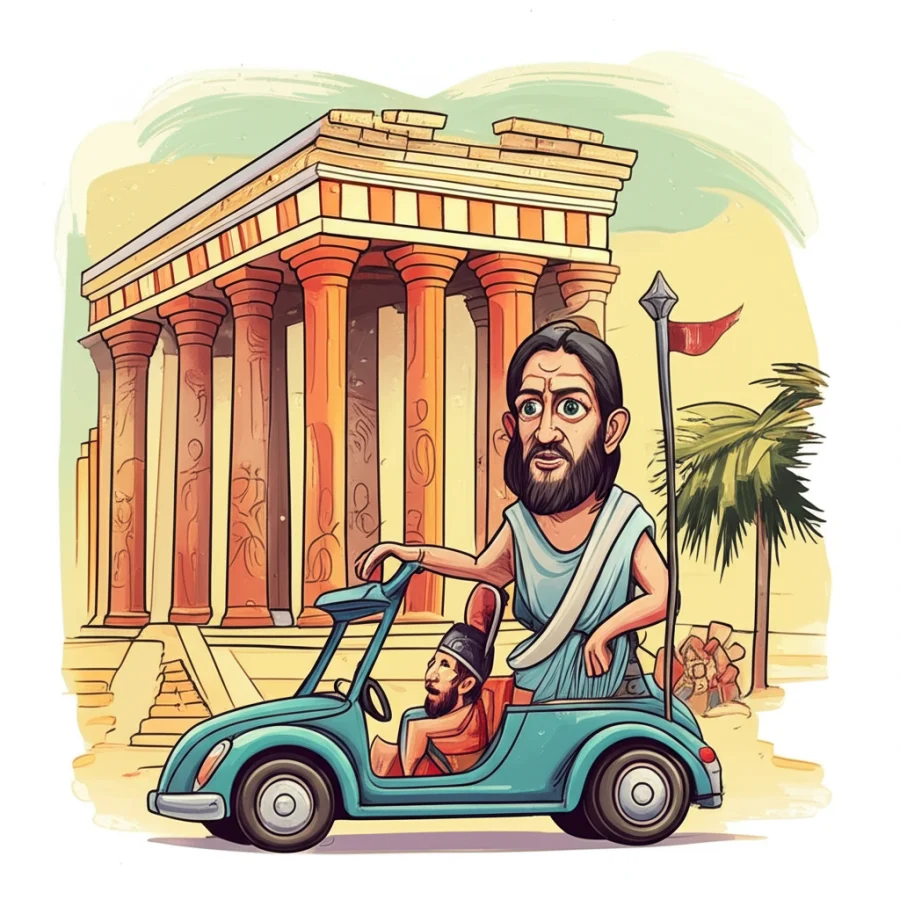
This is the story of Jason and the Voyage of the Sparta, a legendary tale woven from the threads of ancient Greek imagination. It is a story passed down through generations, a vibrant tapestry of heroes, monsters, and divine intervention that offers a glimpse into the worldview of the people who created it. This narrative, like many myths, is not presented as truth, but as a cultural artifact – a testament to the creativity and symbolic thinking of a bygone era.
Origins and Cultural Background:
The myths surrounding Jason and his quest for the Golden Fleece originated in ancient Greece, specifically during the Archaic and Classical periods (roughly 800 BCE to 323 BCE). This was a time of burgeoning city-states, intense exploration, and the development of complex philosophical and religious ideas. The Greeks were deeply connected to their environment, their lives intertwined with the cycles of nature and the unpredictable forces of the sea. Their world was populated not only by humans but also by powerful gods and goddesses who intervened in mortal affairs, and by a host of mythical creatures, both benevolent and terrifying.
The ancient Greeks lived in a world where fate and destiny were believed to play a significant role. They believed in oracles and prophecies, and their lives were often guided by the desire to appease the gods and avoid their wrath. The myths they told served multiple purposes: to explain natural phenomena, to teach moral lessons, to entertain, and to reinforce their cultural values of courage, honor, and loyalty. Heroes like Jason embodied these ideals, though often with flaws and complexities that made them relatable to the human experience. The sea, in particular, held a potent symbolic significance. It was a source of life and sustenance, but also a realm of danger and the unknown, populated by sea monsters and subject to the whims of Poseidon, the god of the sea.
Character Description: Jason
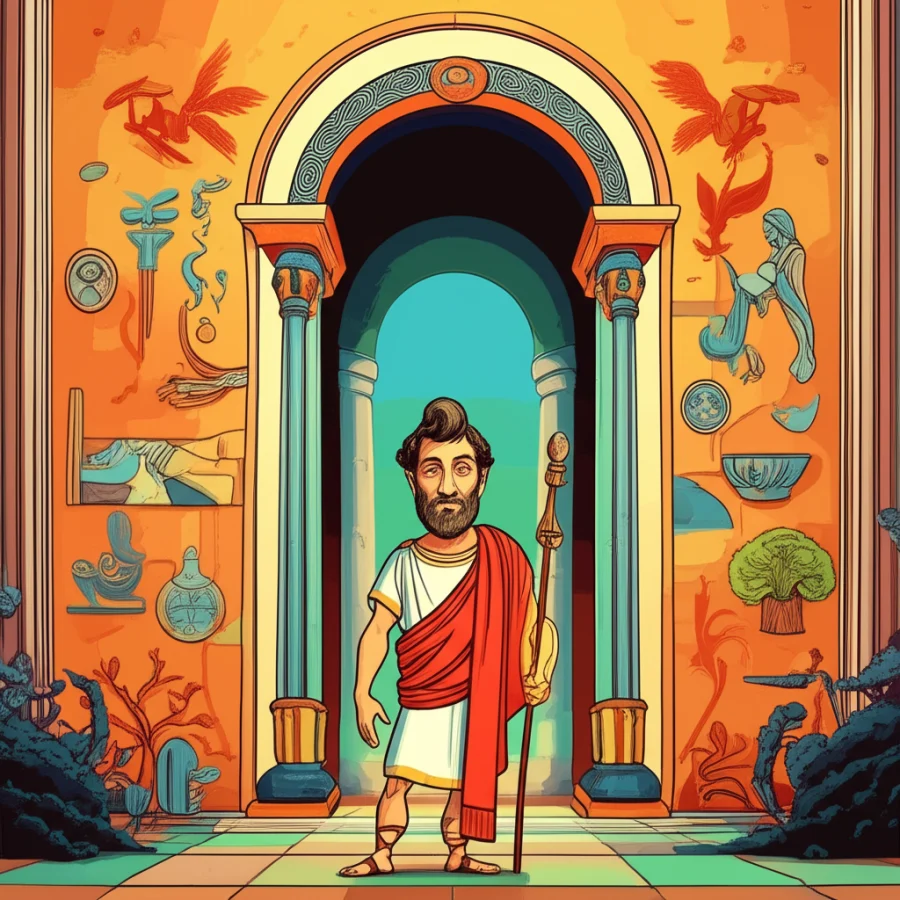
Jason, the central figure of this myth, is often portrayed as a handsome and charismatic leader, a man of courage and determination. He is the rightful heir to the throne of Iolcus, but his uncle Pelias usurped the throne and sent him on a seemingly impossible quest to retrieve the Golden Fleece from Colchis, a distant and dangerous land.
While often depicted as a hero, Jason is not without his flaws. He is sometimes portrayed as reliant on others, particularly the sorceress Medea, for his success. He is not always the most cunning or the strongest of the Argonauts, but he possesses a certain magnetism and the ability to inspire loyalty in his companions. His journey can be interpreted as a representation of the human desire for power, the challenges of leadership, and the complexities of morality. He embodies the ideal of the Greek hero, but with human weaknesses that make him a relatable figure within the mythological landscape.
Main Story / Narrative Retelling:
Pelias, driven by ambition and fear of a prophecy foretelling his downfall at the hands of a man with one sandal, tasked his nephew, Jason, with retrieving the Golden Fleece. The fleece, the hide of a magical ram, was guarded by a dragon in the kingdom of Colchis, far across the seas. This was a death sentence disguised as a challenge.
Jason, however, was not easily deterred. He gathered a band of heroes, the Argonauts, each renowned for their unique skills and strengths. Among them were Hercules, the strongest man in the world; Orpheus, the master musician; Castor and Pollux, the inseparable twins; and many other brave warriors. Together, they built a mighty ship, the Sparta, and set sail for Colchis.
The voyage was fraught with peril. They encountered the Sirens, whose enchanting songs lured sailors to their doom, but Orpheus’s music drowned out their deadly melodies. They navigated through the Symplegades, the clashing rocks that guarded the entrance to the Black Sea, using a dove to test the waters before daring to pass through. They battled fierce tribes and overcame treacherous storms, their courage and camaraderie tested at every turn.
Finally, they arrived in Colchis, where King Aeetes, a powerful and ruthless ruler, guarded the Golden Fleece. Aeetes, unwilling to part with the treasure, set Jason a series of impossible tasks. He had to yoke two fire-breathing bulls, plow a field with dragon’s teeth, and defeat the warriors that sprang from the sown teeth.
Jason, realizing he could not succeed alone, sought the help of Medea, Aeetes’ daughter, a powerful sorceress who had fallen in love with him. Medea, betraying her father and her kingdom, used her magic to help Jason overcome the trials. She provided him with a potion that made him invulnerable to the bulls’ fire, and she advised him on how to defeat the warriors that rose from the dragon’s teeth.
With Medea’s help, Jason succeeded in all the tasks. However, Aeetes still refused to give him the Golden Fleece. Medea then led Jason to the sacred grove where the fleece was guarded by a dragon. She used her magic to lull the dragon to sleep, and Jason seized the Golden Fleece.
Fearing the wrath of Aeetes, Jason and the Argonauts, along with Medea, fled Colchis. Their journey home was no less perilous than their voyage to Colchis. They were pursued by Aeetes’ fleet, and they faced further trials and tribulations. Finally, after many years of wandering, they returned to Iolcus, where Jason presented the Golden Fleece to Pelias.
But the quest for the Golden Fleece was not the end of Jason’s story. Medea, having sacrificed everything for him, felt betrayed when Jason later abandoned her to marry another. Her revenge was swift and terrible, leading to a tragic end for all involved.
Symbolism and Meaning:
The myth of Jason and the Argonauts is rich in symbolism. The Golden Fleece itself represents wealth, power, and the pursuit of ambition. The voyage of the Sparta symbolizes the challenges and dangers of exploration, the importance of teamwork, and the human desire to conquer the unknown. The various obstacles the Argonauts face represent the trials and tribulations of life, and their ability to overcome them through courage, ingenuity, and perseverance.
Medea, a complex and powerful figure, represents both the power of magic and the dangers of unchecked ambition. Her betrayal of her family and her subsequent revenge highlight the destructive consequences of passion and the complexities of morality. The story can also be interpreted as a reflection on the clash between different cultures, as Jason and the Argonauts represent the Greek world, while Colchis represents a foreign and exotic land.
Modern Perspective:
The story of Jason and the Argonauts continues to resonate in modern culture. It has been adapted into numerous books, films, and video games, each offering a different interpretation of the myth. The story’s themes of adventure, heroism, betrayal, and revenge remain relevant to contemporary audiences. The characters of Jason and Medea continue to fascinate and inspire debate, as they embody the complexities of human nature and the enduring power of myth. In cultural studies, the myth is often used to explore themes of colonialism, gender roles, and the construction of identity.
Conclusion:
The tale of Jason and the Voyage of the Sparta is a captivating story from ancient Greece, showcasing the values, fears, and imagination of its people. It is a cultural treasure, not a belief system. It serves as a window into a world where gods and heroes walked the earth, where the sea was both a source of life and a realm of danger, and where the human spirit was tested to its limits.
As Muslims, we recognize that Allah is the one and only Creator and Sustainer of the universe. These myths are not meant to be worshipped or believed as divine truth. Rather, they are examples of the rich cultural heritage and storytelling traditions of civilizations that came before us, offering valuable insights into their worldviews and values. They remind us of the power of imagination and the enduring human need to create stories that help us understand our place in the world. They offer a lens into the past and enrich our understanding of the diverse tapestry of human culture.