fufufafa
Introduction:
From the sun-baked lands of ancient Egypt, where the Nile River breathed life into the desert, comes a rich tapestry of myths and legends. These stories, passed down through generations, offer a glimpse into the worldview of a civilization that sought to understand the mysteries of existence. Among these captivating tales is the story of Sobek, the crocodile-headed god, and his role in the perilous Trial of Weighing of the Heart. This narrative is a traditional story, reflecting the beliefs and anxieties of the ancient Egyptians, and it is important to understand it within its historical and cultural context.
Origins and Cultural Background:
The story of Sobek and the Weighing of the Heart flourished during the dynastic periods of ancient Egypt, particularly during the Middle Kingdom (c. 2055-1650 BCE) and the New Kingdom (c. 1550-1070 BCE). Egyptian society was deeply religious, with a complex pantheon of gods and goddesses who governed every aspect of life, from the rising of the sun to the fertility of the fields. The Egyptians believed in an afterlife, a journey through the underworld fraught with peril, culminating in a final judgment that determined their eternal fate.
Their perception of the world was shaped by the cycles of the Nile. The annual flooding of the river brought life-giving silt to the land, but also posed a threat of destruction. This duality – creation and destruction, order and chaos – was a central theme in their mythology. They saw the gods as both benevolent protectors and powerful forces to be feared and appeased. Ma’at, the concept of cosmic order, truth, justice, and balance, was paramount. The goal of every Egyptian was to live in accordance with Ma’at and ensure its preservation.
Character Description: Sobek
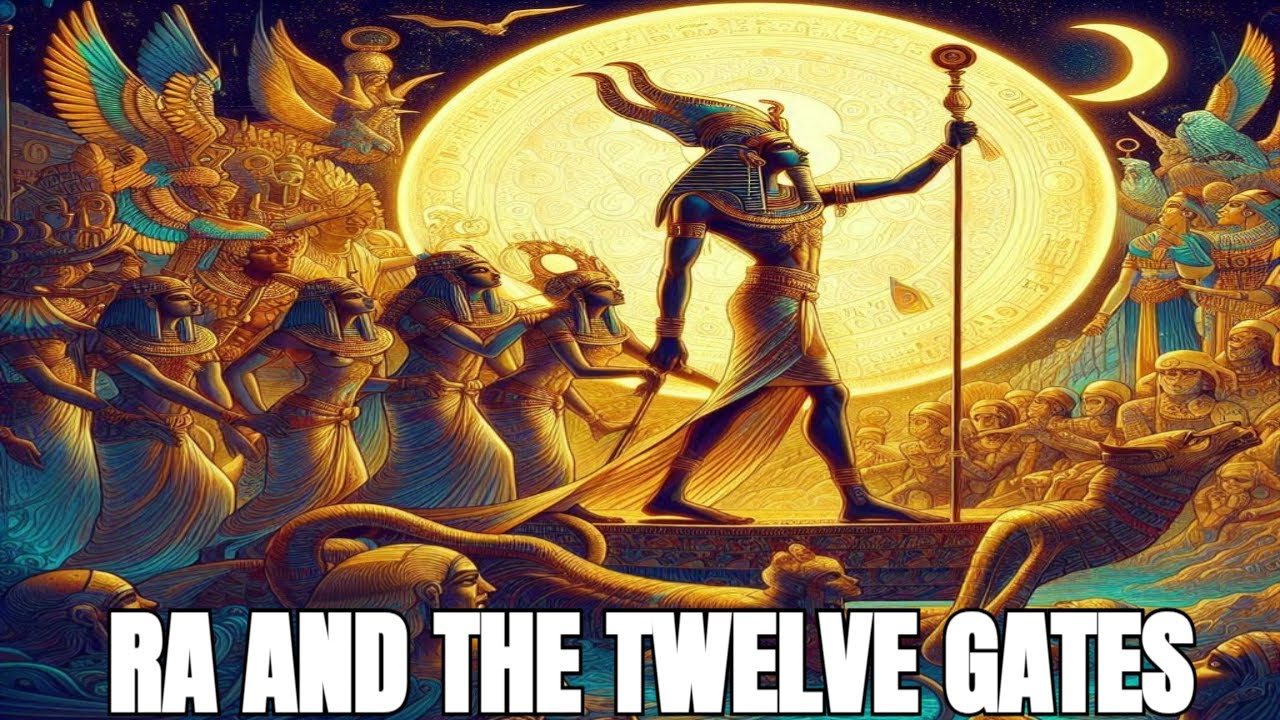
Sobek was depicted as a powerful figure with the head of a crocodile and the body of a man. He was associated with strength, protection, and fertility, but also with chaos and aggression. The crocodile, a fearsome predator of the Nile, symbolized both the life-giving power of the river and its destructive potential.
Sobek’s association with the Nile made him a vital deity. Temples dedicated to him were often located near bodies of water, particularly in areas known for crocodile populations. His worship was especially prominent in the Faiyum region, where the city of Crocodilopolis (modern-day Kom Ombo) served as a major cult center. He was not necessarily seen as "evil" but rather as a primal force whose power needed to be respected and controlled. His presence in the Weighing of the Heart ceremony highlights the understanding that even powerful forces can play a role in the process of judgment and justice.
Main Story / Narrative Retelling:
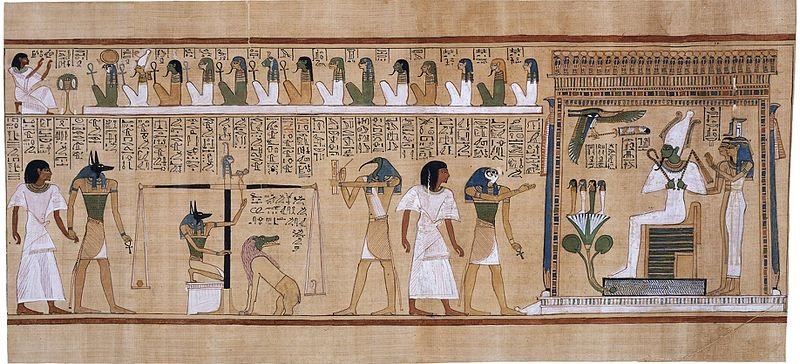
The scene unfolds in the Duat, the perilous Egyptian underworld. Anubis, the jackal-headed god of embalming and the dead, guides the newly deceased through the treacherous landscape. After overcoming various trials and demons, the soul arrives at the Hall of Ma’at, a grand chamber where the final judgment awaits.
In the center of the hall stands a massive scale. On one side rests the heart of the deceased, representing their life and actions. On the other side, a feather, the feather of Ma’at, symbolizing truth, justice, and cosmic order.
Thoth, the ibis-headed god of wisdom and writing, stands ready to record the outcome. Anubis carefully places the heart on the scale. All eyes are fixed on the balance.
But there is another presence: Sobek, the crocodile-headed god, waits patiently beside the scales. His eyes, cold and reptilian, gleam with anticipation. His role is a grim one: to devour the hearts of those deemed unworthy.
If the heart is lighter than the feather, the soul is pure, having lived in accordance with Ma’at. They are granted passage to the afterlife, to join Osiris, the god of the underworld, in the Field of Reeds, a paradise of eternal bliss.
But if the heart is heavier than the feather, weighed down by sin, deceit, and wickedness, it signifies a life lived in defiance of Ma’at. A shudder runs through the hall. Anubis steps back, and the heart is condemned.
With a swift and terrible motion, Sobek lunges forward. His powerful jaws snap shut around the heart, devouring it completely. The soul is obliterated, condemned to non-existence. There is no second chance, no redemption. The judgment is final.
Symbolism and Meaning:
The Trial of Weighing of the Heart was a powerful metaphor for the ancient Egyptians, reflecting their deep-seated belief in the importance of living a moral and just life. The heart, considered the seat of intellect and emotion, was the ultimate measure of a person’s worth. The feather of Ma’at represented the ideals of truth, justice, and cosmic order that they strived to uphold.
The presence of Sobek in this scene underscores the consequences of failing to live according to Ma’at. He embodies the destructive forces that await those who stray from the path of righteousness. He is a reminder that actions have consequences, and that the universe holds a balance that must be maintained. The story served as a moral compass, guiding individuals to make ethical choices and to live in harmony with the principles of Ma’at. It emphasized personal responsibility and the importance of striving for moral purity in life.
Modern Perspective:
The myth of Sobek and the Weighing of the Heart continues to fascinate and inspire artists, writers, and filmmakers today. It appears in various forms of media, from literature and graphic novels to movies and video games. Often, the story is adapted and reinterpreted to explore themes of morality, justice, and the afterlife.
In literature, the story can be found referenced in fantasy novels and historical fiction set in ancient Egypt. In movies, it might serve as a plot device or a visual spectacle, highlighting the grandeur and mystery of Egyptian mythology. In video games, players might encounter Sobek as a powerful boss character or participate in a simulated version of the Weighing of the Heart ceremony.
Scholars of cultural studies and religious studies also examine the myth to gain a deeper understanding of ancient Egyptian beliefs, values, and social structures. It provides valuable insights into their worldview and their relationship with the natural world.
Conclusion:
The story of Sobek and the Trial of Weighing of the Heart is a compelling example of ancient Egyptian mythology. It offers a glimpse into their beliefs about the afterlife, morality, and the importance of living a righteous life. It’s a cultural story that reflects the fears, hopes, and values of a civilization long past.
As Muslims, we recognize that only Allah is the true Creator and Sustainer of the universe. We believe in one God, and we understand that the stories of other cultures are part of human history and imagination. The myths of ancient Egypt, including the tale of Sobek, are part of our shared cultural heritage. They remind us of the power of storytelling and the enduring human quest to understand our place in the world. We can appreciate these stories for their imaginative power and their insights into the human condition, while remaining steadfast in our faith and belief in the Oneness of Allah.