fufufafa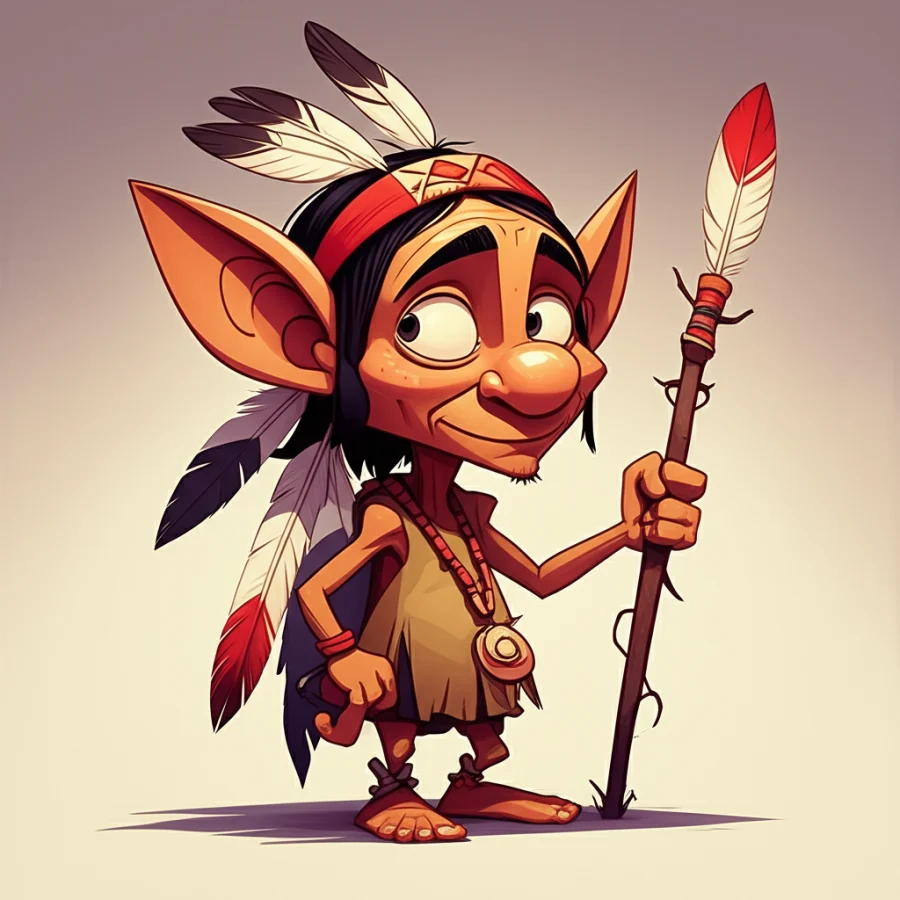
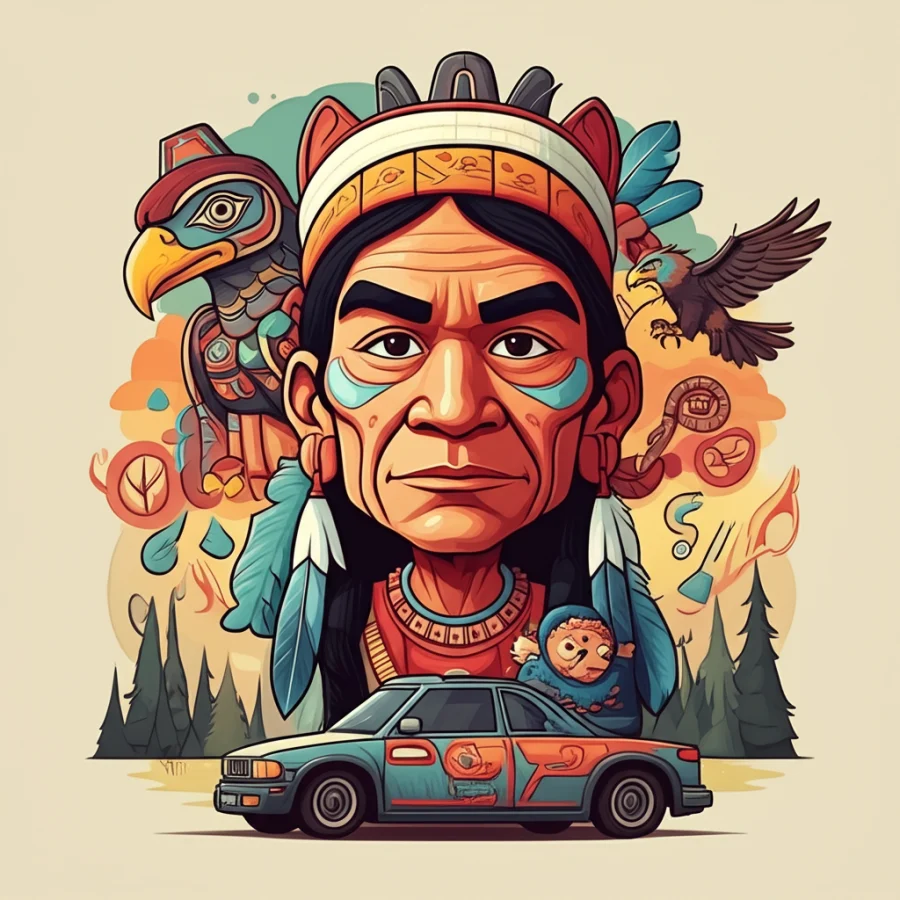
In the hushed whispers of ancient lore, where the veil between the tangible world and the realm of imagination thins, we find stories that have been passed down through generations. These are not tales of divine pronouncements or sacred commandments, but rather the profound narratives woven by human minds to understand their existence, their environment, and the mysteries that surrounded them. One such tapestry of narrative emerges from the vibrant cultural heritage of the Navajo Nation, the Diné, whose ancestral lands stretch across the breathtaking landscapes of the American Southwest. Here, amidst the towering mesas and vast desert expanses, a particular tradition of storytelling flourished, reflecting a worldview deeply intertwined with the natural world.
The era in which these stories took root was one where the rhythms of life were dictated by the sun, the moon, the seasons, and the intricate balance of the ecosystem. The Diné people, with their profound respect for all living things, viewed the world as a dynamic, interconnected web, animated by a Great Spirit that permeated every element. This worldview fostered a rich tradition of oral storytelling, where myths and legends served as a vital means of education, cultural transmission, and moral guidance. The stories were not simply entertainment; they were living repositories of wisdom, caution, and explanation for the unexplainable.
Within this rich cultural milieu, a particular figure is sometimes referenced, often in conjunction with or in contrast to other beings that inhabit the spiritual landscape of Indigenous North American folklore. While the term "Pukwudgie" is most strongly associated with Algonquian-speaking tribes, the vastness and interconnectedness of Indigenous spiritual thought across North America mean that similar concepts or figures might be alluded to or understood within different cultural contexts, often as cautionary tales or explanations for natural phenomena. For the purposes of understanding the concept of such figures within a broader Indigenous narrative framework, and acknowledging that specific tribal mythologies are distinct and should be respected as such, we can explore the idea of beings that inhabit the liminal spaces of the natural world.
Imagine, then, a being that is not of human stature, but rather diminutive in form, often described as no taller than a small child. These beings, in various folkloric accounts, are depicted with features that hint at the wild and untamed. Their skin might be described as grey or greenish, their eyes sometimes glowing with an eerie luminescence, and their forms often appearing wizened and ancient, as if they have witnessed the turning of countless ages. They are sometimes portrayed as possessing a mischievous or even malevolent disposition, capable of leading travelers astray with illusions, or inflicting minor curses. Other accounts might describe them as possessing a more neutral, albeit alien, presence, connected to the deeper, wilder parts of the forest and mountains, guardians of forgotten places. Their symbolic attributes are not meant to be seen as real powers but rather as imaginative representations of the unknown, the unpredictable forces of nature, and the potential dangers lurking beyond the familiar.
Let us venture into a narrative, drawing from the spirit of ancient storytelling, where such a being might interact with the world as imagined by those who lived close to the land. Picture a young Navajo hunter, whose name is Kaelen, venturing further than usual into the shadow-drenched canyons in pursuit of a prized bighorn sheep. The sun, a benevolent eye for most of the day, began to dip below the rugged horizon, painting the sky in hues of fiery orange and deep purple. As twilight deepened, the familiar trails seemed to twist and turn, the shadows playing tricks on his eyes. A sudden rustling in the undergrowth, a sound too sharp for a mere rabbit, caught his attention.
From behind a gnarled juniper tree, a small figure emerged. It was not a deer, nor a coyote, but something altogether different. Kaelen, raised on tales of the spirits that walked the land, felt a prickle of unease. The creature was small, its limbs spindly, and its face bore an expression that was difficult to decipher – a mix of curiosity and something akin to ancient amusement. It made a soft, chittering sound, and then, with a flick of its wrist, a shimmering, almost invisible thread seemed to extend from its fingertips, momentarily catching the fading light.
Kaelen’s heart pounded. He remembered the stories his grandmother had told him, tales of beings who dwelled in the forgotten corners of the world, beings who could confuse the mind and divert the path. He clutched the small pouch of sacred herbs he always carried, not as a weapon, but as a reminder of the balance and respect he owed to all of creation. The small being, without any apparent threat, simply watched him for a moment, its eyes like tiny embers in the growing darkness. Then, with a movement as swift and silent as a falling leaf, it melted back into the deepening shadows, leaving Kaelen alone once more, the wind whispering through the canyons carrying only the echoes of his own breath. He quickly reoriented himself, the encounter, though brief and unnerving, serving as a stark reminder of the vastness of the unknown and the importance of staying true to the known paths.
The symbolism within such a narrative, stripped of any claim to literal truth, is multifaceted. These beings, in their imagined existence, could represent the untamed aspects of nature – the sudden storms, the deceptive terrain, the hidden dangers that the Diné people had to navigate. They might also symbolize the internal struggles of fear and doubt that can lead individuals astray, the "illusions" being metaphorical temptations or confusions. Furthermore, their existence in the wild, untrodden places could represent the ancient, primal forces that existed before humanity, or the hidden wisdom found in solitude and contemplation. They served as a reminder that the world was not solely a domain of humans, but a shared space with countless other energies and presences, demanding respect and vigilance.
In the modern world, these figures, though rooted in specific cultural mythologies, have transcended their origins to become elements within a broader landscape of storytelling. In literature, they might appear as enigmatic characters, guardians of ancient secrets, or creatures that test the protagonists’ resolve. In films and video games, they can be reimagined as fantastical beings, adding a layer of mystique and challenge to fantastical worlds. Cultural studies scholars explore these narratives to understand the worldview, values, and anxieties of the societies that created them, offering invaluable insights into the human condition and the evolution of human thought.
It is crucial, as we reflect on these ancient narratives, to reiterate that these are traditional stories, born from the rich tapestry of human imagination and cultural expression. They are not to be believed as factual accounts or divine interventions. As Muslims, we recognize that only Allah (God) is the true Creator and Sustainer of all that exists, and that all power and authority reside solely with Him.
The tales of beings like the Pukwudgie, and the broader spirit of mythological storytelling found within traditions like that of the Navajo Nation, offer a profound glimpse into the human desire to comprehend the universe. They showcase the incredible power of imagination to explain the inexplicable, to impart wisdom, and to connect generations through shared narratives. These stories, when approached with respect for their cultural origins and an understanding of their allegorical nature, enrich our appreciation for the diversity of human heritage and the enduring tradition of storytelling that continues to shape our understanding of the world and ourselves.