fufufafa
This is a traditional story, a myth, passed down through generations by the ancient Egyptians. It offers a fascinating glimpse into their worldview, their understanding of the cosmos, and the challenges they believed the sun god faced each night as he journeyed through the underworld. It is important to remember that this narrative, while rich in symbolism and imagination, reflects the beliefs of a bygone era and is presented here for cultural and educational understanding. As Muslims, we recognize Allah as the sole Creator and Sustainer of the universe.
Origins and Cultural Background
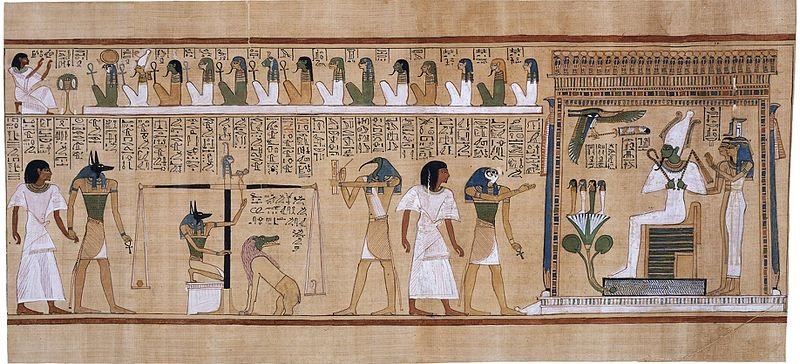
The story of Sobek and the Trial of Sun’s Night Journey originates from ancient Egypt, specifically during the dynastic periods, spanning from around 3100 BCE to 30 BCE. This era was characterized by a complex polytheistic religion, a sophisticated social structure, and a deep connection to the natural world, particularly the Nile River. The Egyptians viewed the world as a flat disc, with the Nile flowing through its center. Above was the sky, a celestial ocean navigated by the sun god Ra in his solar barque. Beneath the earth lay the Duat, the perilous underworld, a realm of shadows, monsters, and trials.
The annual flooding of the Nile was central to their lives, representing both destruction and renewal. This cycle deeply influenced their religious beliefs, leading to the veneration of gods associated with fertility, protection, and the cyclical nature of life, death, and rebirth. The sun’s daily journey across the sky and its nightly disappearance into the underworld were seen as a parallel to this cycle, fraught with danger and requiring divine protection. The gods were not seen as detached observers but as active participants in maintaining cosmic order (Ma’at) and ensuring the continuity of existence.
Character Description: Sobek, the Crocodile God
Sobek was the ancient Egyptian god associated with the Nile River, military prowess, and protection. He was depicted as a man with the head of a crocodile, or as a full crocodile, often adorned with feathers or a headdress. The crocodile, a powerful and fearsome creature inhabiting the Nile, was a natural symbol for Sobek.
Symbolically, Sobek represented several key aspects of the Egyptian worldview. The crocodile’s aggressive nature and sharp teeth symbolized strength and protection, particularly important in warding off dangers. His connection to the Nile, the source of life and sustenance, linked him to fertility and abundance. Sobek’s dual nature – fierce protector and bringer of life – mirrored the Nile’s own duality: capable of both destruction and nourishment. He was not simply a symbol of brute force, but also of controlled power used to maintain balance and order. Crocodile tears, a phenomenon known even to the ancient Egyptians, might have contributed to the complex understanding of Sobek, encompassing both ferocity and, perhaps, a hint of sorrow.
Main Story: The Perilous Night Journey
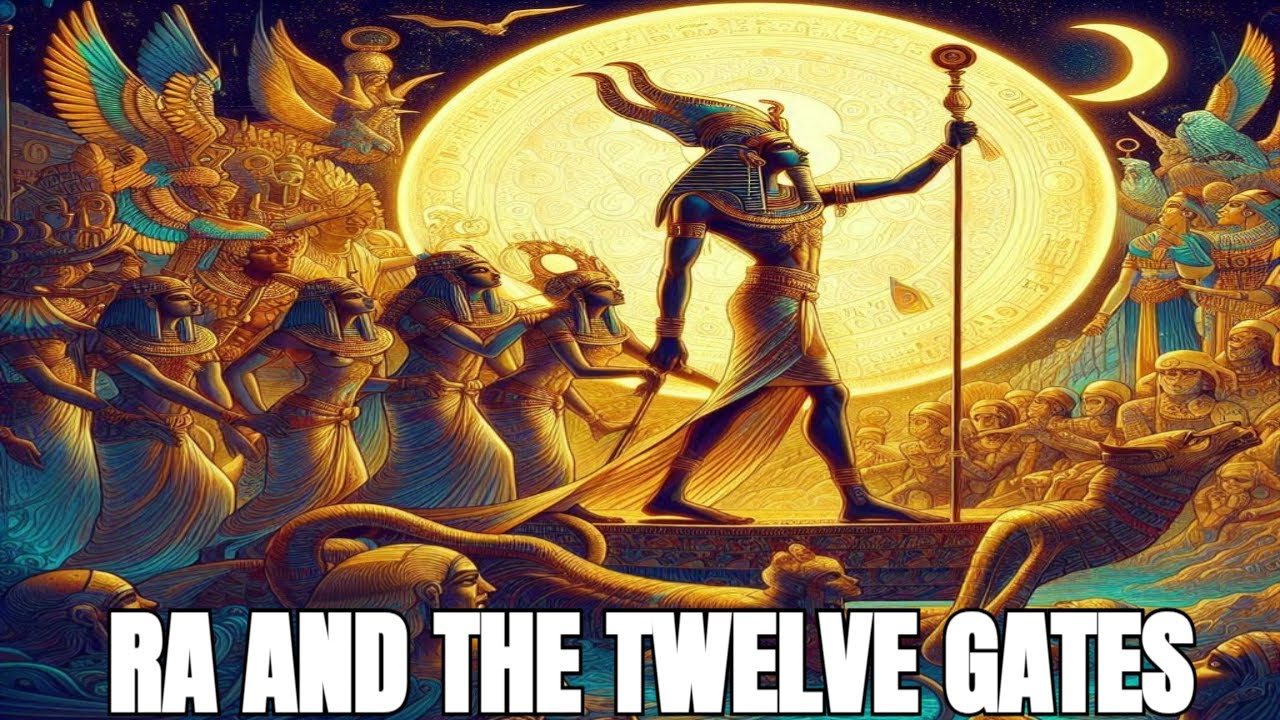
Each evening, as Ra completed his journey across the sky, his solar barque descended into the Duat, the Egyptian underworld. This was not a peaceful descent; it was a perilous journey fraught with dangers that threatened to extinguish the sun and plunge the world into eternal darkness. Apophis, the serpent of chaos, was the most formidable of these threats, constantly striving to devour Ra and disrupt Ma’at.
Ra’s journey was not a solitary one. He was accompanied by a retinue of gods and goddesses, each with their specific roles in protecting him and ensuring the continuation of the sun’s cycle. Among these protectors was Sobek, the crocodile god. His role was crucial, particularly when the barque navigated the treacherous waterways of the Duat.
One particularly harrowing night, Apophis unleashed a swarm of monstrous creatures and summoned a powerful storm, attempting to capsize Ra’s barque. The other gods fought valiantly, but the forces of chaos seemed overwhelming. The barque was tossed about violently, threatening to break apart. It was then that Sobek sprang into action.
With a mighty roar, Sobek leaped from the barque into the churning waters. His powerful jaws snapped, tearing apart the monstrous creatures that swarmed around the vessel. He battled the storm with his immense strength, using his body as a shield against the raging waves. The other gods, inspired by Sobek’s bravery, redoubled their efforts.
The battle raged throughout the night, but Sobek’s unwavering defense turned the tide. He cleared a path for the solar barque, allowing it to continue its journey through the Duat. Finally, as dawn approached, Apophis was defeated, and the storm subsided. Ra emerged victorious, ready to rise again and bring light to the world.
Sobek, exhausted but triumphant, returned to the barque, his scales gleaming in the faint light of the approaching dawn. He had proven his strength, his loyalty, and his vital role in maintaining the cosmic order. Without his intervention, the sun might never have risen again.
Symbolism and Meaning
The story of Sobek and the Trial of Sun’s Night Journey is rich in symbolic meaning. It reflects the ancient Egyptian understanding of the daily struggle between order and chaos, light and darkness. Ra’s journey through the Duat represents the cycle of life, death, and rebirth, a concept central to Egyptian beliefs.
Sobek’s role in protecting Ra symbolizes the importance of strength, courage, and vigilance in the face of adversity. He embodies the power of the Nile, the source of life and sustenance, and the need to protect it from the forces of destruction. The story also emphasizes the importance of teamwork and cooperation among the gods in maintaining cosmic balance. The trials faced during the night journey could also symbolize the personal struggles that people face in life, and the importance of inner strength to overcome these obstacles.
Modern Perspective
The myth of Sobek and the Trial of Sun’s Night Journey continues to resonate in modern culture. Sobek appears in various forms of media, including literature, movies, video games, and graphic novels, often portrayed as a powerful and formidable figure.
In cultural studies, the myth provides valuable insights into the ancient Egyptian worldview, their religious beliefs, and their understanding of the cosmos. It allows us to appreciate the rich tapestry of ancient Egyptian culture and its enduring influence on Western civilization. Sobek’s character is sometimes re-interpreted as an anti-hero or a complex figure with both positive and negative traits, reflecting a modern fascination with morally ambiguous characters.
Conclusion
The story of Sobek and the Trial of Sun’s Night Journey is a testament to the power of human imagination and the enduring appeal of ancient myths. It is a cultural story, not a belief system, and should be understood as such. As Muslims, we acknowledge that Allah is the sole Creator and Sustainer of the universe. This story, however, offers a valuable window into the beliefs and worldview of the ancient Egyptians, highlighting their connection to the natural world, their understanding of cosmic order, and their fascination with the cycles of life, death, and rebirth. It is a reminder of the rich cultural heritage of humanity and the enduring power of storytelling.