fufufafa
The sands of Egypt, baked by an unforgiving sun, have long held within them the echoes of ancient tales. From the fertile banks of the Nile, a lifeblood coursing through a vast desert, arose a rich tapestry of myths and legends, woven by a civilization that sought to understand the mysteries of existence. Among these enduring narratives, the story of Sobek, the crocodile god, and his role in the epic contest between Horus and Set, offers a fascinating glimpse into the worldview of ancient Egyptians. This is not a chronicle of divine intervention in the modern sense, but rather a traditional story, passed down through generations, reflecting their profound connection to the natural world and their complex understanding of order and chaos.
The cultural milieu from which this myth springs is that of ancient Egypt, a society deeply intertwined with its environment. For millennia, the Egyptians lived in a land defined by the predictable, yet awe-inspiring, rhythm of the Nile. Its annual inundation brought life-giving silt, enabling agriculture in an otherwise arid landscape. Conversely, its ferocity could also bring destruction. This duality of the Nile, as a source of both sustenance and peril, profoundly shaped their cosmology. They perceived the world as a delicate balance, constantly threatened by primal forces of disorder. Their gods, often depicted with animalistic features, were not distant deities but rather embodied aspects of nature, human experience, and the cosmic order they strove to maintain. It was within this framework that the myth of Horus and Set, a struggle for kingship and cosmic balance, unfolded, with figures like Sobek playing their part in the grand, symbolic theatre.
Among these figures, Sobek stands as a particularly potent symbol. He is most famously depicted as a crocodile, a creature that commanded both fear and respect along the Nile. The crocodile, with its ancient lineage, formidable power, and amphibious nature, was seen as a guardian of the waters, capable of both fierce protection and swift, brutal action. Sobek’s symbolic attributes are multifaceted. He was associated with the pharaoh’s power and fertility, embodying the king’s strength and his ability to bring prosperity to the land, much like the Nile itself. He also represented a primal, untamed force, a reminder of the wildness that lay just beyond the edges of human civilization. His connection to water, a vital element for life, also linked him to creation and rebirth. Rather than a being to be worshipped in a devotional sense, Sobek served as a tangible representation of these complex, and often contradictory, aspects of the natural and divine realms.
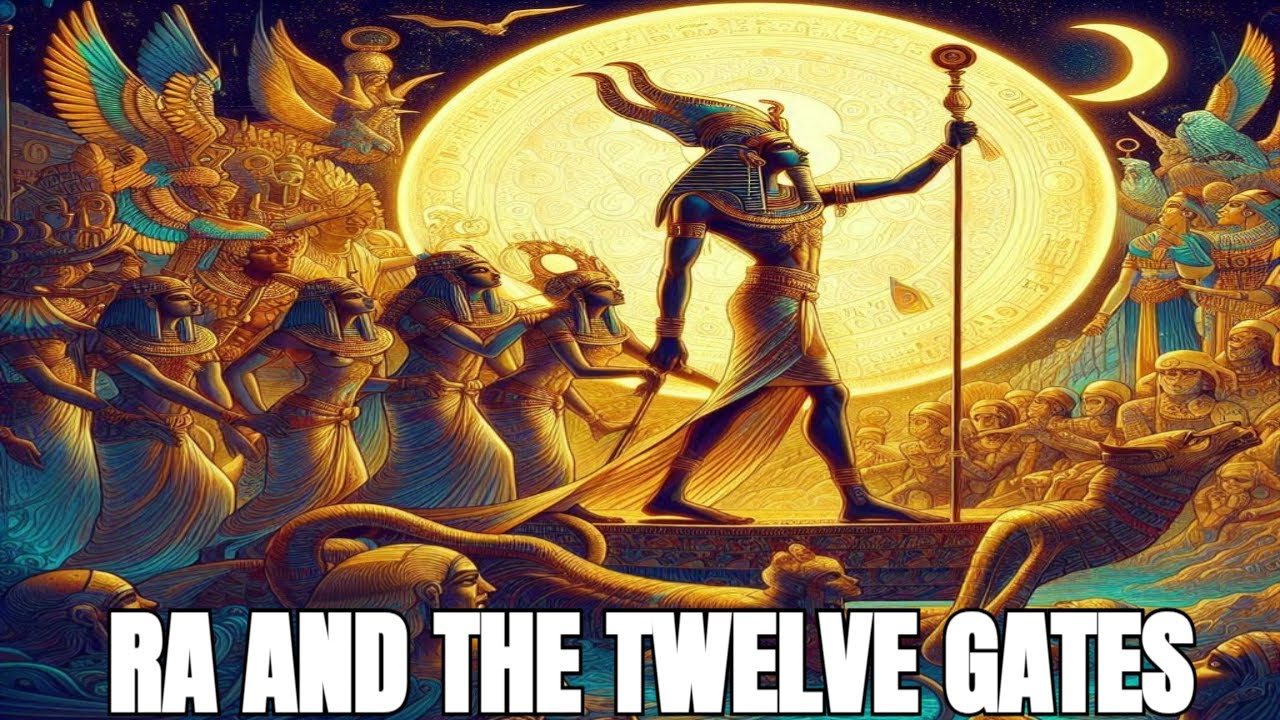
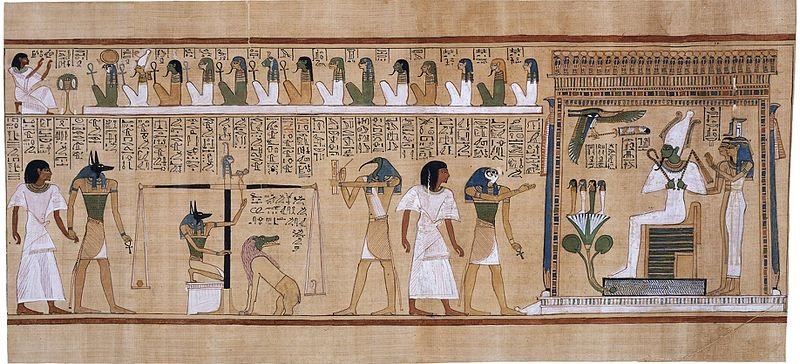
The narrative of Sobek’s involvement is woven into the larger, dramatic saga of the contendings between Horus, the falcon-headed god of order and rightful heir, and his uncle Set, the god of chaos, deserts, and storms. Following the death of Osiris, Horus’s father, Set usurped the throne, plunging Egypt into a period of turmoil. The divine council, led by the sun god Ra, convened to settle the dispute. It was during these tumultuous deliberations, marked by fierce debates and even physical confrontations, that Sobek’s presence becomes significant. While not always a central protagonist in every retelling, his presence underscores the raw power and potential for disruption inherent in the situation. Imagine the scene: the gods gathered, the air thick with tension. Horus, young but determined, represents the established order and the divine right of succession. Set, powerful and cunning, embodies the disruptive forces that constantly threaten to unmake creation. In some accounts, Sobek, as a powerful guardian of the Nile, might be called upon to enforce decisions or even to physically subdue those who threatened the proceedings. He could be envisioned as a formidable presence, his reptilian eyes surveying the scene, his sheer power a silent testament to the stakes involved. The “oath of contendings” itself implies a solemn agreement, a binding promise made under divine scrutiny, a pact to abide by the outcome of the trials and tribulations. Sobek’s association with oaths, particularly those sworn by the waters of the Nile, further solidifies his role as a witness and enforcer of cosmic justice.
The symbolism embedded within this myth is rich and varied. The contendings of Horus and Set, with Sobek as a part of this grand cosmic drama, can be interpreted as representing the eternal struggle between order and chaos that ancient Egyptians observed in their world. The predictable cycles of the Nile, the fertile seasons followed by drought, the calm waters giving way to raging floods, all found echoes in this divine conflict. Horus embodied the forces that brought stability, prosperity, and righteous rule, while Set represented the destructive elements that threatened to unravel civilization. Sobek, with his dual nature, could symbolize the raw power of nature, both life-giving and destructive, a force that could be harnessed for good or unleash devastation. His presence highlights the precariousness of order and the constant need for vigilance against the forces that sought to destabilize it. The oath itself speaks to the importance of justice, resolution, and the binding nature of divine pronouncements in their worldview.
In modern times, these ancient narratives continue to captivate the imagination. The epic struggle between Horus and Set has been a source of inspiration for countless works of literature, film, and video games, often reinterpreted through contemporary lenses. Sobek, as a unique and formidable deity, often appears as a powerful antagonist or a creature of immense, primal force, his reptilian form lending itself to dramatic visual representation. In academic circles, these myths are studied as vital windows into the beliefs, values, and societal structures of ancient Egypt, offering insights into their understanding of kingship, justice, and the natural world.
In conclusion, the story of Sobek and the oath of contendings is a testament to the enduring power of human storytelling and our innate desire to make sense of the world around us. It is a complex tapestry of symbolism, woven from the threads of nature, human experience, and the ancient Egyptians’ profound connection to their environment. As Muslims, we recognize that only Allah is the true Creator and Sustainer of all existence, the ultimate source of power and order. These ancient tales, therefore, are understood as cultural heritage, products of human imagination and attempts to grapple with the mysteries of the cosmos. They serve as valuable reminders of the rich diversity of human thought and the enduring tradition of storytelling that connects us to our past, allowing us to appreciate the cultural legacy and the boundless capacity for imagination that defines our shared human journey.