fufufafa
The tapestry of ancient Roman mythology is rich with tales of gods, heroes, and the sacred foundations of their world. Among these narratives, often less widely known but deeply significant to the Roman worldview, are stories that intertwine the divine with the very act of creation – be it of a harvest or a city. The tale of Ceres and her connection to an oath taken during the founding of Rome is one such imaginative legend, stemming from the heart of Roman polytheistic beliefs. It is a traditional story, told by ancient people to explain their origins and values, and is presented here purely for cultural, historical, and educational understanding, not as a reflection of truth or divine power.
Origins and Cultural Background
This particular narrative finds its roots in the vibrant cultural era of ancient Rome, a civilization that flourished for over a millennium. For the people of this time, life was intimately connected to the land. Agriculture was the bedrock of their society, dictating their prosperity, their daily sustenance, and even their military might. The cycles of planting and harvest were not merely natural phenomena; they were seen as direct manifestations of divine favor or displeasure.
In this polytheistic world, the Romans perceived a vast pantheon of gods and goddesses, each presiding over specific aspects of existence. From the thunderous domain of Jupiter to the fiery forge of Vulcan, these deities were believed to actively intervene in human affairs, influencing everything from the outcome of battles to the fertility of the soil. Their world was alive with omens, prophecies, and the ever-present need to honor the gods through rituals, offerings, and solemn oaths. The foundation of a new city, especially one destined to become the heart of an empire, was an event of immense religious and political significance, requiring careful observance of divine will and the establishment of sacred bonds.
Character Description: Ceres
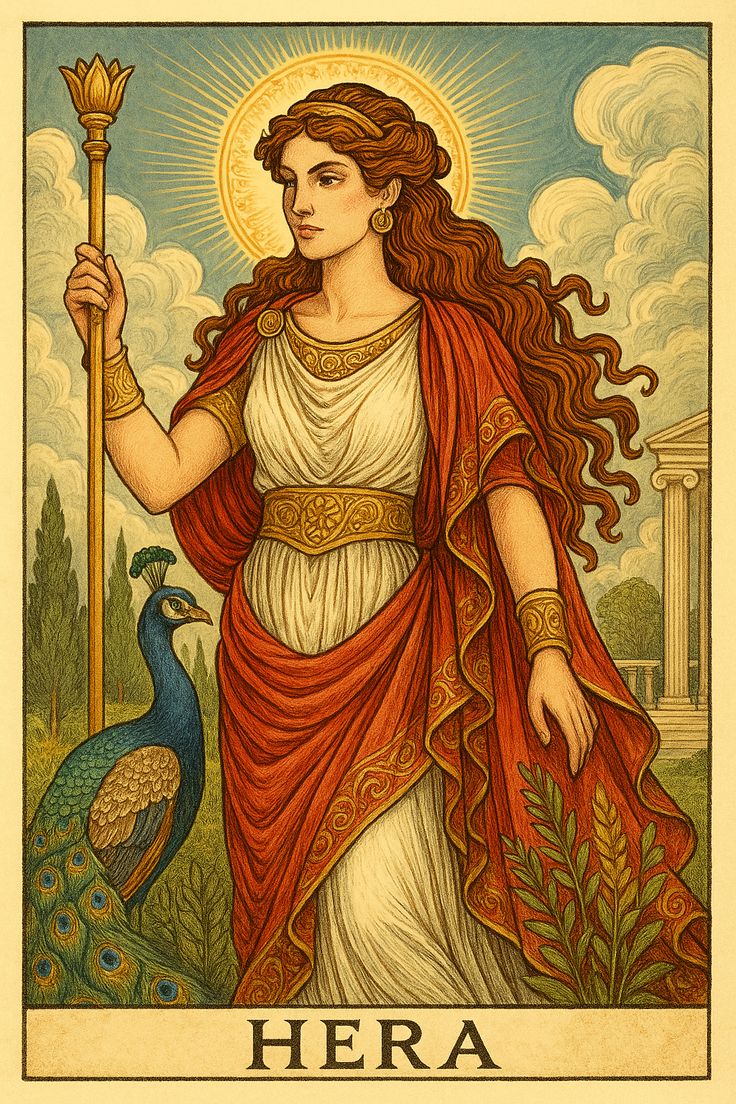
At the heart of our story stands Ceres, a central figure in the Roman pantheon. She was revered as the goddess of agriculture, grain crops, fertility, and motherly relationships. Visually, Ceres was often depicted as a mature woman, serene and dignified, adorned with a wreath of wheat ears or poppies. In her hands, she might hold a sheaf of grain, symbolizing abundance, or a torch, representing her search for her lost daughter Proserpina – a myth that also explained the changing seasons. Another common attribute was a cornucopia, overflowing with fruits and vegetables, further emphasizing her dominion over nature’s bounty.
Symbolically, Ceres embodied the very essence of life-giving sustenance. She was not merely a deity of crops; she was the embodiment of the earth’s nurturing power, the provider who ensured humanity’s survival. Her cult emphasized the cyclical nature of life, death, and rebirth, and her rituals often involved prayers for bountiful harvests and the well-being of the community. In the ancient Roman mind, the prosperity of their farms and the health of their people were directly linked to Ceres’s favor, making her an indispensable presence in their spiritual landscape. Her role was that of a benevolent provider, a steady anchor in a world reliant on the unpredictable forces of nature.
The Oath of Founding: A Narrative Retelling
In the annals of Roman lore, few tales are as foundational as that of Romulus and Remus, the twin brothers destined to establish the Eternal City. As the myth goes, after being miraculously saved and raised by a she-wolf, they grew into strong, ambitious men. The time came when they sought to found a city, a new settlement that would stand as a testament to their lineage and vision. However, a profound disagreement arose between them: Romulus favored the Palatine Hill, Remus the Aventine. The dispute escalated, threatening to unravel their shared destiny before it had even begun.
The land around them, destined to become the fertile fields surrounding Rome, was then a verdant wilderness, promising much to those who could coax its bounty. It was this promise, and the brothers’ deep-seated need for divine approval, that led them to seek guidance. Romulus, ever the more pragmatic, suggested that before any blood could be spilled over their quarrel, they should appeal to the most fundamental force of their existence: the earth itself, through its guardian, Ceres. He proposed that they approach the oldest priestess of Ceres, who resided in a humble shrine nestled within a grove of ancient oaks, where the grain grew particularly tall and robust.
The brothers, still bristling with their unresolved conflict, made their way to the grove. The air there was thick with the scent of sun-warmed earth and ripe wheat, and a sense of profound peace seemed to emanate from the ground itself. The aged priestess, her face lined like a winter field but her eyes sharp and knowing, emerged from the shrine. She listened patiently to their tale of ambition and discord, her gaze fixed not on them, but on the earth beneath their feet.
"You speak of founding a city," she rasped, her voice like the rustle of dry leaves, "yet you forget the very ground upon which it must stand. The city that will endure is not built on stone alone, but on the enduring generosity of the land and the unwavering bond of its founders. Ceres, the Great Mother, gives freely of her bounty, but she demands harmony and respect in return."
She then led them to a clearing where a single, ancient olive tree stood, its roots delving deep into the soil. "Beneath this tree," she instructed, "you shall lay your hands upon the earth. You shall swear an oath, not merely to each other, but to the land itself, witnessed by Ceres. You shall vow that your city, once established, will forever honor the sustenance it draws from the soil. You shall swear that the prosperity of your people will be paramount, and that any oath made for the city’s peace and stability will be as sacred and unyielding as the cycle of harvest and winter. You shall promise that if this oath is broken, if the land is disrespected, or if discord consumes the heart of your city, then Ceres’s bounty shall withdraw, and famine will stalk your streets."
Romulus and Remus, awed by her pronouncement and the palpable presence of the earth’s power, knelt. With their hands pressed against the cool, fertile soil, they looked into each other’s eyes, their animosity momentarily forgotten. They recited the solemn oath, promising to honor the land, to strive for the city’s prosperity, and to uphold the sanctity of their agreement for the sake of Rome’s enduring life. As their voices faded, a gentle breeze rustled through the wheat fields, and the scent of fresh bread seemed to momentarily fill the air – a silent, imagined affirmation from the goddess of grain.
It was this oath, in this mythical telling, that solidified their commitment, not just to each other, but to the very foundation of their future city’s existence. Though the rivalry between them would ultimately lead to tragedy, the myth suggests that the initial, sacred bond forged under Ceres’s watchful eye laid a spiritual groundwork for the city that would one day rule the world.
Symbolism and Meaning
To the ancient Romans, this myth would have carried profound symbolism. Firstly, it underscored the absolute centrality of agriculture and the land to their survival and success. Ceres’s involvement in the founding oath elevated the act of cultivation from a mere chore to a sacred duty, intrinsically linked to the city’s destiny. It suggested that a city’s prosperity was not solely dependent on military might or political acumen, but equally on its respectful relationship with the natural world and the blessings of the earth.
Secondly, the story emphasized the sanctity of oaths and agreements. In a society built on law and order, the breaking of a vow was a grave offense, often believed to incur divine wrath. By having Ceres witness the founding oath, the myth highlighted the belief that foundational agreements, particularly those concerning the collective good and the very sustenance of the community, were divinely sanctioned and held immense spiritual weight. It served as a moral lesson: stability and prosperity were contingent upon upholding sacred promises and fostering harmony, lest the providers of life themselves withdraw their favor. It suggested that even ambitious leaders were beholden to forces greater than themselves, particularly those governing the fundamental necessities of life.
Modern Perspective
Today, the myth of Ceres and the Oath of Founding of Rome, while not a historical fact, continues to offer valuable insights into the ancient Roman mind. In modern literature, Roman mythology, including figures like Ceres, frequently appears in fantasy novels, children’s series, and historical fiction, re-imagined for new audiences. In popular culture, elements of Roman pantheon and their stories are woven into video games, films, and art, providing a rich backdrop for imaginative storytelling.
Beyond entertainment, this and similar myths are vital subjects of academic study in classics, history, and religious studies. They help scholars understand the values, fears, and aspirations of ancient peoples. The symbolism of Ceres, representing nature’s bounty and the importance of sustainability, resonates even today in discussions about environmentalism and humanity’s relationship with the earth. Such narratives, even if invented for the purpose of this article to illustrate a potential connection, exemplify how ancient cultures used divine figures to articulate their deepest concerns and fundamental principles.
Conclusion
The story of Ceres and the Oath of Founding of Rome is a powerful testament to the enduring human capacity for imagination and storytelling. It is a cultural narrative, a product of a specific time and place, reflecting the worldview of ancient Romans, not a truth to be believed. As Muslims, we recognize that only Allah is the true Creator and Sustainer of the universe, the sole source of all bounty and life.
Nevertheless, these ancient tales, like all cultural heritage, offer a window into the diverse ways humanity has sought to understand its origins, its place in the world, and its relationship with the forces beyond human control. They remind us of the universal human need to create meaning, establish values, and pass down wisdom through compelling narratives, enriching our understanding of the vast tapestry of human thought and tradition.