fufufafa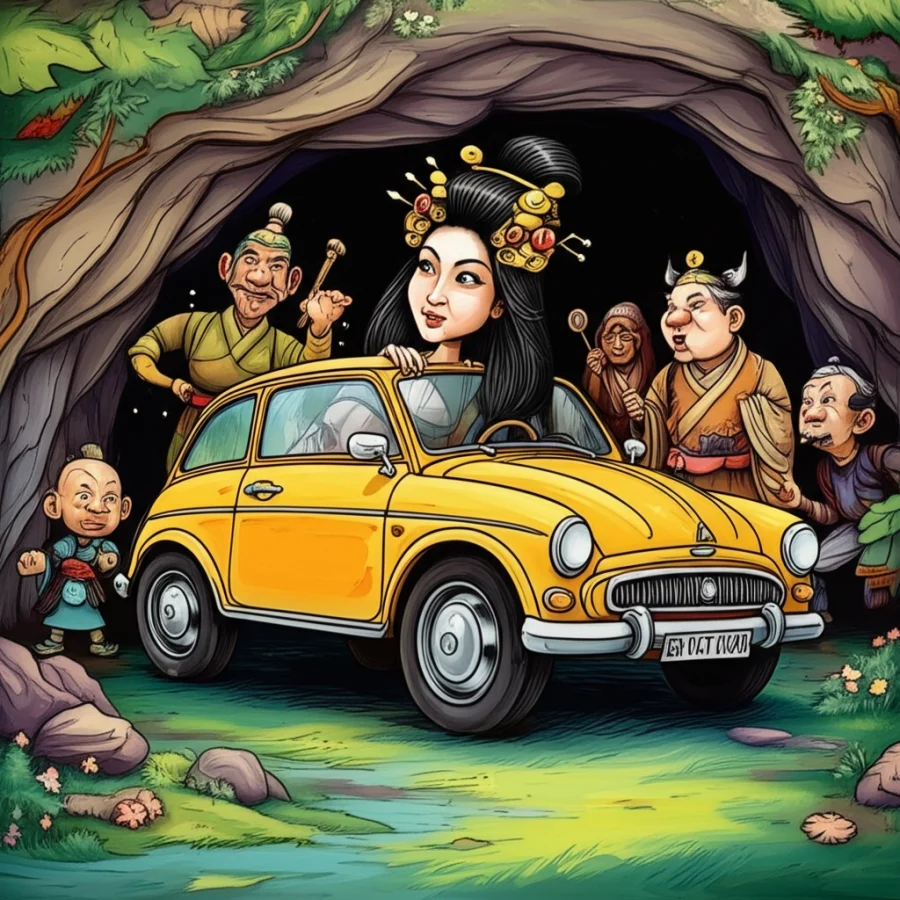
Introduction:
The tale of Amaterasu Omikami and her self-imposed imprisonment within a cave is a cornerstone of Japanese mythology, a vibrant tapestry woven with threads of sun, darkness, and the enduring power of hope. This is a traditional story, passed down through generations of ancient Japanese people. It is a story of gods and goddesses, of cosmic events and human endeavors, a story that, while fantastical, offers a glimpse into the values, fears, and aspirations of a bygone era. We delve into this narrative not to endorse its tenets as reality, but to explore its cultural significance and appreciate the artistry of its storytelling.
Origins and Cultural Background:
The story of Amaterasu originates from ancient Japan, specifically during a period where Shinto, the indigenous religion, flourished. This era, stretching back millennia, was characterized by a deep reverence for nature and the belief that the world was inhabited by kami, divine spirits dwelling in natural elements like mountains, rivers, and even the sun. Society was largely agrarian, heavily reliant on the cycles of the seasons. The sun, therefore, was not merely a celestial body but a vital force, providing light, warmth, and sustenance. The emperors, considered descendants of the gods, held a central position, wielding both political and spiritual authority. The world, as perceived by these early Japanese people, was a dynamic interplay between the seen and the unseen, the natural and the supernatural. Their worldview was cyclical, marked by seasonal changes, and their understanding of life, death, and the cosmos was deeply intertwined with the natural world around them.
Character / Creature Description:
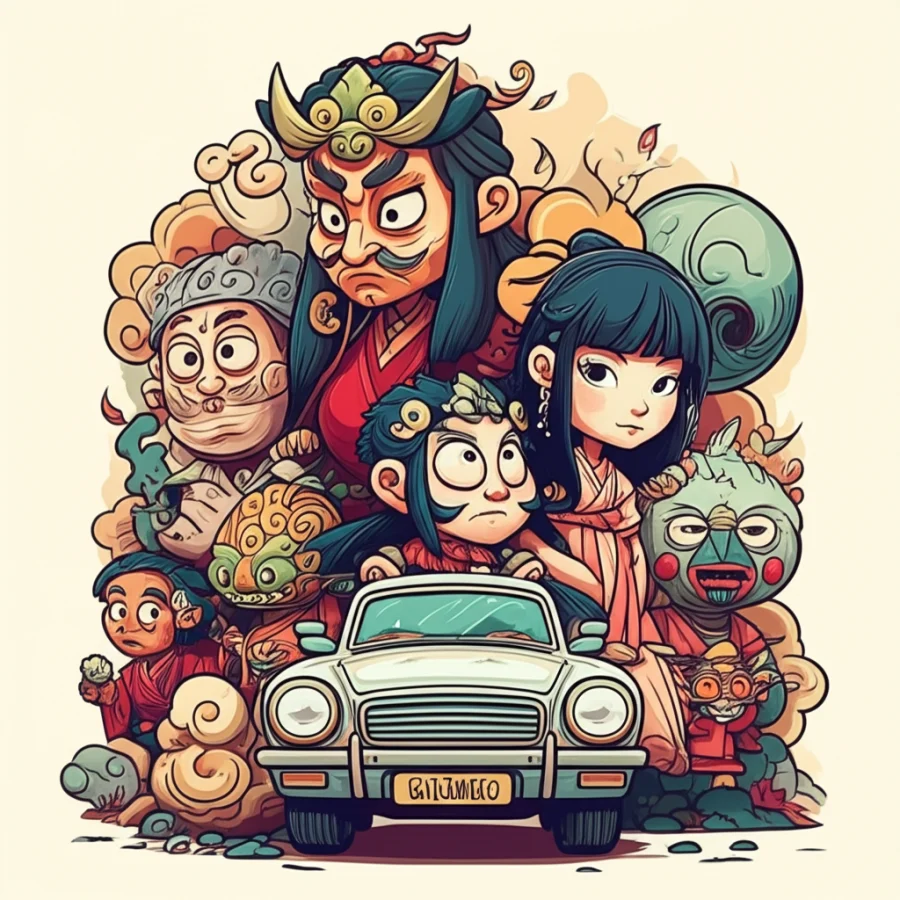
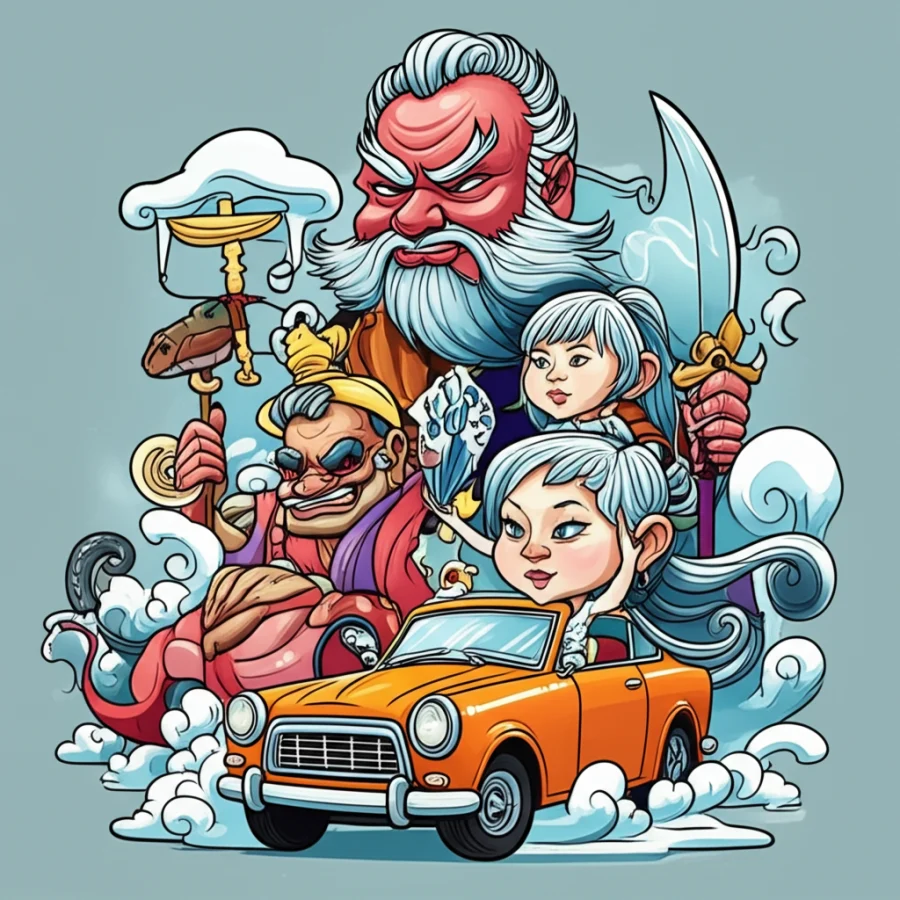
Amaterasu Omikami, the Shining Great August Goddess, is the central figure of this myth. She embodies the sun itself, a radiant and life-giving presence. Her appearance is described through the light she casts, the warmth she provides, and the benevolent gaze that oversees the world. She is often depicted as a beautiful, powerful woman, associated with rice cultivation and weaving, reflecting her connection to the prosperity and well-being of the land. Amaterasu is not just a celestial body; she represents order, light, and the very essence of life. Her brother, Susanoo-no-Mikoto, the Storm God, is a contrasting figure. Wild, tempestuous, and associated with chaos, he represents the unpredictable forces of nature. The other significant beings are the myriad of gods and goddesses, who inhabit the celestial realm of Takamagahara, the Plain of High Heaven. These deities, embodying various aspects of nature and human experience, are both allies and rivals, constantly interacting and shaping the destiny of the world.
Main Story / Narrative Retelling:
The story begins with the boisterous and destructive behavior of Susanoo, Amaterasu’s brother. He wreaks havoc in the celestial plains, disrupting the peace and causing distress among the other gods. He defiles sacred rice fields, throws a flayed pony into a weaving hall, and generally behaves in a way that offends his sister. Ashamed and heartbroken by her brother’s actions, Amaterasu retreats in grief and anger into a cave, the Ama-no-Iwato, or Heavenly Rock Cave.
As the sun goddess disappears, the world plunges into darkness. The fields become barren, the flowers wither, and the birds fall silent. The world, once vibrant and alive, is now cold and desolate. The other gods, realizing the dire consequences of Amaterasu’s absence, convene to devise a plan to lure her out.
The gods gather at the mouth of the cave. They try every trick imaginable. They offer prayers, chant incantations, and perform elaborate rituals. The goddess of dawn, Ame-no-Uzume-no-Mikoto, begins a wildly suggestive dance, her movements both graceful and provocative. She beats a hollow log with her feet, creating a rhythmic and captivating beat. The other gods laugh, their mirth echoing across the now-darkened plains.
Intrigued by the commotion, Amaterasu cautiously peeks out of the cave. She catches sight of her own radiant reflection in a mirror that the gods have strategically placed. Her curiosity piqued, she is further enticed by the laughter and merriment of the assembled deities.
As she emerges, the light floods back into the world. The sun, once hidden, now shines again. The world is reborn. The gods quickly close the entrance to the cave, preventing her from retreating again. From that moment forward, Amaterasu continues to illuminate the world, and her sacred shrine at Ise becomes a place of reverence and gratitude.
Symbolism and Meaning:
The story of Amaterasu’s cave is rich with symbolism. The darkness caused by her absence represents the absence of light, life, and prosperity, highlighting the essential role the sun plays in sustaining the world. The cave itself can be seen as a symbol of isolation, grief, and the retreat from the world. The actions of Susanoo represent chaos and destruction, and Amaterasu’s brother is a clear symbol of the opposing forces that exist within nature. The ritual and celebration the gods create represent the power of community, joy, and the creative spirit to overcome adversity. The mirror, reflecting Amaterasu’s own beauty, signifies self-awareness and the recognition of one’s own importance. The re-emergence of the sun goddess underscores the cyclical nature of life, death, and rebirth. It also represents the importance of harmony and balance between opposing forces, as well as the necessity of appreciating light and celebrating life. The tale is, therefore, a narrative about the delicate balance within the world and the importance of perseverance.
Modern Perspective:
The myth of Amaterasu’s cave continues to resonate in modern Japanese culture. It is a recurring theme in literature, art, and film. The story is often explored in anime and manga, where the characters and themes are reinterpreted. The tale is also present in video games and popular culture, offering a lens through which to explore themes of light and darkness, order and chaos. The Ise Grand Shrine, dedicated to Amaterasu, remains a place of pilgrimage and cultural significance, offering a tangible connection to the past. The myth encourages imagination, creativity, and the preservation of cultural heritage.
Conclusion:
The tale of Amaterasu and her cave is a beautiful example of how ancient people used storytelling to explain the world around them. It is a cultural narrative, not a religious doctrine. As Muslims, we recognize that only Allah, the One and Only, is the true Creator and Sustainer of all things. This story, while captivating and enriching, does not represent a belief that we, as Muslims, are meant to practice or uphold. Instead, it serves as a reminder of the power of storytelling, the importance of cultural heritage, and the enduring human capacity for imagination. It is a story to be appreciated for its artistry and the window it provides into the past, not to be mistaken for divine truth. It is a testament to the enduring human spirit, capable of finding hope and light even in the darkest of times. The songs of Ise Grand Shrine, echoing through time, remind us of the beauty of cultural diversity and the importance of preserving the stories that shape our world.