fufufafa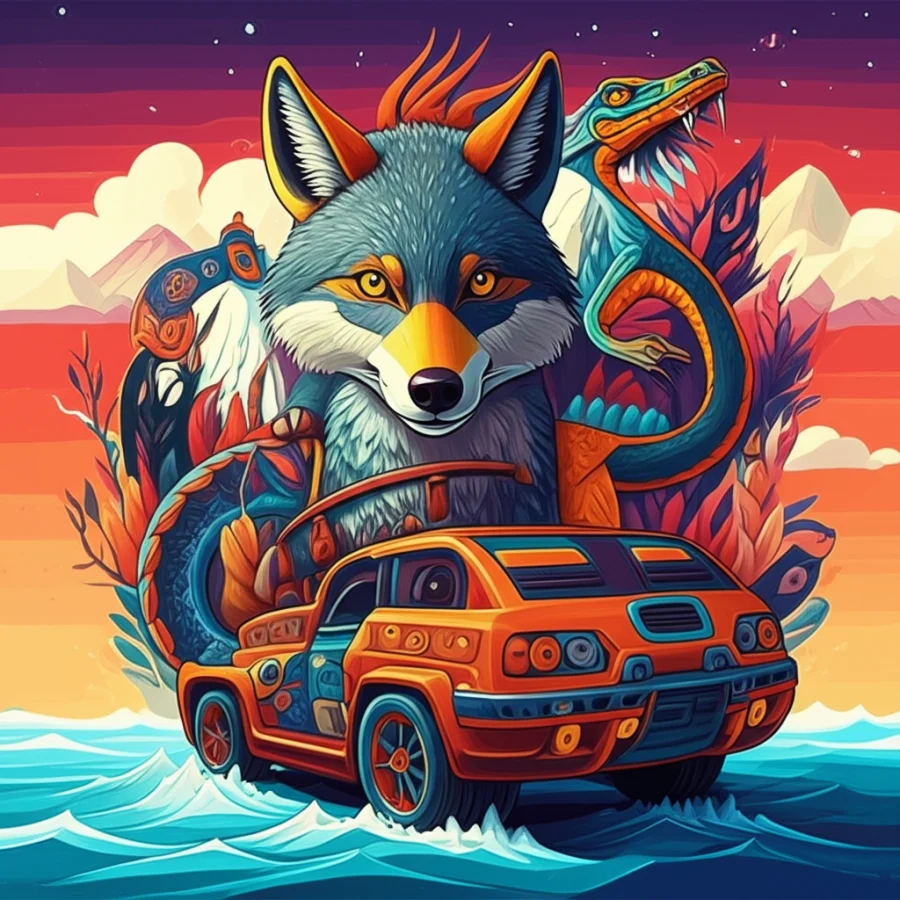
Echoes of Coyote, Uktena, Inuit Seas: Whispers of the Ancient World
Mythology is a tapestry woven from the threads of human experience, reflecting our understanding of the world, our fears, and our aspirations. Across different cultures and continents, echoes of similar archetypes resonate. This exploration delves into three distinct mythological figures – Coyote from Native American traditions, Uktena from Cherokee lore, and various sea deities revered by Inuit peoples – not as objects of belief, but as reflections of the human imagination and cultural heritage. These are traditional stories told by ancient people, offering glimpses into their worldview, not truths to be followed.
Origins and Cultural Background:
-
Coyote: Coyote tales originate from various Native American tribes across North America, particularly prevalent in the Southwest and Plains regions. These cultures lived in close harmony with nature, their survival dependent on understanding the land, its resources, and its dangers. Their world was one of spirits and interconnectedness, where animals possessed wisdom and power.
-
Uktena: The Uktena serpent is a figure deeply rooted in Cherokee traditions, originating from the southeastern United States. The Cherokee lived in settled agricultural communities, with a complex social structure and a rich oral tradition. Their world was one of balance and respect for the natural world, where transgressions against nature could have dire consequences.
-
Inuit Sea Deities: Inuit cultures thrived in the harsh Arctic environment. Their survival depended on their knowledge of the sea, its creatures, and its unpredictable nature. Their world was one of animism, where spirits resided in all things, and the sea was governed by powerful deities that demanded respect.
The people of these cultures viewed the world through a lens of interconnectedness and animism. They believed in a world populated by spirits, where animals could speak and possess supernatural powers, and where human actions could have profound consequences on the natural world.
Character/Creature Descriptions:
-
Coyote: Coyote is the quintessential Trickster, a figure found in numerous Native American cultures. He is often depicted as a shapeshifter, a cunning and mischievous being who can be both helpful and harmful. Symbolically, Coyote represents chaos, change, and the unpredictable nature of life. He embodies both wisdom and folly, reminding us that life is a complex and often contradictory journey. Coyote is not a deity to be worshipped, but a complex character whose tales serve as cautionary lessons and reminders of human fallibility.
-
Uktena: The Uktena is a mythical serpent found in Cherokee lore. It is described as a giant snake with scales of shimmering colors, often adorned with antlers or a single crystal on its forehead. Symbolically, the Uktena represents power, danger, and the untamed forces of nature. It is a creature to be feared and respected, embodying the destructive potential of the natural world. The Uktena is not a benevolent being, but a powerful force that must be approached with caution.
-
Inuit Sea Deities: Inuit mythology features a pantheon of sea deities, each responsible for different aspects of the marine environment. Sedna, the sea goddess, is perhaps the most well-known. She controls the abundance of sea mammals and is often depicted as a woman with a fish tail. Symbolically, Sedna represents the life-giving power of the sea, as well as its potential for destruction. Other sea spirits, such as those controlling the weather or specific animal populations, further illustrate the Inuit’s deep connection to and dependence on the ocean. These figures are not objects of worship in the Islamic sense, but rather personifications of the natural forces that shaped Inuit life.
Main Story/Narrative Retelling:
-
Coyote’s Folly: In a tale told by the Blackfoot people, Coyote, ever hungry, saw a group of ducks flying overhead. "I must have those ducks for dinner!" he declared to himself. He gathered a pile of pine needles, wove them into a net, and flung it into the sky. But Coyote, in his haste, forgot to secure the net properly. As the ducks flew into it, the net collapsed, scattering pine needles everywhere. The ducks, unharmed, flew away, laughing at Coyote’s foolishness. Coyote, hungry and embarrassed, learned a valuable lesson that day: haste makes waste, and even the cleverest plans can fail if not properly executed.
-
The Uktena’s Wrath: Long ago, a young Cherokee warrior, driven by greed, sought to steal the crystal from the Uktena’s forehead. He knew of the serpent’s lair, a dark and forbidding cave deep within the mountains. Armed with a spear and a reckless heart, he ventured into the cave. The Uktena, sensing his presence, rose from its slumber, its eyes glowing with fiery rage. The warrior, paralyzed by fear, could only watch as the Uktena struck, its venomous fangs ending his life. The Uktena’s wrath served as a warning to all: greed and disrespect for nature would be met with swift and terrible consequences.
-
Sedna’s Lament: In the icy realm of the Inuit, Sedna, once a beautiful woman, was cast into the sea by her own father. As she sank, she clung to the boat, her fingers freezing and breaking off. These severed fingers transformed into seals, walruses, and whales, the very creatures that sustained the Inuit people. Sedna, now a goddess of the sea, dwells in the depths, her heart filled with sorrow and resentment. When the hunters fail to show respect for the sea or its creatures, Sedna withholds her bounty, bringing storms and famine. Only the shaman, through ritual and supplication, can appease her anger and restore balance to the sea.
Symbolism and Meaning:
These stories are rich in symbolism, reflecting the values and beliefs of the cultures that created them. Coyote represents the unpredictable nature of life, the importance of humility, and the dangers of arrogance. The Uktena embodies the power of nature, the consequences of greed, and the need for respect for the environment. Sedna symbolizes the interconnectedness of life, the importance of respect for nature, and the consequences of human actions.
To the ancient people who told these stories, these figures served as more than just entertainment. They were cautionary tales, moral lessons, and explanations for the natural world around them. They helped to reinforce social norms, transmit cultural values, and provide a framework for understanding the universe.
Modern Perspective:
Today, these myths are interpreted through a different lens. Coyote, Uktena, and Inuit sea deities appear in literature, movies, games, and cultural studies, often serving as symbols of cultural identity, environmental awareness, and the power of storytelling. They are studied as examples of archetypes, reflecting universal human experiences and anxieties. These stories are not viewed as literal truths, but as valuable insights into the human psyche and the enduring power of mythology.
Conclusion:
The echoes of Coyote, Uktena, and Inuit sea deities resonate across time and cultures, reminding us of the power of storytelling and the enduring human fascination with the natural world. These are cultural stories, not beliefs. As Muslims, we recognize that Allah is the sole Creator and Sustainer of the universe. These myths, while fascinating, do not hold religious significance for us. They are, however, valuable pieces of cultural heritage, offering glimpses into the worldview of ancient peoples and the enduring power of the human imagination. They represent a rich tapestry of cultural narratives, and they remind us of the importance of preserving and celebrating the diversity of human expression.