fufufafa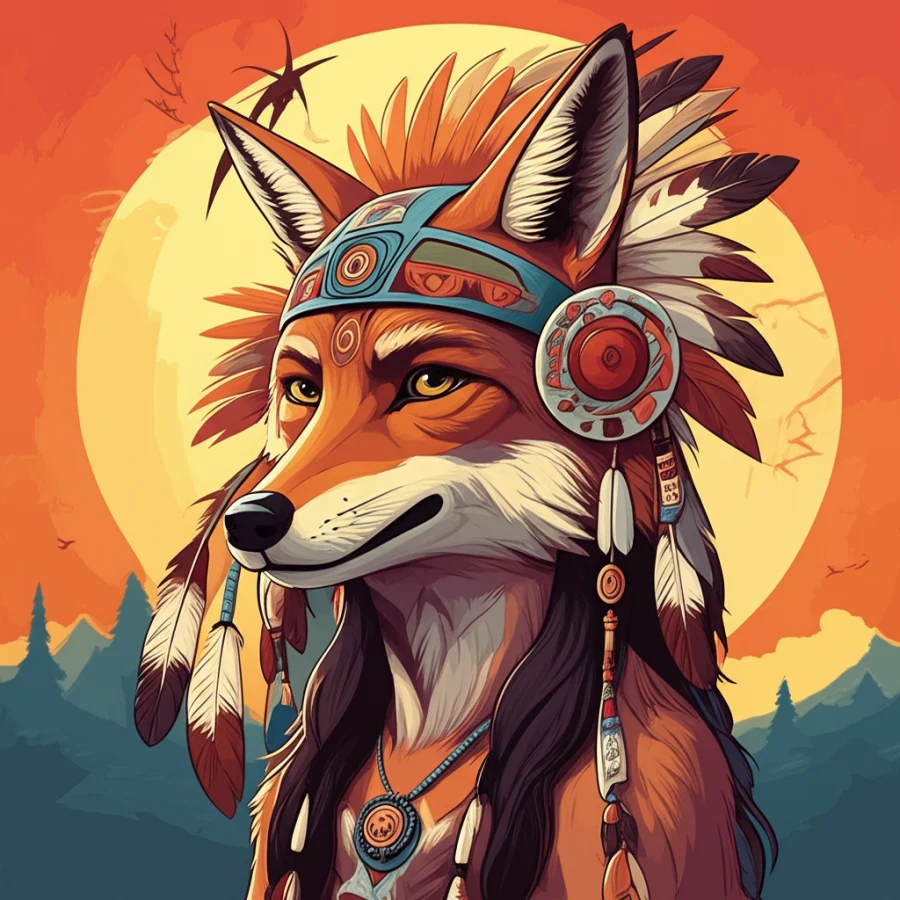
Introduction
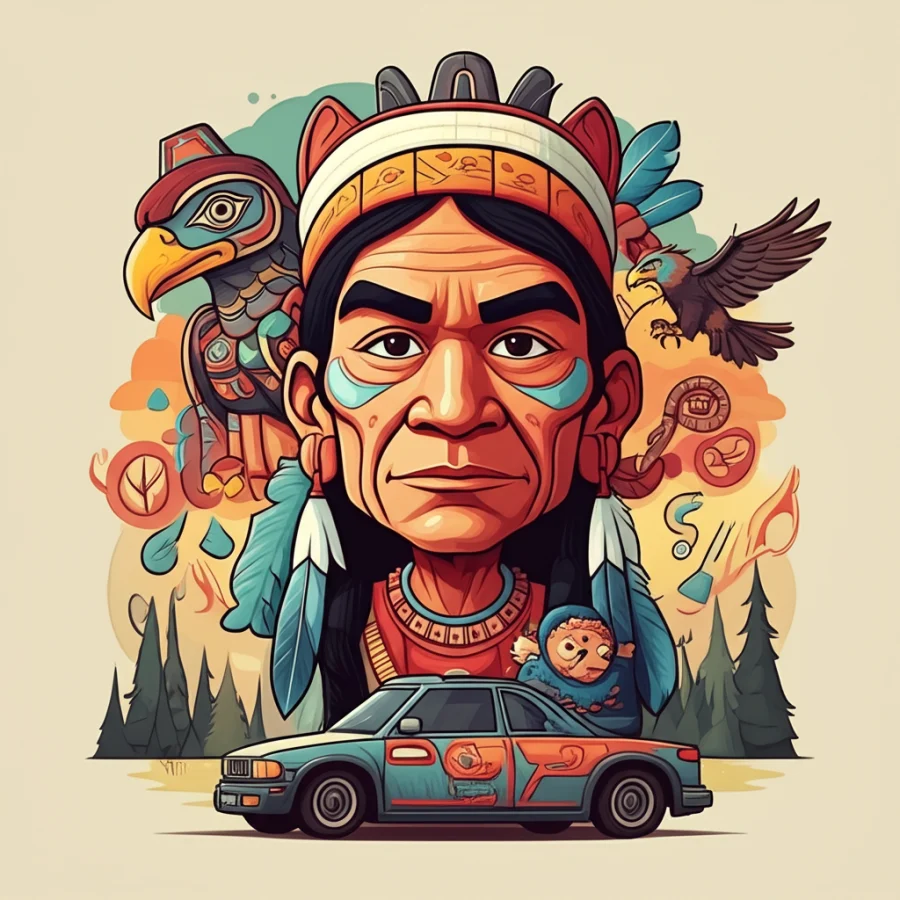
Across the vast landscapes of North America, from the arid deserts of the Southwest to the misty forests of the Pacific Northwest, echoes of ancient stories resonate. These stories, passed down through generations, speak of beings both powerful and enigmatic, figures that embody the delicate balance between order and chaos, good and evil. Among these figures are Coyote, the trickster of many Native American traditions, the skinwalker of Navajo lore, and similar shapeshifting figures found in the mythologies of the Pacific Northwest tribes. These are not accounts of historical fact, but traditional stories told by ancient peoples to explain the world around them, to impart moral lessons, and to connect with the unseen forces they believed governed their lives. These tales are rich with symbolism and meaning, offering a glimpse into the worldview of the people who created and shared them.
Origins and Cultural Background
To understand these figures, we must journey back to the cultural eras in which they were born. The Navajo, or Diné, emerged as a distinct cultural group in the Southwestern United States centuries ago. Their society was deeply intertwined with the natural world, and their beliefs were shaped by the harsh realities of their environment. The world was seen as a place of both beauty and danger, governed by powerful spirits and forces that could bring blessings or curses.
Similarly, the various tribes of the Pacific Northwest, including the Tlingit, Haida, and Coast Salish, thrived in a rich and abundant environment. Their societies were structured around complex social hierarchies and elaborate ceremonies, and their mythology reflected their deep connection to the sea, the forests, and the animals that sustained them. Their world was animated by spirits, both benevolent and malevolent, and their stories often featured shapeshifters and beings with supernatural powers.
In both cultures, storytelling was a vital part of life. It was through stories that knowledge was passed down, moral lessons were taught, and the community was united. The stories were not just entertainment; they were a way of understanding the world and one’s place within it.
Character / Creature Description
Coyote, the trickster, is a central figure in many Native American mythologies. He is often depicted as a cunning, mischievous, and sometimes foolish character. He is a shapeshifter, capable of taking on different forms, and he is known for his ability to disrupt the established order. However, Coyote is not simply a force of chaos. He is also a creator, a teacher, and a bringer of change. His actions, though often unpredictable, can ultimately lead to positive outcomes. Symbolically, Coyote represents the unpredictable nature of life, the importance of adaptability, and the potential for good to emerge from unexpected places.
The skinwalker, a figure prominent in Navajo lore, is a more sinister being. Skinwalkers are believed to be individuals who have gained supernatural powers through dark magic, often by violating cultural taboos. They are said to be able to transform into animals, such as wolves, coyotes, or birds, and they use their powers to harm others. The skinwalker is a symbol of the dangers of straying from cultural norms, the corrupting influence of power, and the fear of the unknown.
In the Pacific Northwest, shapeshifting figures abound. These beings, often associated with specific animals like ravens or eagles, possess the ability to transform between human and animal forms. They can be benevolent or malevolent, and their actions often have profound consequences for the human world. They symbolize the interconnectedness of all living things, the power of transformation, and the potential for both good and evil to exist within a single being.
Main Story / Narrative Retelling
Let’s imagine a story that weaves together elements of these traditions:
Long ago, in a land where the red rocks of the Southwest met the towering cedars of the Northwest, lived a man named Talon. Talon was a respected member of his tribe, known for his hunting skills and his wisdom. But Talon harbored a secret ambition. He craved power, the kind of power that could bend the world to his will.
He sought out forbidden knowledge, delving into ancient rituals and dark practices. He learned to manipulate the spirits of the animals, to twist their essence to his own purposes. One night, under the cold gaze of the moon, he performed a ritual that transformed him. He became a skinwalker, able to shift between human and coyote form at will.
In his coyote form, Talon stalked the land, sowing discord and fear. He played tricks on travelers, led hunters astray, and whispered nightmares into the ears of children. He reveled in his power, believing himself to be invincible.
But the spirits of the land were not blind to his transgressions. They sent Coyote, the trickster, to challenge Talon’s reign of terror. Coyote, in his usual unpredictable manner, began to unravel Talon’s plans. He disrupted Talon’s hunts, exposed his lies, and turned his own magic against him.
One day, Coyote confronted Talon in a hidden valley. They battled, their forms shifting and swirling like dust devils. Talon, fueled by dark magic, was a formidable opponent. But Coyote, with his cunning and his connection to the natural world, was able to outwit him.
In the end, Talon was defeated. His dark magic was stripped away, and he was left to face the consequences of his actions. The land rejoiced, and the balance was restored.
Coyote, his task completed, vanished into the wilderness, leaving behind a reminder that even the most powerful beings are not above the laws of nature and the consequences of their choices.
Symbolism and Meaning
To the ancient people who told this story, it may have represented the struggle between good and evil, the dangers of unchecked ambition, and the importance of respecting the natural world. The skinwalker, Talon, embodied the fear of those who stray from the path of righteousness, while Coyote represented the forces of balance and justice. The story served as a cautionary tale, reminding people of the consequences of their actions and the importance of maintaining harmony with the world around them.
Modern Perspective
Today, these myths are interpreted in various ways. In literature, movies, and games, Coyote and skinwalkers often appear as complex and ambiguous characters, reflecting the ongoing fascination with the darker aspects of human nature. Cultural studies examine these stories for their insights into the values, beliefs, and social structures of the cultures that created them. They are also recognized as important parts of the Native American cultural heritage.
Conclusion
It’s crucial to remember that this story is a product of cultural imagination, a traditional tale passed down through generations. As Muslims, we acknowledge that only Allah is the true Creator and Sustainer of the universe. We recognize the importance of respecting cultural heritage and appreciating the power of storytelling. These ancient narratives offer a glimpse into the minds of those who came before us, reminding us of the enduring human capacity for imagination, creativity, and the search for meaning in the world around us. These stories can enrich our understanding of human culture, but they should never be mistaken for religious or historical truth. They serve as a reminder of the diverse and fascinating ways that people have sought to understand their place in the world and the forces that shape their lives.