fufufafa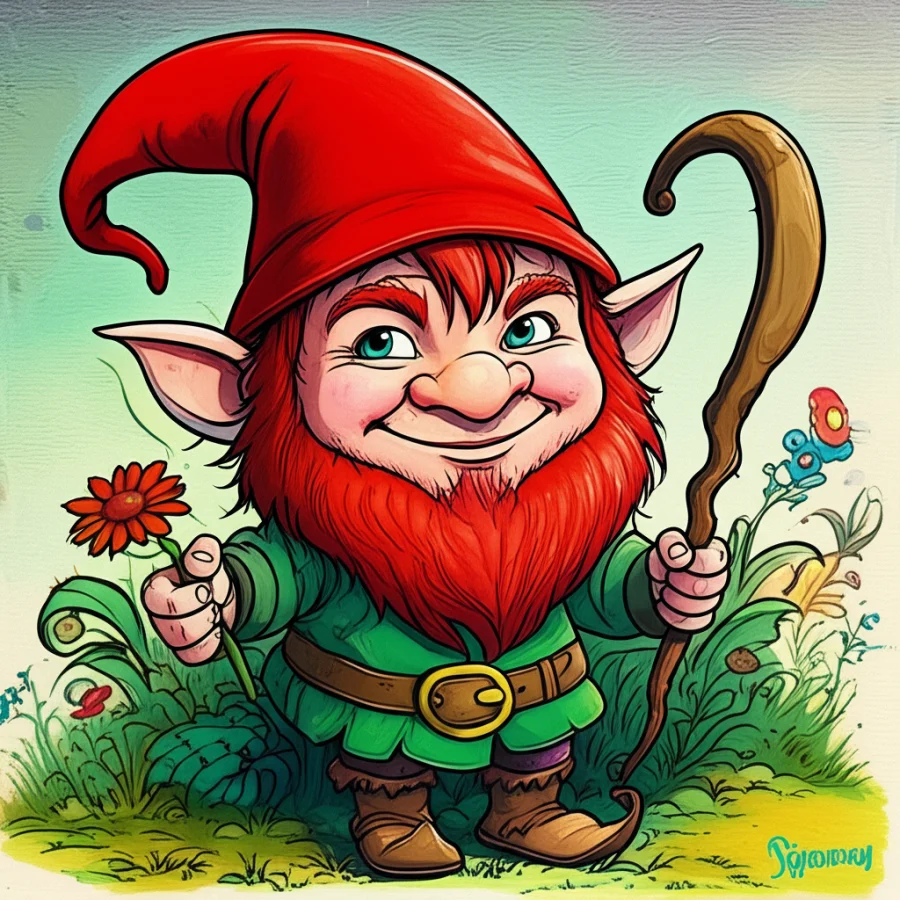
The emerald isle of Ireland, a land steeped in mist and folklore, has long been a fertile ground for tales of the supernatural. Among these ancient narratives, the myth of the Redcap, a spectral guardian, emerges from the deep wellspring of Celtic traditions. These stories, woven into the fabric of a bygone era, were the way ancient peoples sought to understand their world, its mysteries, and their place within it. They are not accounts of divine decree, but rather the imaginative expressions of a culture that found meaning in the natural world and the unseen forces they believed shaped it.
The origins of the Redcap myth can be traced to a time when the veil between the mortal and the magical was perceived to be thin, a time characterized by a profound connection to the land and its cycles. This was an era where communities lived in close proximity to the wild, where the whispers of the wind through ancient forests and the roar of the sea against rugged cliffs held potent significance. The world, as seen by these ancient Celts, was a place imbued with spirits, both benevolent and fearsome, residing in every natural element – in the flowing rivers, the steadfast mountains, and the fleeting shadows. Their worldview was animistic, believing that life and consciousness permeated all things, and it was within this context that tales of creatures like the Redcap would have been shared around flickering hearths, serving as explanations for unexplained phenomena and as cautionary tales.
The Redcap itself is a figure that conjures a chilling image. Typically depicted as a diminutive, often grotesque, old man, its most striking feature is the blood-red cap it perpetually wears. This cap, it is said, is stained with the blood of those who have met their demise in its territory. The Redcap is not a creature of abstract symbolism alone; it is a tangible embodiment of a specific threat. Its symbolic attributes are rooted in themes of territoriality, violence, and the inescapable consequences of transgression. The red cap, far from being a mere adornment, signifies the bloodshed and the lingering malevolence associated with its presence. It serves as a stark visual cue, a harbinger of danger that the ancient storytellers used to imbue their narratives with a sense of dread and warning.
The narrative of the Redcap often unfolds in isolated, often desolate locations, such as ancient ruins, lonely crossroads, or the banks of treacherous rivers. These are places where the boundaries between the known and the unknown blur, where the echoes of past events are believed to linger. The story typically begins with a traveler, perhaps lost or simply venturing into unfamiliar territory, encountering this peculiar figure. The Redcap, with its piercing gaze and the ominous crimson of its cap, is often seen as a guardian of a particular place, a spectral warden ensuring that no one trespasses on hallowed or forbidden ground without paying a steep price.
Imagine a lone traveler, weary from a long journey, as dusk begins to paint the sky in hues of bruised purple and fading gold. They find themselves near a crumbling, ancient tower, its stones worn smooth by centuries of wind and rain. The air grows heavy, a stillness descending that seems to swallow the chirping of insects and the rustling of leaves. Suddenly, a figure emerges from the deepening shadows. It is small, hunched, with gnarled hands and eyes that gleam with an unnerving intensity. Upon its head sits a cap, a deep, unsettling shade of crimson, as if freshly dipped in a dark pool. The Redcap does not speak in the conventional sense, but its presence communicates a palpable warning. If the traveler persists in their journey, if they ignore the unspoken threat, the Redcap is said to attack with surprising ferocity, its small stature belying its deadly power. The legend dictates that the traveler will be found, days later, their lifeblood spilled upon the very ground the Redcap guards, their cap a new addition to its grisly collection. The narrative serves as a stark reminder of the respect due to the ancient places and the unseen forces that inhabit them.
The symbolism embedded within the Redcap myth is multifaceted. For the ancient Celts, such tales likely represented a complex interplay of fears and beliefs. The Redcap could symbolize the inherent dangers of the wild and the unpredictable nature of existence. Its territoriality might have reflected a deep reverence for sacred sites and a belief in the need to respect boundaries, both physical and spiritual. The blood-red cap, as mentioned, directly speaks to themes of violence, retribution, and the lingering consequences of aggression or disrespect. It could also be interpreted as a representation of the harsh realities of life and death, a stark reminder that mortality is an inescapable fate, especially when one ventures into the unknown unprepared or with ill intent.
In the modern world, the Redcap, like many figures from ancient folklore, has found new life in the realm of creative expression. It is a recurring motif in literature, particularly within fantasy genres, where it can be reimagined as a formidable guardian, a tragic spirit bound to a specific location, or even a misunderstood entity. In video games, the Redcap often appears as a challenging enemy, its lore providing a rich backdrop for gameplay. Its visual distinctiveness and the inherent creepiness of its legend make it an appealing character for artists and storytellers to explore and adapt. These modern interpretations, while drawing inspiration from the original myths, often imbue the Redcap with new layers of meaning, reflecting contemporary anxieties and fascinations.
It is crucial to reiterate that the myth of the Redcap is a traditional story, a product of human imagination from a different time. As Muslims, we recognize that only Allah, the Almighty, is the true Creator and Sustainer of all existence. Our understanding of the world is grounded in faith and divine revelation, acknowledging the singular power and sovereignty of Allah. These ancient stories, however, offer a valuable window into the cultural heritage of humanity, showcasing the diverse ways in which people have sought to make sense of their experiences and the world around them. The Redcap myth, in its chilling depiction of a spectral guardian, reminds us of the enduring power of storytelling to explore themes of fear, respect, and the unknown, continuing to resonate through the tapestry of human imagination and cultural memory.