fufufafa
The grand tapestry of human civilization is woven with threads of myth and legend, stories passed down through generations that offer glimpses into the ancient soul of a people. Among the most enduring of these are the tales of the Greeks, a rich mythology that shaped their understanding of the world, the gods, and their own origins. One such narrative, deeply intertwined with the legendary Trojan War, speaks of the mythical founding of Athens, a city that would one day become a beacon of democracy and philosophy. It is crucial to remember, as we delve into these captivating stories, that they are products of ancient imagination and storytelling, not historical fact, and are presented here for cultural and educational understanding.
Our journey begins in the sun-drenched landscapes of ancient Greece, a world where the divine and the mortal were not always so clearly separated. This was an era, roughly spanning the Bronze Age and its aftermath, where people sought explanations for the untamed forces of nature – the fury of storms, the bounty of harvests, the mysteries of life and death. Their world was a vibrant, often perilous place, and their myths provided a framework for understanding their existence. The gods, with their potent powers and often capricious desires, were seen as active participants in human affairs, their actions shaping the destinies of mortals. Natural phenomena were imbued with divine will, and heroes and heroines were often born from unions between gods and mortals, embodying both the strengths and frailties of both realms. The stories of the Trojan War, a conflict shrouded in legend and perhaps rooted in some distant historical echo, were a central pillar of this cultural landscape, resonating with themes of honor, fate, and the clash of mighty civilizations.
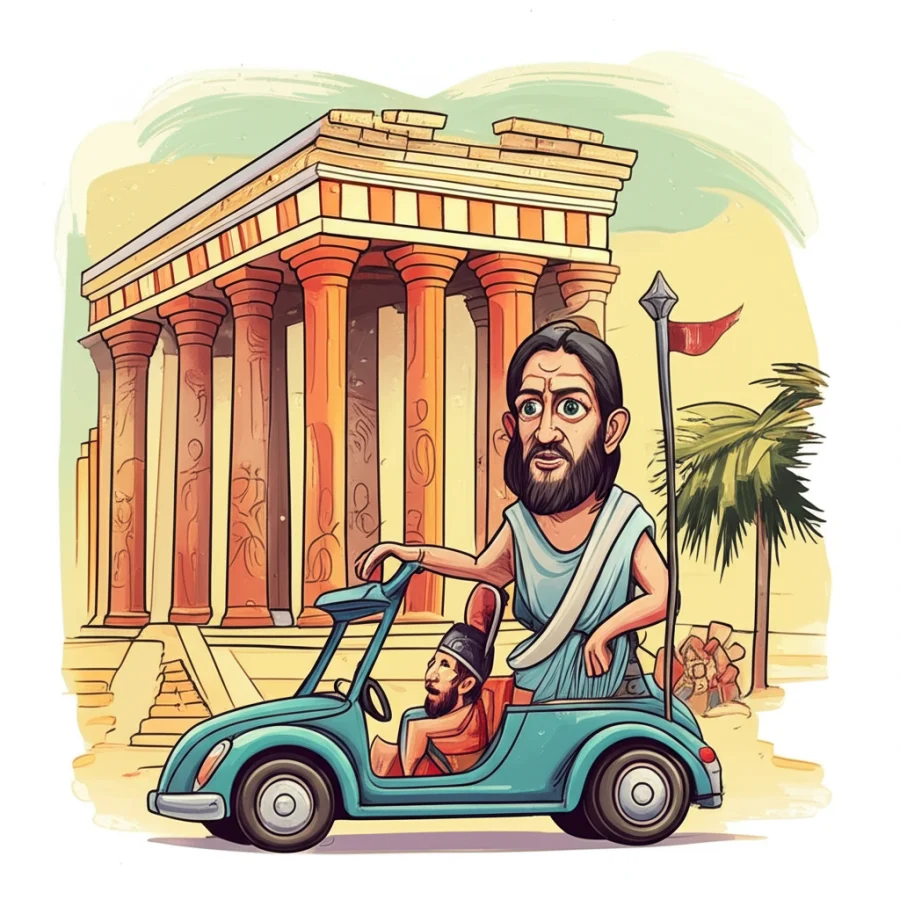
Within this rich mythological context, we encounter figures like Erechtheus, a name whispered in reverence and awe. Erechtheus, in Athenian tradition, was not a god, but a foundational hero, a king and a divine descendant. He is often depicted as a being deeply connected to the very earth of Attica, sometimes described as having a serpentine lower body, symbolizing his chthonic, earth-born nature. This imagery is not intended to suggest literal belief, but rather to represent his profound link to the land, his role as a protector and nurturer of his people, and his inherent, almost elemental, power. His attributes were those of a wise ruler, a defender of his city, and a figure blessed by divine favor, particularly from Athena, the goddess of wisdom and warfare, who was the patron deity of Athens.
The tale of Athens’ origins, as woven into the broader narrative of the Trojan War era, often begins with a divine dispute and a foundational pact. The story goes that Poseidon, god of the sea, and Athena, goddess of wisdom, both vied for patronage over the nascent city. To settle this, they agreed to offer a gift to the people, and the city would belong to whichever deity’s gift proved most valuable. Poseidon, with a mighty strike of his trident, struck the Acropolis, and a spring of saltwater gushed forth, a symbol of his dominion over the seas and naval power. Athena, in turn, touched the ground, and from it sprouted an olive tree, a symbol of peace, prosperity, and sustenance. The people, it is said, recognized the enduring value of the olive tree – its fruit for food and oil, its wood for building and tools, and its symbolic representation of peace and civilized life. Thus, the city was named Athens, in honor of Athena, and the olive tree became its sacred emblem.
Erechtheus, in some versions of these foundational myths, plays a pivotal role in solidifying Athena’s claim and in the early defense of the city. He is portrayed as a king who, through his wisdom and courage, defended Athens against invaders, sometimes even from the very forces involved in the distant Trojan conflict. One prominent narrative connects him to the legendary battle against the Amazons, a mythical race of warrior women. Erechtheus, with the aid of Athena, is said to have repelled their invasion, further establishing Athens as a formidable and divinely protected city. These stories, though fantastical, speak of the early struggles and the desire for a strong, secure identity for the city.
The symbolism embedded within these myths is rich and multifaceted. The contest between Poseidon and Athena, for instance, can be interpreted as representing the duality of human endeavors – the raw power of the sea and its potential for both trade and destruction versus the cultivated wisdom and enduring peace offered by the land and its resources. The olive tree itself embodies resilience, growth, and the fruits of civilization. Erechtheus, as an earth-born king, symbolizes the deep connection between the rulers and their land, the idea that true leadership is rooted in the well-being of the people and the prosperity of their territory. His victories against invaders speak to the ancient human desire for security and the establishment of order in a chaotic world. These narratives also served to legitimize Athenian identity, linking their city’s past to the grand events of mythology and the favor of powerful deities.
In the modern world, these ancient tales continue to resonate, finding new life in literature, film, and art. The Trojan War itself has been the subject of countless retellings, from Homer’s epic poems to modern novels and cinematic adaptations. The figures of Athena, Poseidon, and the heroes and heroines of these myths continue to inspire, their stories dissected for themes of love, loss, courage, and the human condition. Athenian mythology, in particular, informs our understanding of the city’s enduring legacy in philosophy, democracy, and art. Scholars and enthusiasts alike delve into these narratives for cultural and historical insights, appreciating the imagination and worldview of the ancient Greeks.
In conclusion, the mythical origins of Athens, intertwined with the legends of the Trojan War and figures like Erechtheus, offer a captivating glimpse into the cultural and spiritual landscape of ancient Greece. These are powerful narratives, born from human curiosity and the desire to explain the world and one’s place within it. They are not historical accounts to be believed as truth, but rather a testament to the enduring power of storytelling and the rich tapestry of human imagination. As Muslims, we recognize that only Allah is the true Creator and Sustainer of all existence. Yet, in appreciating these ancient stories, we can acknowledge their value as cultural heritage, understanding how they shaped the worldview of past civilizations and continue to influence our understanding of mythology, history, and the art of narrative. They remind us of the diverse ways in which humanity has sought meaning and order, weaving tales that echo through the ages.