fufufafa
In the vast tapestry of human storytelling, woven from threads of imagination, fear, and the profound desire to understand the world, lie countless myths and legends. Among these, the tale of Zhurong, the fiery spirit of the south, and the forgotten temple that bore his name, emerges from the rich cultural heritage of ancient China. This is not a recounting of historical fact, nor a decree to be believed, but a traditional narrative passed down through generations, offering a glimpse into the worldview of those who first told it.
Origins and Cultural Background: Echoes of the Bronze Age
The stories of Zhurong are rooted in a time when ancient Chinese civilization was taking shape, likely during the Bronze Age and the early dynasties. This was an era where the natural world was a powerful and often unpredictable force. Mountains loomed as colossal beings, rivers surged with untamed might, and the sun blazed with an intensity that could both nurture and destroy. For the people of this time, the world was alive with spirits and deities, each governing a particular aspect of existence. Their understanding was deeply intertwined with the cycles of nature – the fertile spring, the scorching summer, the bountiful autumn, and the stark winter. They sought to appease these unseen forces through rituals and offerings, hoping to ensure good harvests, protection from natural disasters, and a harmonious existence.
In this context, the concept of deities associated with cardinal directions and elemental forces was prevalent. The south, in particular, was often linked with heat, fire, and the vibrancy of summer. It was a direction that held both promise and peril, capable of bringing life-giving warmth but also devastating droughts and wildfires.
Character / Creature Description: Zhurong, the Fiery Guardian
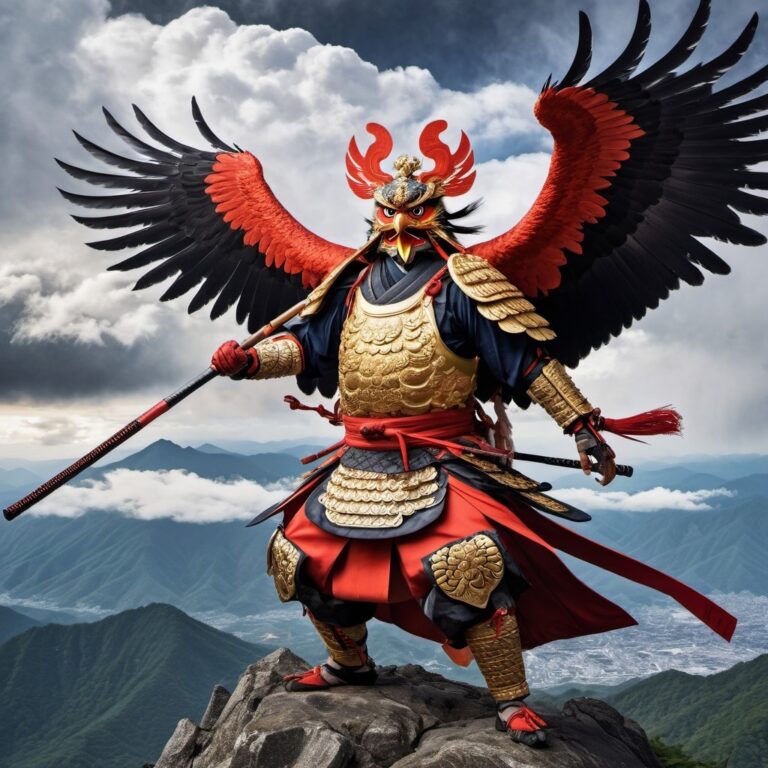
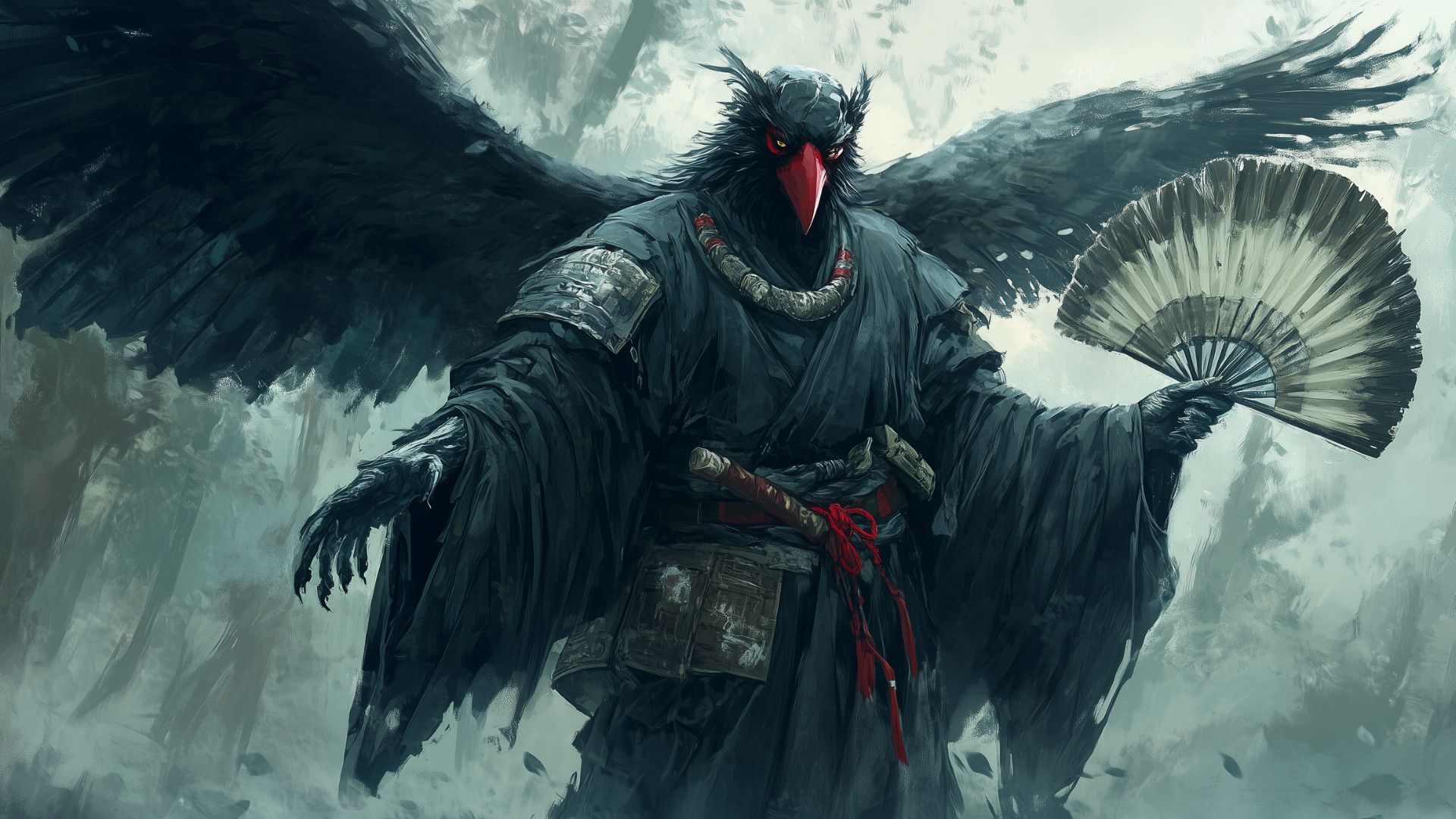
Zhurong, as depicted in these ancient tales, is not a gentle deity, but a powerful and formidable figure. He is often described as a spirit of fire, a being intrinsically connected to the sun and its intense heat. His attributes are symbolic of the forces he embodies. The vibrant red hues associated with him represent the flames, the energy of summer, and the life-giving warmth of the sun. His presence could be felt in the scorching heat of the midday sun, the crackle of a hearth fire, and the destructive roar of a wildfire. He was seen as a guardian of the southern lands, a force that could both protect and challenge those who inhabited them. His symbolic attributes represent the dual nature of fire: its capacity for creation and warmth, but also its potential for destruction and chaos.
Main Story / Narrative Retelling: The Whispers of the Forgotten Temple
Imagine a time when the land was younger, and the whispers of the spirits were more readily heard. In the southern reaches of the great plains, where the sun beat down with an unyielding intensity, there stood a temple. It was not a grand edifice of stone, but a more ancient place, built by hands long turned to dust, perhaps of packed earth and sturdy timbers, weathered by centuries of wind and rain. This was the Temple of Zhurong, a place where the people once brought their pleas for warmth during the cold seasons, and their prayers for moderation during the scorching heat of summer.
The temple, however, had been forgotten. The paths leading to it had become overgrown, swallowed by the encroaching wilderness. The intricate carvings that once adorned its walls were now softened by moss and time, their stories fading like the embers of a dying fire. Yet, the spirit of Zhurong, the fiery essence of the south, still lingered.
There was a village nestled on the edge of the plains, a community that had fallen into a slow decline. The harvests were meager, the winters seemed colder, and the summers, when they arrived, were often too harsh, scorching the tender shoots of grain. The elders spoke of a time when their ancestors lived in greater harmony with the land, when the sun was a benevolent presence, and the rains came when needed. They spoke, too, of a forgotten deity, a powerful spirit who held sway over the southern winds and the sun’s embrace.
One day, a young woman named Lin, known for her keen observation and her gentle heart, found herself wandering further than usual in search of medicinal herbs. Her journey led her to a clearing she had never seen before. In its center, half-hidden by a curtain of vines, stood the ruins of the temple. It was a somber sight, a testament to a lost connection. Yet, as Lin stood there, a strange warmth seemed to emanate from the very stones. She felt a presence, not of malice, but of immense, untamed power.
Lin, remembering the hushed tales of her grandmother, felt a stirring of something within her. She did not fully understand the spirit of Zhurong, but she felt a profound respect for the forces of nature it represented. She returned to her village and spoke of her discovery. At first, the villagers were hesitant. The temple was a place of the past, a relic of forgotten beliefs. But as the hardships continued, a desperate hope began to flicker.
Lin, accompanied by a few brave souls, returned to the temple. They did not come with elaborate rituals or offerings of blood, but with simple gestures of respect. They cleared away the encroaching weeds, carefully revealing the weathered carvings. They swept the dust from the ancient floor and sat in quiet contemplation, feeling the sun on their faces, the wind rustling through the trees. They did not demand, but rather acknowledged. They recognized the power of the sun and the wind, the fundamental elements that sustained their lives.
As they spent time at the forgotten temple, a subtle shift began to occur. The harshness of the summer seemed to temper. The rains, when they came, were gentler, more life-giving. The harvests, though not abundant, were sufficient. The villagers did not attribute this to a sudden divine intervention, but to a renewed understanding of the balance of nature, a reawakening of their connection to the land and the forces that governed it. The tale of Zhurong and the forgotten temple became a reminder that even in the face of hardship, a connection to the natural world, a sense of respect for its power, could bring a sense of peace and resilience.
Symbolism and Meaning: A Dance with the Elements
To the ancient Chinese, this tale, like many others, likely served as a way to personify and understand the powerful forces of nature. Zhurong, the spirit of the south, symbolized the intense heat of summer, the life-giving energy of the sun, and the potential for both prosperity and destruction that these elements held. The forgotten temple represented a disconnect from this natural order, a loss of balance.
The story could have conveyed several meanings. It might have spoken of the importance of maintaining a respectful relationship with the natural world, understanding its cycles and appeasing its power through reverence rather than fear. It could have been a moral tale about the consequences of neglecting one’s heritage and connection to the land. For a society deeply dependent on agriculture, the tale of Zhurong and a balanced summer would have resonated deeply with their daily struggles and hopes. It was a way of navigating the unpredictable, of finding meaning in the vast and often overwhelming forces that shaped their lives.
Modern Perspective: Echoes in Contemporary Culture
Today, the figure of Zhurong has found new life in various forms of modern media. In literature and gaming, he might be reimagined as a powerful mythological entity, a guardian spirit, or even a formidable antagonist, drawing upon his fiery attributes. His story can be explored in academic studies of Chinese mythology and folklore, offering insights into the beliefs and societal structures of ancient China. These interpretations, while imaginative, often draw upon the rich symbolism inherent in the original tales, transforming ancient narratives into new forms of entertainment and cultural exploration.
Conclusion: A Legacy of Stories
The tale of Zhurong and the forgotten temple stands as a testament to the enduring power of human imagination and the rich legacy of cultural storytelling. It is a reminder that even as societies evolve, the stories passed down from ancient peoples continue to offer valuable insights into their worldviews, their fears, and their aspirations. As Muslims, we recognize that only Allah is the true Creator and Sustainer of all existence, the ultimate source of all power and life. Yet, we can also appreciate these traditional narratives for their cultural significance, their artistry, and the timeless human desire to understand our place in the universe, a desire that has always found expression in the compelling art of storytelling. The echoes of Zhurong, though a figure of myth, remind us of the profound and often beautiful ways in which humans have sought to connect with the world around them.