fufufafa
In the mists of ancient Ireland, a land sculpted by wind and water, where the verdant hills met the restless sea, lived a rich tapestry of stories. These were not mere tales spun for amusement, but narratives deeply woven into the fabric of life, explaining the world, the cosmos, and the human condition. Among these enduring legends is the tale of Lugh, a hero figure, and his connection to a sacred mountain, a story that echoes through the ages, offering a glimpse into the worldview of a people who saw divinity in the natural world.
The era in which these myths flourished was one where the lines between the physical and the spiritual were fluid. For the ancient Celts, the world was alive, imbued with unseen forces and governed by beings who influenced the tides, the seasons, and the destinies of mortals. Nature was not a passive backdrop but an active participant in life, and mountains, with their imposing presence and proximity to the heavens, were often regarded with particular reverence. They were seen as liminal spaces, bridges between the earthly realm and the divine, places where communication with the gods might be more potent. It is within this context of animism and a profound connection to the land that the legend of Lugh and the sacred mountain finds its roots.
Central to this narrative is the figure of Lugh, often depicted as a brilliant and multifaceted hero. He is a master of many skills, a warrior, a craftsman, a sorcerer, and a king. His symbolic attributes are numerous, representing the ideal leader and the embodiment of diverse talents. He is associated with the sun, his name possibly deriving from a word meaning "light" or "radiance." This connection to the sun suggests themes of life-giving energy, illumination, and a powerful, overarching presence. He is also known for his spear, a potent symbol of power, authority, and the sharp precision of intellect. Lugh’s lineage is complex, often involving a duality of heritage, hinting at his ability to bridge different worlds and understand varied perspectives. He is not a singular, static entity but a dynamic force, capable of adapting and excelling in any domain he enters.
The narrative of Lugh and the sacred mountain often unfolds as a quest, a testament to his courage and his inherent connection to the land. Imagine a time when a great shadow threatened the prosperity of the land, a blight that withered the crops and cast a pall over the spirits of the people. The elders, their faces etched with worry, spoke of an ancient pact, a balance that had been disturbed, and the need for a champion to restore it. They whispered of a sacred mountain, a towering sentinel that pierced the clouds, its peak shrouded in mystery and legend. This mountain was not just a geographical feature; it was believed to be the dwelling place of powerful spirits, a nexus of primal energies.
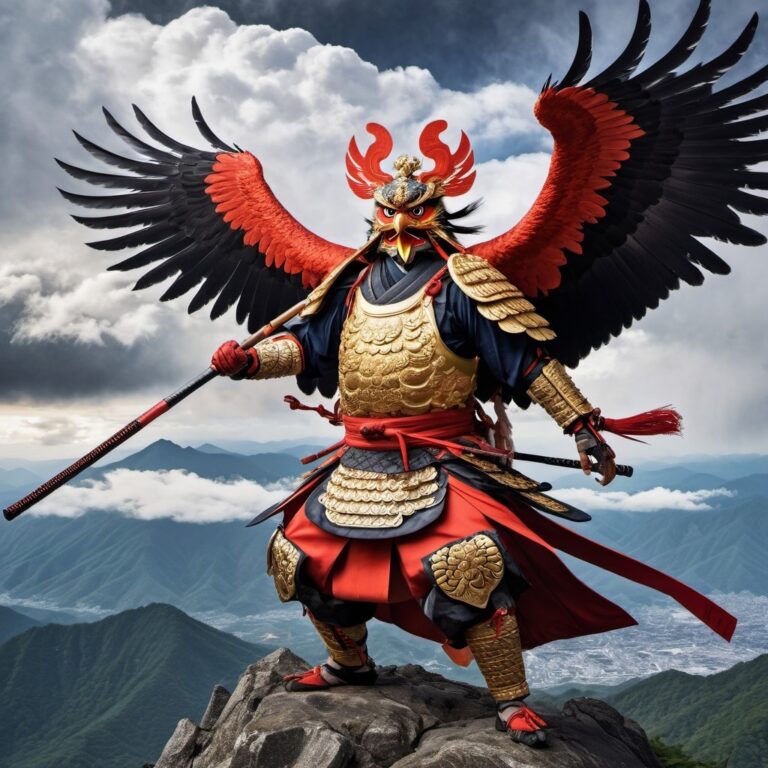
It was to this daunting peak that Lugh was drawn. The journey itself was fraught with peril. The paths were treacherous, winding through dense forests where ancient trees stood like silent guardians, and across windswept plains where the elements tested the resolve of any traveler. As Lugh ascended, the air grew thinner, the wind howled with the voices of the past, and the very rocks seemed to hum with an ancient power. He faced trials that tested his strength, his cunning, and his spirit. Perhaps he encountered fearsome creatures, guardians of the mountain’s secrets, or navigated illusions designed to deter the unworthy.
Upon reaching the summit, a place where the world stretched out beneath him like a vast, emerald tapestry, Lugh did not find a tangible foe. Instead, he found a profound stillness, a palpable presence that resonated with the very core of his being. Here, he communed with the spirit of the mountain, an entity that embodied the enduring strength of the earth, the clarity of the skies, and the wisdom of ages. It is said that Lugh, through his own inherent brilliance and his respectful approach, was able to understand the mountain’s silent pronouncements. He learned of the balance that needed to be restored, not through conquest, but through understanding and harmonization. Perhaps he performed a ritual, a gesture of respect and reciprocity, or offered a skill that the mountain’s spirit required. In some versions, Lugh might have been gifted a symbolic item, a token of the mountain’s blessing, which would then aid him in his return and his subsequent efforts to heal the land. His triumph was not one of dominance, but of integration, of becoming a conduit for the mountain’s restorative power.
The symbolism embedded within this tale is rich and multifaceted. The sacred mountain itself can be seen as representing the enduring and unyielding forces of nature, a source of primal power and ancient wisdom. Its height and isolation suggest a connection to the divine, a place of introspection and revelation. Lugh’s journey to its peak embodies the human quest for knowledge, for spiritual understanding, and for the courage to face challenges. His multifaceted nature and mastery of skills symbolize the ideal of a well-rounded individual, capable of leadership and possessing diverse talents. The story may have served to teach ancient peoples about the importance of respecting the natural world, of understanding its rhythms, and of seeking harmony with its forces. It could also represent the qualities of a wise ruler – one who possesses strength, intelligence, and a deep connection to the land they govern. The trials Lugh faces on his ascent can be interpreted as metaphors for the challenges individuals face in their own lives, requiring resilience, adaptability, and inner strength.
In the modern world, the enduring appeal of such myths is evident in their reinterpretation across various cultural mediums. Lugh, as a compelling hero figure, frequently appears in contemporary literature, particularly in fantasy novels that draw inspiration from Celtic folklore. His character, with his array of skills and his radiant persona, provides fertile ground for imaginative storytelling. He might be a protagonist in video games, where players can experience his adventures and harness his symbolic powers. In academic circles, these myths are studied for their insights into ancient societal structures, religious beliefs, and the psychological landscape of past civilizations. They are analyzed for their narrative archetypes and their contributions to the broader tapestry of world mythology, offering a lens through which to understand how ancient peoples made sense of their existence.
It is important to reiterate that the tale of Lugh and the sacred mountain is a traditional story, a product of the imagination and cultural heritage of ancient peoples. It is a narrative passed down through generations, offering insights into their worldview and their understanding of the world around them. As Muslims, we recognize that only Allah (God) is the true Creator and Sustainer of all that exists. These stories, while fascinating and culturally significant, are not to be mistaken for divine truth or worshipped. Instead, they serve as powerful reminders of the enduring human impulse to tell stories, to explore the mysteries of existence, and to connect with the world through the boundless realm of imagination and cultural heritage. The tale of Lugh and the sacred mountain, in its vibrant imagery and profound symbolism, continues to resonate, a testament to the enduring power of human storytelling.