fufufafa
In the verdant, mist-shrouded landscapes of ancient Ireland, where the veil between the mortal and the otherworldly was said to be thin, tales were spun to explain the world, to imbue it with meaning, and to entertain. Among these captivating narratives is the story of Dagda, a figure from the rich tapestry of Irish mythology, and his connection to a sacred temple. It is crucial to understand that this is a traditional story, a product of the imagination and cultural understanding of ancient peoples, not a historical account or a doctrine to be believed. These stories offer a window into the worldview and the artistic expressions of a bygone era.
The myths featuring Dagda emerged from the Iron Age and early medieval periods of Ireland, a time characterized by tribal societies, a deep reverence for nature, and a complex spiritual landscape. The people of this era lived intimately with the land, their lives shaped by its rhythms, its bounty, and its unpredictable power. They perceived the world as alive with unseen forces, populated by spirits, deities, and beings that influenced their fortunes. The natural world – the rolling hills, the ancient forests, the powerful sea, and the ever-changing sky – was often personified and revered. In this context, mythological figures like Dagda served as archetypes, representing fundamental concepts and forces that governed their existence. They were not necessarily worshipped as literal deities in the same way as some other pantheons, but rather as powerful beings embodying aspects of leadership, fertility, wisdom, and the very essence of the land itself.
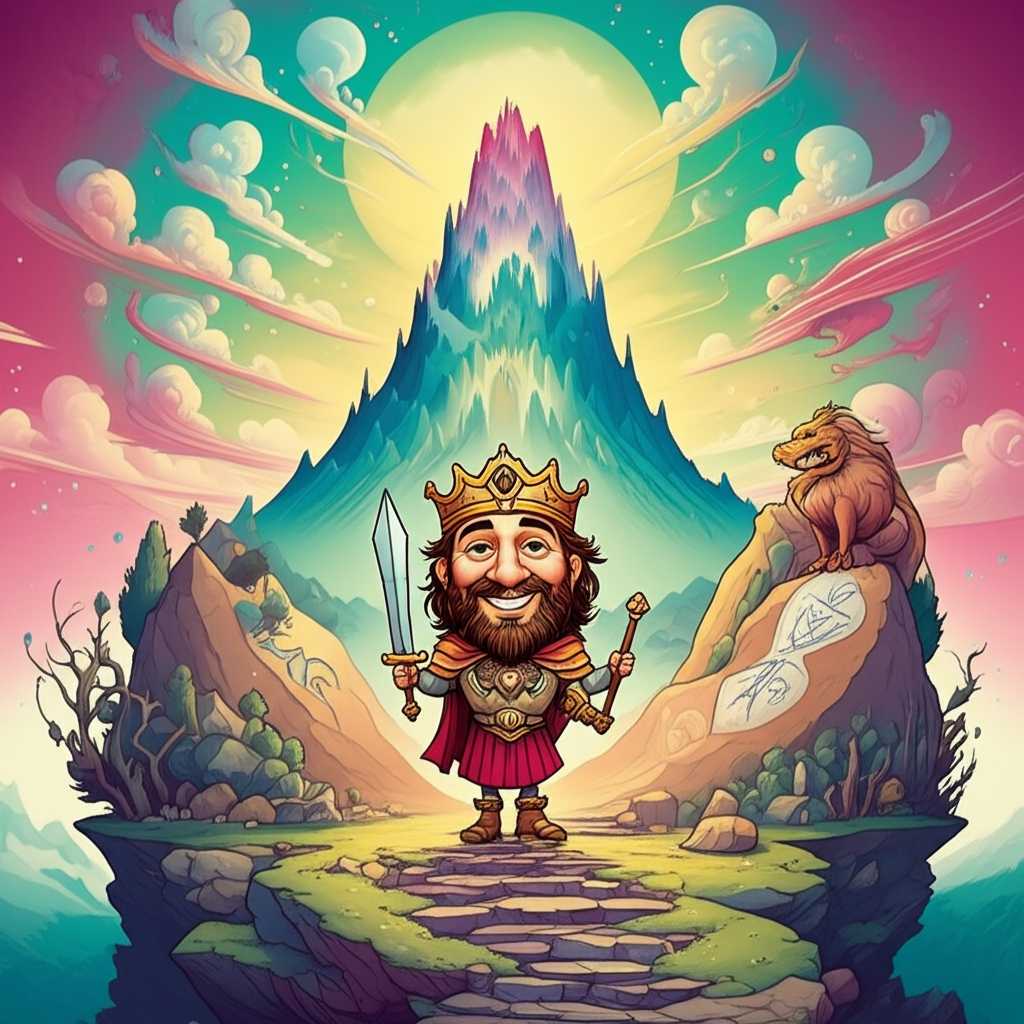
Central to this narrative is the figure of Dagda. He is often depicted as a powerful and benevolent chieftain of the Tuatha Dé Danann, the supernatural race who were said to have inhabited Ireland before the arrival of the Milesians. Dagda’s name itself, meaning "the good god" or "the great god," suggests his significant stature. He is rarely portrayed as a physically imposing warrior in the conventional sense, but rather as a figure of immense power, wisdom, and generosity. His symbolic attributes are multifaceted. He is often associated with abundance and sustenance, his magical cauldron said to be inexhaustible, providing food for all. He is also known for his formidable club, which could strike with the force of thunder, capable of both destruction and renewal. This duality reflects the ancient understanding of power – the capacity to both protect and to govern, to nurture and to command. Dagda embodies a holistic approach to leadership, encompassing not just martial prowess but also the ability to ensure prosperity and maintain order.
The tale of Dagda and the Sacred Temple often weaves through various Irish myths, sometimes appearing as a central element, other times as a backdrop. One prominent narrative involves the destruction and subsequent rebuilding of sacred sites, often linked to the Tuatha Dé Danann’s struggles and their dominion over Ireland. Imagine a time when the land itself was considered sacred, imbued with the presence of powerful beings. In this imagined past, a magnificent temple stood, a focal point of spiritual and communal life. This was no ordinary building; it was a sanctuary woven from ancient stone and the very essence of the earth, a place where the natural world and the divine were believed to converge. Within its hallowed walls, the people sought guidance, offered reverence, and celebrated the cycles of life.
However, as is often the case in mythological cycles, this sacred place faced a threat. Perhaps it was an invading force, or a natural cataclysm, or even internal strife that led to its ruin. The temple, once a beacon of prosperity and spiritual connection, lay in disarray, its stones scattered, its sacred purpose lost. It is in this moment of vulnerability that Dagda, the benevolent chieftain, steps forth. His presence brings a sense of hope and renewed purpose. He doesn’t simply command others to rebuild; he imbues the act with his own inherent power and wisdom.
The reconstruction of the temple is not merely a feat of engineering but a symbolic act of restoration. Dagda might use his immense strength, or perhaps his wisdom guides the hands of his people. The broken stones are reassembled, not just to form walls, but to resonate with the ancient energies of the land. The temple, under Dagda’s influence, is not just rebuilt but revitalized, becoming a place of even greater significance. It becomes a symbol of resilience, of the enduring spirit of the people, and of the power of good leadership to overcome adversity. The story might describe the rituals performed within its revitalized walls, the blessings bestowed, and the sense of renewed harmony that pervades the land. Dagda’s role is not that of a god demanding worship, but a powerful figure facilitating the community’s connection to the sacred and to their own collective strength.
The symbolism embedded within this tale is rich and varied, offering insights into the ancient Irish worldview. The sacred temple itself represents a nexus of spiritual power, a place where the earthly and the divine met. Its destruction and rebuilding likely symbolized the cyclical nature of life, the inevitable challenges faced by any community, and the capacity for renewal and recovery. Dagda, with his multifaceted attributes, embodied ideal leadership – one that was protective, wise, and ensured the prosperity and well-being of his people. His connection to the land and its abundance underscored the importance of a harmonious relationship with nature. The story could also represent the struggle between different forces – perhaps between order and chaos, or between the forces of the Tuatha Dé Danann and their adversaries.
In modern times, the tales of Dagda and the sacred temple, like many ancient myths, continue to captivate imaginations. They are explored in literature, where authors draw inspiration from these ancient narratives to craft new stories and characters. In visual media, these myths find expression in films, television series, and video games, offering players and viewers immersive experiences rooted in rich folklore. In academic circles, these stories are subjects of cultural studies, folklore analysis, and historical research, providing valuable insights into the beliefs, values, and social structures of ancient societies. Dagda himself remains a recognizable figure in popular culture, often depicted as a wise elder or a powerful, albeit somewhat whimsical, entity.
Ultimately, the tale of Dagda and the Sacred Temple is a testament to the enduring power of human storytelling. It is a cultural artifact, a vibrant thread in the rich tapestry of Irish mythology. As Muslims, we recognize that only Allah is the true Creator and Sustainer of all existence. These ancient narratives, while fascinating and culturally significant, are products of human imagination and serve to illuminate the way ancient peoples understood their world. They are valuable for their cultural heritage, their artistic merit, and the enduring human impulse to create meaning through stories. The echoes of Dagda and his sacred temple remind us of the power of imagination, the importance of cultural heritage, and the timeless human quest to understand our place in the universe.