fufufafa
In the shadowed valleys and windswept peaks of ancient Celtic lands, particularly those of Wales, stories were woven like intricate tapestries, passed down through generations around crackling fires. Among these, the tale of Arawn and the Hidden Mountain stands as a testament to the rich tapestry of imagination that shaped the worldview of these early peoples. This is not a chronicle of historical events, nor a divine revelation, but a traditional narrative, a product of ancient minds grappling with the mysteries of the world around them.
The era in which such myths took root was a time when the veil between the mundane and the mystical was perceived to be thin. Life was intimately tied to the rhythms of nature – the changing seasons, the bounty of the land, and the ever-present forces of the wild. The Celts, a collection of tribes spread across much of Europe, often lived in close proximity to dense forests, imposing mountains, and powerful rivers. Their understanding of the world was deeply animistic; they saw spirits and forces at play in every natural phenomenon, from the rustling of leaves to the roar of a storm. This worldview fostered a rich tradition of oral storytelling, where myths and legends served as a way to explain the inexplicable, to impart moral lessons, and to explore the complex relationship between humanity and the natural world.
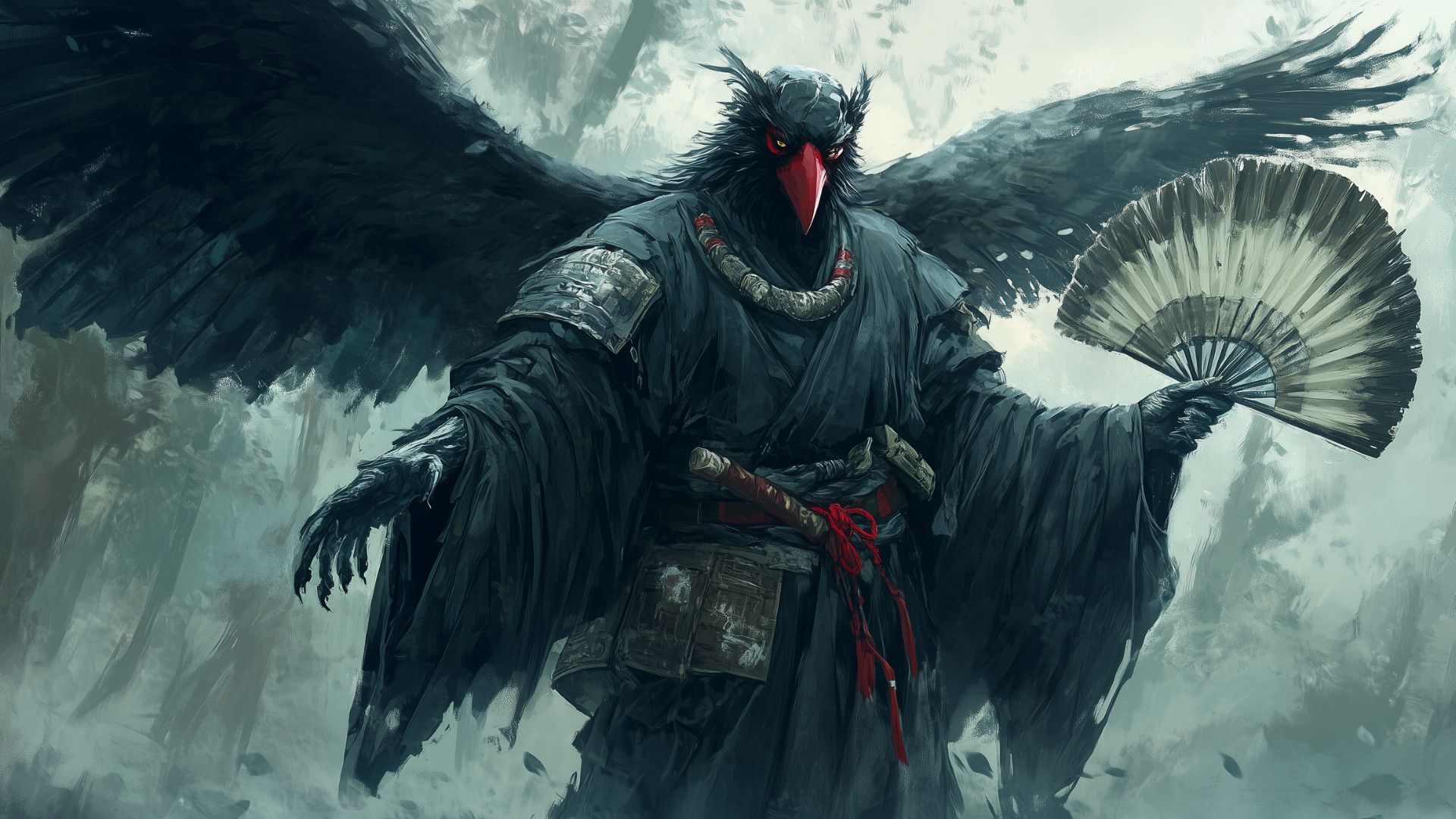
Central to this particular narrative is the figure of Arawn. Within the context of Welsh mythology, Arawn is often depicted as a powerful king, a sovereign of the Otherworld, known as Annwn. This realm, though sometimes described as a paradise, could also be a place of darkness and mystery, a shadowy counterpart to the mortal world. Arawn himself is not presented as inherently good or evil in a simplistic sense, but rather as a ruler embodying a profound, often formidable, power. His symbolic attributes often relate to dominion, the unknown, and the liminal spaces between life and death, or between the earthly and the supernatural. He represents the authority and the mystery that lay beyond the familiar horizons of human experience.
The narrative of Arawn and the Hidden Mountain often unfolds as a quest or a challenge. Imagine a time when the world was perhaps a little wilder, when the edges of charted territory were guarded by more than just treacherous terrain. In this story, a mortal hero, often a proud and ambitious warrior named Pwyll, finds himself drawn into the realm of Arawn. This encounter typically begins with a chance meeting, perhaps in a mysterious forest, where Pwyll stumbles upon a strange stag hunt. The hunter, none other than Arawn himself, is described as a figure of regal bearing, his presence commanding and otherworldly.
The core of the legend lies in an exchange or a bargain struck between Pwyll and Arawn. Often, Pwyll is tricked or persuaded into taking Arawn’s place for a year and a day in Annwn. This is no mere holiday; Pwyll is tasked with ruling Arawn’s kingdom, and in return, Arawn will assume Pwyll’s identity in the mortal world. The challenge is not just to govern, but to do so without engaging in any physical conflict, a pact that tests Pwyll’s restraint and wisdom. During this period, Pwyll, now inhabiting Arawn’s guise, faces his own trials, often confronting a rival king, Hafgan, and ultimately defeating him through cunning and adherence to Arawn’s strictures. Meanwhile, Arawn, in Pwyll’s form, lives a life of earthly pleasures, but with the same constraint of non-violence.
The climax of the story arrives with the fulfillment of the pact. Pwyll, having successfully completed his term, returns to his own world, and Arawn returns to his. However, the consequences of their exchange are often profound. The tale may detail how Pwyll, having learned valuable lessons in rulership and restraint, becomes a wiser and more just king. Arawn, having experienced the mortal world, might return to his realm with a newfound understanding or simply as the enigmatic ruler he always was. The "Hidden Mountain" itself, though not always explicitly described, serves as a potent symbol of the elusive and the sacred, a place where the boundaries of reality blur and where the forces of the Otherworld reside.
The symbolism embedded within this myth is multifaceted. The exchange between Pwyll and Arawn can be seen as an exploration of identity, duty, and the consequences of ambition. Pwyll’s trial represents the challenges of leadership and the importance of discipline. Arawn’s realm, Annwn, and the concept of the Otherworld often symbolize the unknown, the spiritual realm, or even the collective unconscious of the people. The "Hidden Mountain" could represent a place of spiritual enlightenment, a source of power, or a threshold to another dimension. The dual nature of Arawn himself, as a ruler of a potentially formidable realm, speaks to the ancient understanding of power as something to be respected, but also approached with caution. It is not about worship, but about acknowledging forces and concepts that were beyond immediate human control.
In contemporary times, these ancient tales continue to resonate, finding new life in various forms of media. The archetypes of the Otherworld, the enigmatic ruler, and the heroic quest are staples in fantasy literature, film, and video games. Characters like Arawn, with their blend of power and mystery, can inspire fictional antagonists or complex, morally ambiguous figures. The concept of a hidden realm or a magical mountain fuels countless narratives of adventure and discovery. Cultural studies scholars also examine these myths to understand the beliefs, values, and societal structures of ancient Celtic peoples, offering insights into their cosmology and their relationship with the natural world.
It is crucial to reiterate that the tale of Arawn and the Hidden Mountain is a traditional story, a product of ancient human imagination and a reflection of their cultural context. It is a fascinating piece of folklore, offering a window into the past and the enduring power of storytelling. As Muslims, we recognize that only Allah (God) is the true Creator and Sustainer of all existence. This understanding guides our perspective on such narratives, allowing us to appreciate them for their cultural and historical significance without attributing any divine power or truth to them. Ultimately, these ancient myths remind us of the richness of human heritage, the boundless capacity for imagination, and the enduring tradition of sharing stories that connect us to our past and to each other.