fufufafa
The rugged coastlines of Ireland, etched with the stories of a time when the veil between worlds was thin, are the birthplace of tales as ancient as the sea itself. Among these narratives, woven into the fabric of Irish folklore, is the legend of Manannán mac Lir and his potent artifact, the Stone of Fal. These are not accounts of historical fact, but rather the rich tapestry of imagination, spun by our ancestors to explain the mysteries of the world, the power of nature, and the enduring human spirit.
The era in which these myths flourished was one where the natural world held an immense, often awe-inspiring, sway over daily life. For the early Irish people, their existence was intimately tied to the rhythms of the land and the sea. Their societies were largely agrarian, dependent on the bounty of the earth, but the omnipresent ocean also dictated trade, travel, and often, peril. The world was seen as alive, imbued with spirits and forces that could be benevolent or capricious. Gods and mythical beings were not abstract concepts but were believed to inhabit the natural landscape – the mists that rolled in from the Atlantic, the ancient dolmens that dotted the hills, and the deep, unfathomable waters. The stories of Manannán mac Lir and his powers, therefore, served as a way to personify and understand these vast, untamed elements, offering explanations for the inexplicable and providing narratives to navigate a world both beautiful and dangerous.
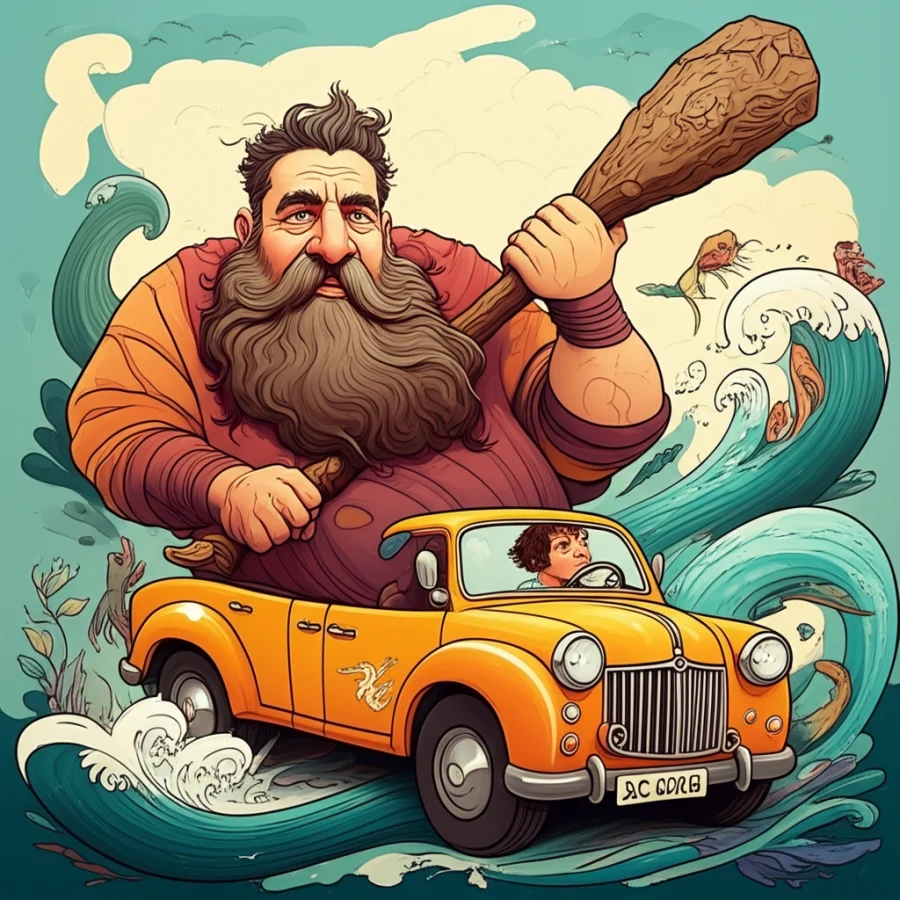
At the heart of this legend stands Manannán mac Lir, a figure deeply rooted in the mythology of the Tuatha Dé Danann, a semi-divine race said to have inhabited Ireland before the arrival of humans. Manannán is primarily known as a sea god, a powerful entity whose domain is the vast, ever-shifting ocean. He is often depicted as a master of illusion and transformation, capable of cloaking himself and his lands in mists or appearing in various guises. His symbolic attributes are tied to the sea: the ebb and flow of the tides, the unpredictable nature of storms, and the hidden depths that hold both treasure and danger. He is the guardian of the Otherworld, a mystical realm often situated across the sea, and his presence signifies a connection to the mystical and the unseen. The Stone of Fal, in this context, is not merely a stone, but an artifact that amplifies or embodies his inherent connection to this primal power.
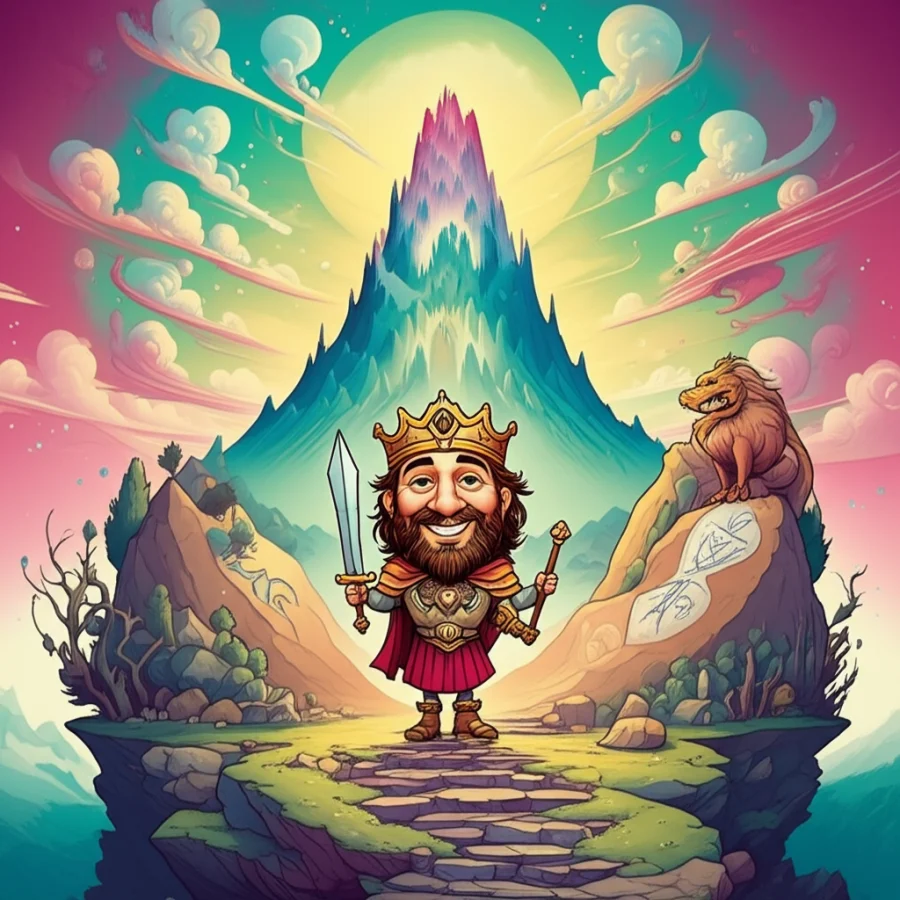
The narrative surrounding the Stone of Fal often speaks of its immense significance, not as a source of divine power to be worshipped, but as a symbol of sovereignty and destiny. While the exact tales vary, a common thread suggests the Stone of Fal was a magical object that would roar or cry out when the rightful High King of Ireland was about to be crowned. This served as a celestial endorsement, a sign that the chosen ruler was divinely favored or destined for greatness. Manannán mac Lir, as a powerful deity, was often associated with such potent symbols of kingship and authority. He might have possessed the Stone, or it might have been a relic tied to his lineage or his control over the lands of Ireland, reflecting his dominion over both the physical and mystical aspects of the realm. The stories would paint vivid pictures of ancient chieftains seeking its approval, the air thick with anticipation as they awaited its resonant pronouncement. It was a tangible representation of the legitimacy of power, a cosmic affirmation of leadership.
The Stone of Fal, and its association with Manannán mac Lir, can be interpreted as a powerful symbol for the ancient Irish people. It likely represented the inherent connection between the land and its rulers, suggesting that true sovereignty was not merely a matter of military might but also of divine or mystical sanction. The roaring of the stone could symbolize the voice of the land itself, acknowledging and approving of its chosen leader. Furthermore, the sea god Manannán’s involvement points to the vital role the ocean played in their lives – not just as a source of sustenance and trade, but as a boundary and a gateway to the unknown, a realm of powerful forces that influenced earthly affairs. The Stone, therefore, could also embody the unpredictable nature of destiny and the importance of heeding signs and omens. It spoke of a world where the spiritual and the material were inextricably linked, where the success of a king could be influenced by forces beyond human comprehension.
In the modern world, the legend of Manannán mac Lir and the Stone of Fal continues to resonate, finding new life in various forms of media and cultural study. Modern authors draw inspiration from these ancient myths to craft intricate fantasy novels, populating their worlds with sea gods and magical artifacts. Filmmakers and game developers frequently incorporate elements of Celtic mythology, including figures like Manannán, to add depth and mystique to their creations. For scholars, these stories offer invaluable insights into the worldview, societal structures, and spiritual beliefs of ancient peoples. They are preserved and studied not as literal truths, but as fascinating expressions of human imagination, cultural heritage, and the enduring power of storytelling.
Ultimately, the tale of Manannán mac Lir and the Stone of Fal remains a captivating narrative from Ireland’s rich mythological past. It serves as a testament to the creative spirit of our ancestors, their attempts to understand the world around them, and their capacity for wonder. As Muslims, we recognize that only Allah (God) is the true Creator and Sustainer of all existence. These ancient stories, however, offer a valuable window into the cultural heritage and the imaginative traditions that have shaped societies and continue to inspire us today. They remind us of the power of myth to illuminate our understanding of human history, culture, and the timeless art of storytelling.