fufufafa
From the misty shores and windswept landscapes of ancient Ireland, a land steeped in rich tapestry of myth and folklore, comes the legend of the Stone of Fal. This is not a tale of historical fact, but a captivating narrative woven by the people of a bygone era, their imaginations alive with the forces of nature and the mysteries of existence. These were stories told around crackling hearths, passed down through generations, offering explanations for the world as they perceived it, a world brimming with the unseen and the extraordinary.
The era in which such myths flourished was one where the boundaries between the natural and the supernatural were fluid. Life was intimately tied to the land and the sea, to the rhythms of seasons and the whims of weather. The ancient Celts, who populated Ireland and beyond, viewed the world as a place imbued with spirits and forces, each playing a part in the grand, often unpredictable, unfolding of events. Their worldview was animistic, seeing life and consciousness in mountains, rivers, and the vast, enigmatic ocean. It was within this vibrant, spiritualized landscape that the figure of Manannán mac Lir emerged, a powerful entity associated with the sea, its mysteries, and its boundless power.
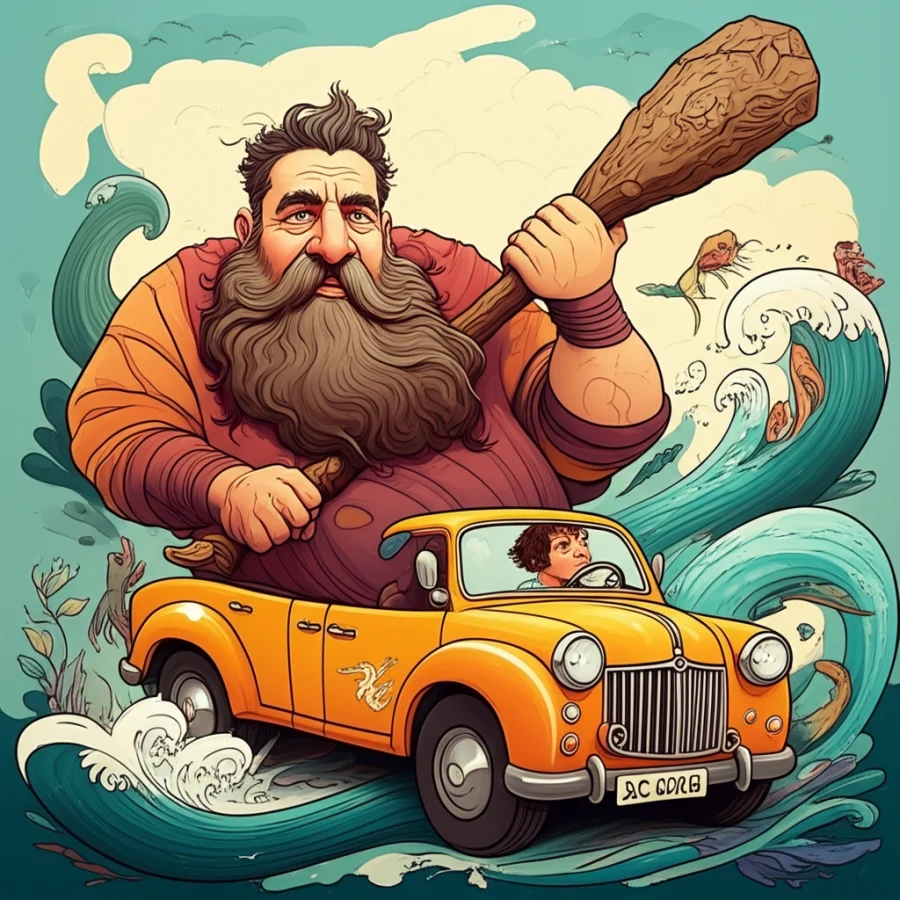
Manannán mac Lir, in these ancient tales, is not a god to be worshipped in the conventional sense, but a potent embodiment of the sea itself. He is often depicted as a sovereign of the Otherworld, a realm of spirits and magic that lay just beyond the veil of mortal perception. His attributes are inextricably linked to the ocean’s duality: its life-giving abundance and its treacherous depths, its calm beauty and its tempestuous fury. He is the master of mists that shroud the coastlines, the keeper of enchanted islands, and the wielder of magical artifacts that can bestow fortune or oblivion. His presence is felt in the salt spray on the wind, the roar of the waves, and the unfathomable secrets hidden beneath the surface.
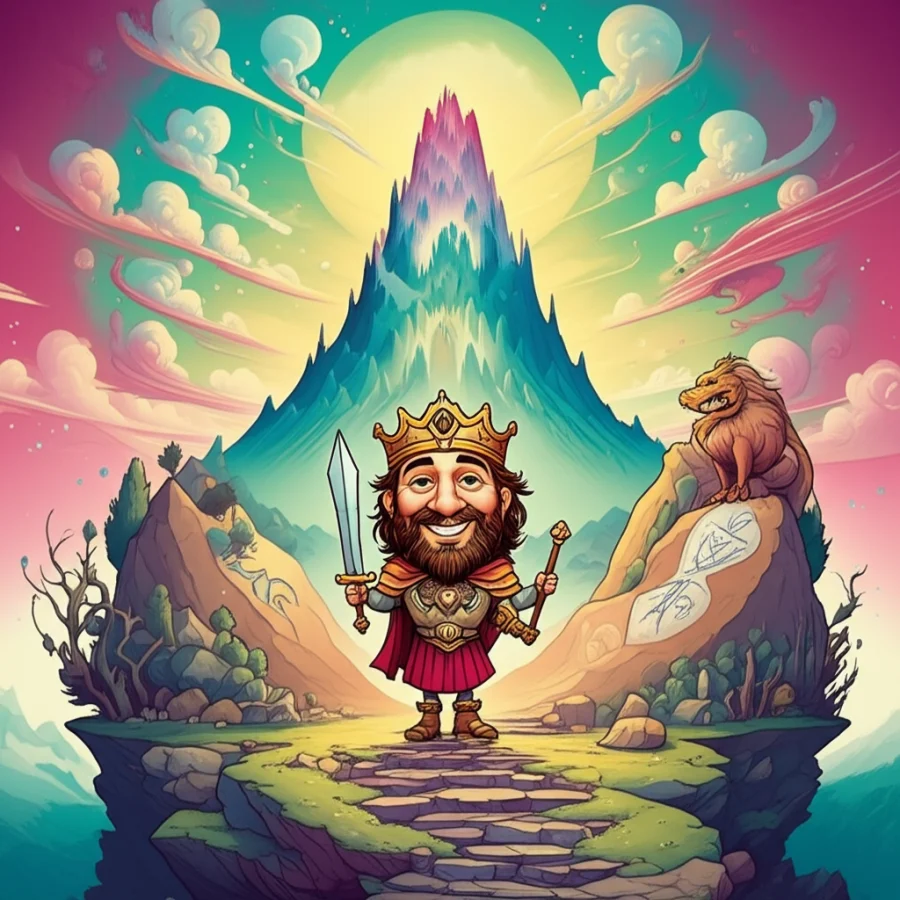
Central to the lore surrounding Manannán mac Lir is the Stone of Fal, a legendary artifact whispered about in sagas and epics. The narrative of the Stone of Fal often intertwines with the concept of kingship and destiny in ancient Ireland. It is said to have been one of four sacred stones that prophesied the coming of a true High King of Ireland. When a rightful ruler would approach, the Stone of Fal would let out a joyous cry, a resounding proclamation of their legitimacy and their divine right to rule. Conversely, if an impostor or an unworthy individual dared to stand before it, the stone would remain silent, a stark testament to their falseness.
Imagine, if you will, a windswept plain, the grey sky mirroring the tumultuous sea beyond. A lone figure, clad in the simple attire of a warrior or chieftain, stands before a massive, weathered stone. The air is thick with anticipation, the silence broken only by the distant cry of gulls. The people of the tribe, their faces etched with hope and anxiety, watch with bated breath. This stone, ancient and imposing, is not merely a geological formation; it is a sentinel, a judge, a silent oracle. As the figure steps forward, a tremor runs through the earth, and then, a sound – a deep, resonant hum that swells into a powerful, almost musical, cry. The Stone of Fal has spoken, its voice echoing the approval of the unseen forces that governed their lives. This was the power attributed to the Stone of Fal, a tangible representation of divine endorsement for leadership.
The symbolism embedded within the Stone of Fal and its association with Manannán mac Lir is multifaceted. The stone itself, a solid, unyielding entity, can be seen as representing permanence, truth, and the very bedrock of the land. Its ability to cry out suggests a connection to a higher authority, a cosmic approval that validated the chosen leader. Manannán mac Lir, as the sea deity, further imbues the legend with themes of the vast, uncontrollable forces of nature, the mysteries of fate, and the ultimate sovereignty of the elements. The stone’s pronouncements might have also served as a cautionary tale, reminding aspiring leaders of the importance of justice, integrity, and the approval of something greater than themselves. It represented the ancient desire for order and legitimacy in a world often characterized by conflict and uncertainty.
In the modern world, the echoes of the Stone of Fal and the legends of Manannán mac Lir continue to resonate. These ancient myths serve as a rich source of inspiration for contemporary literature, film, and video games, often reinterpreted through a fantastical lens. Characters bearing striking resemblances to Manannán mac Lir, embodying the power and mystery of the sea, frequently appear in fantasy narratives. The concept of prophetic artifacts, akin to the Stone of Fal, remains a popular trope, symbolizing destiny, destiny, and the quest for rightful authority. Furthermore, cultural studies scholars delve into these myths to understand the worldview, societal structures, and spiritual beliefs of ancient Celtic peoples, offering valuable insights into the human need to interpret and explain the world around them.
It is crucial to reiterate that the Stone of Fal and the tales of Manannán mac Lir are traditional stories, products of the rich cultural heritage and vivid imagination of ancient peoples. As Muslims, we recognize that the true Creator and Sustainer of all existence is Allah, Glorified and Exalted is He. These narratives, while fascinating from a historical and cultural perspective, do not hold any divine truth or authority.
The enduring power of such myths lies not in their literal truth, but in their ability to illuminate the human condition, our innate curiosity about the unknown, and our enduring capacity for storytelling. The Stone of Fal, with its cry of affirmation, and Manannán mac Lir, with his dominion over the boundless sea, are testaments to the ancient human impulse to imbue the world with meaning, to seek order in chaos, and to forge narratives that connect us to our past and to the vast, imaginative tapestry of human culture. These stories, passed down through generations, continue to captivate our minds, reminding us of the enduring power of imagination and the rich legacy of human heritage.